By Kuda Pembere
With Zimbabwe introducing several taxes over the years to mobilize resources for the health sector, calls are growing to ringfence these funds to ensure they are used for their intended purposes.
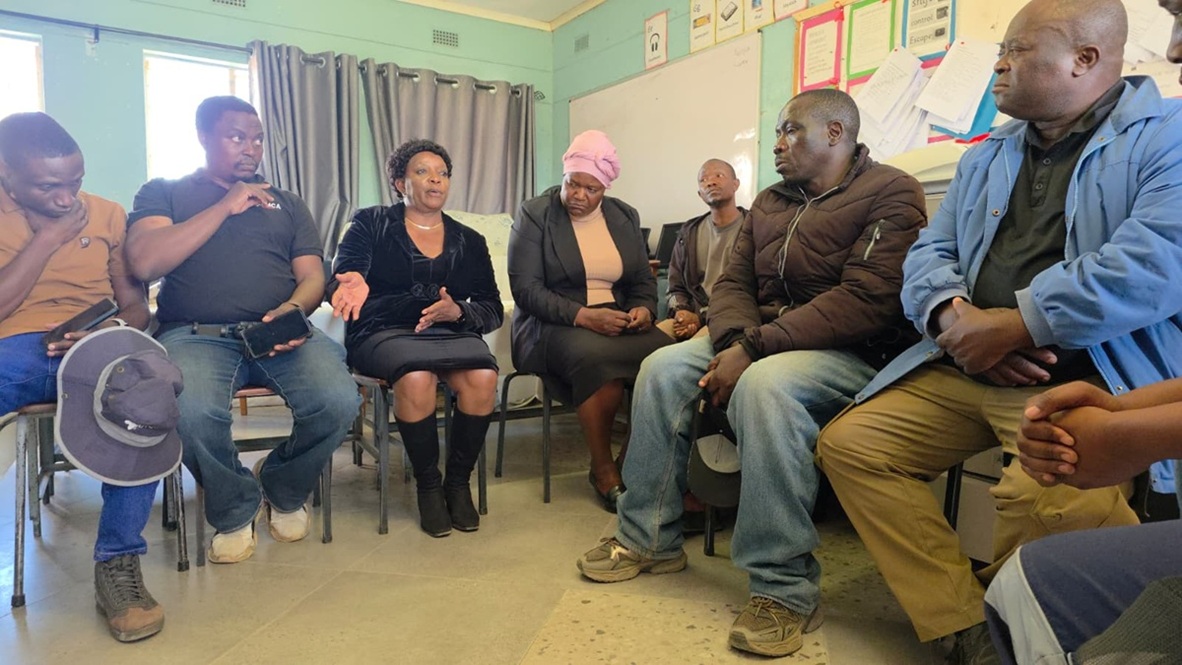
The recently introduced Fast Food Tax, aimed at tackling the rising burden of non-communicable diseases, follows the Sugar Tax, which was earmarked for cancer treatment. However, economists, parliamentarians, and other stakeholders at a Community Working Group on Health (CWGH) meeting on health financing held Friday have expressed concern that the Sugar Tax proceeds are yet to be disbursed, even as the cancer burden continues to grow.
There is the AIDS levy introduced in 1999 for the fight against HIV. The country also has various sin taxes around alcohol and cigarettes that are also targeting the health sector. Zimbabwe also has Health Fund Levy on airtime and mobile data, officially introduced in 2017.
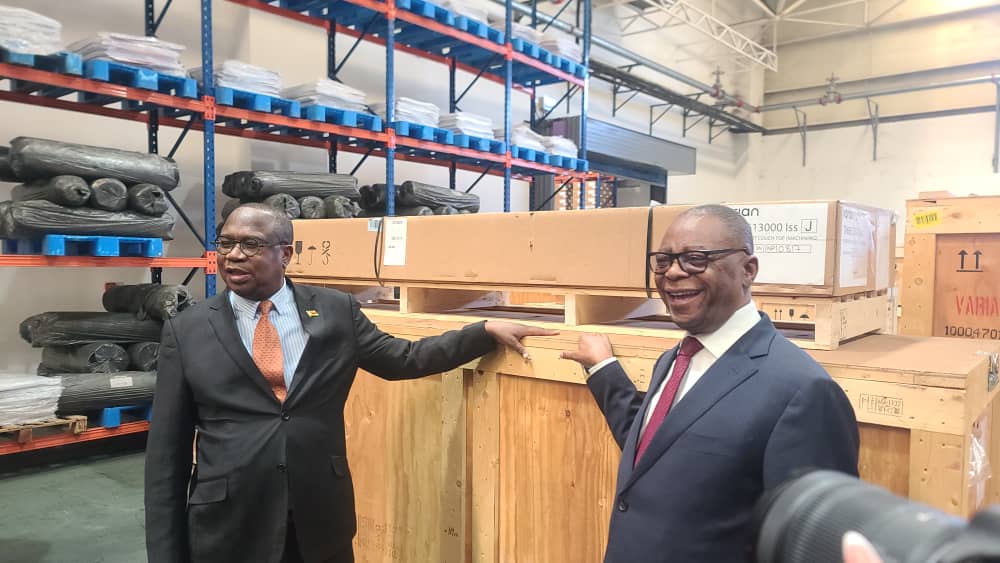
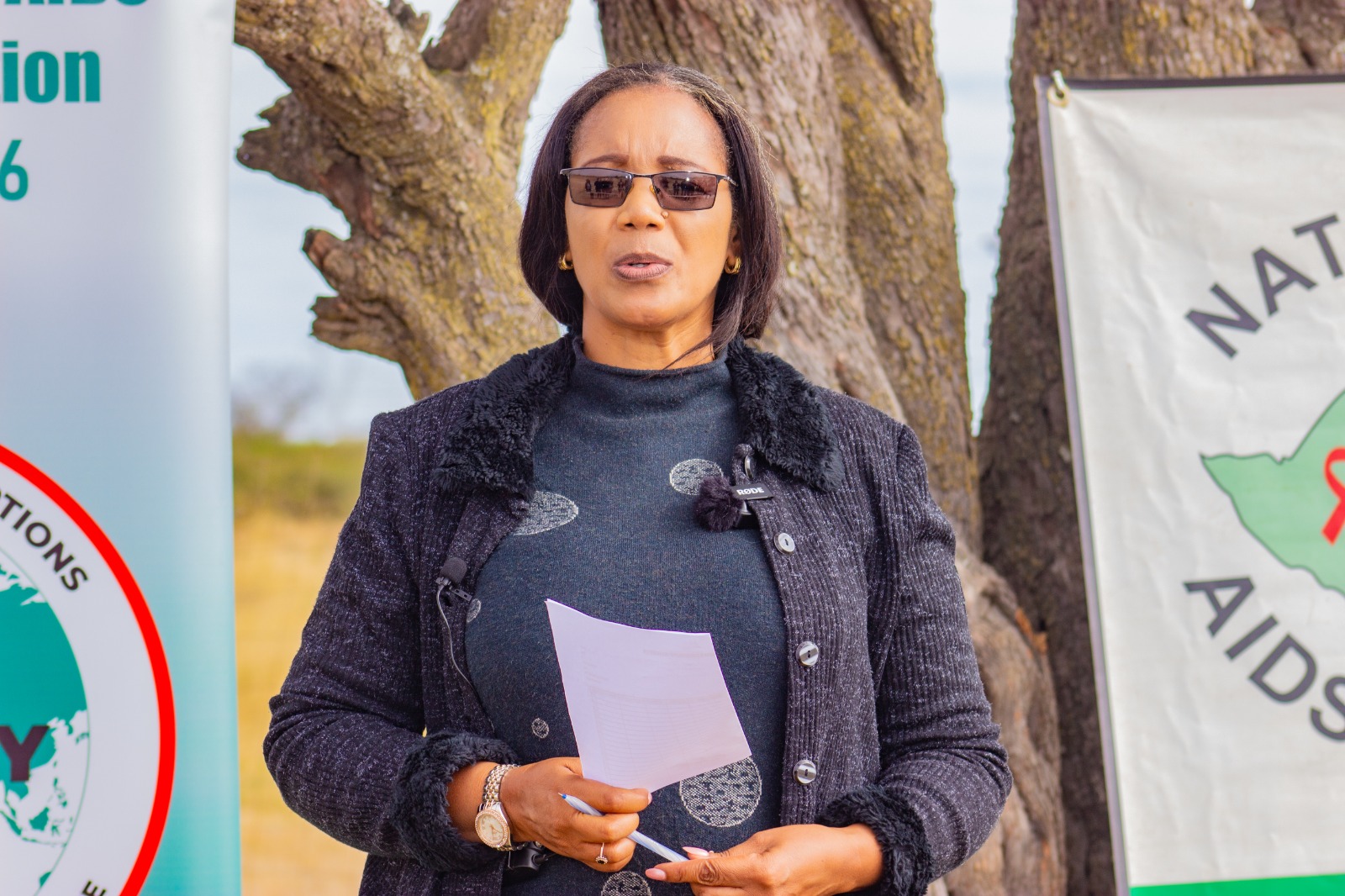
Speaking to HealthTimes on the sidelines of the workshop, Budiriro North Member of Parliament and Parliamentary Portfolio Committee on Health member Susan Matsunga said there has been a disappointing silence over the procurement of cancer machines, which was widely cited as the purpose of the Sugar Tax.
“As we understand, the Sugar Tax is supposed to fund cancer machines and medication. As we commemorate Breast Cancer Awareness Month, we are not seeing anything happening in terms of buying the machines,” she said. “As a policymaker and MP, I believe we must push for a law to shield earmarked taxes such as the Sugar Tax, Airtime Levy, Fast Food Tax, and Sin Tax from being abused and for them to be used for intended purposes.”
CWGH Executive Director Itai Rusike said it was crucial to trace and track how funds from earmarked taxes are being used.
“It’s also an opportunity for us to review and reflect on the various earmarked health taxes, given that the national health budget is not sufficient to address all the population’s health needs,” he said
. “The country has come up with different health financing strategies, including earmarked taxes such as the Sugar Tax, Airtime Tax, and Fast Food Tax, to mobilize additional resources. But for us as stakeholders, it’s important to examine whether these taxes are being used for their intended purposes, and whether their management ensures transparency and accountability.”
Development economist Prosper Chitambara said nothing has been done with the US$60 million generated from the Sugar Tax.
“The figures show that to date we have raised almost US$60 million through the Sugar Tax, which is quite significant, but unfortunately the funds have not yet been disbursed for the procurement of cancer treatment equipment. That’s a major challenge,” he said.
Chitambara suggested that Zimbabwe could learn from the National AIDS Council Trust Fund, which is legally ringfenced to prevent fund diversion.