By Michael Gwarisa
Members of Parliament from both the Finance and Health portfolio committees are pushing for amendments to the proposed Finance Bill in a bid to ring-fence multiple taxes introduced over the past few years to support Zimbabwe’s healthcare sector.
Lawmakers argue that while several health-related levies have been introduced, the absence of enabling legislation has meant that the funds do not flow directly to the Ministry of Health and Child Care. Instead, the money is absorbed into the Consolidated Revenue Fund, delaying or denying access to the intended beneficiaries. Parliament now wants amendments to the Finance Act to ensure that the revenue is swiftly and directly channelled to the health ministry.
If approved, the amendments would see the Ministry of Health and Child Care (MoHCC) becoming the sole custodian of the taxes, a move lawmakers say would help prevent leakages and curb potential abuse of revenue collected through the levies.
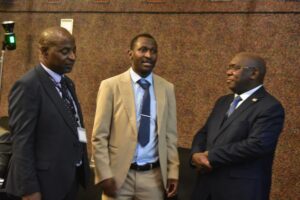
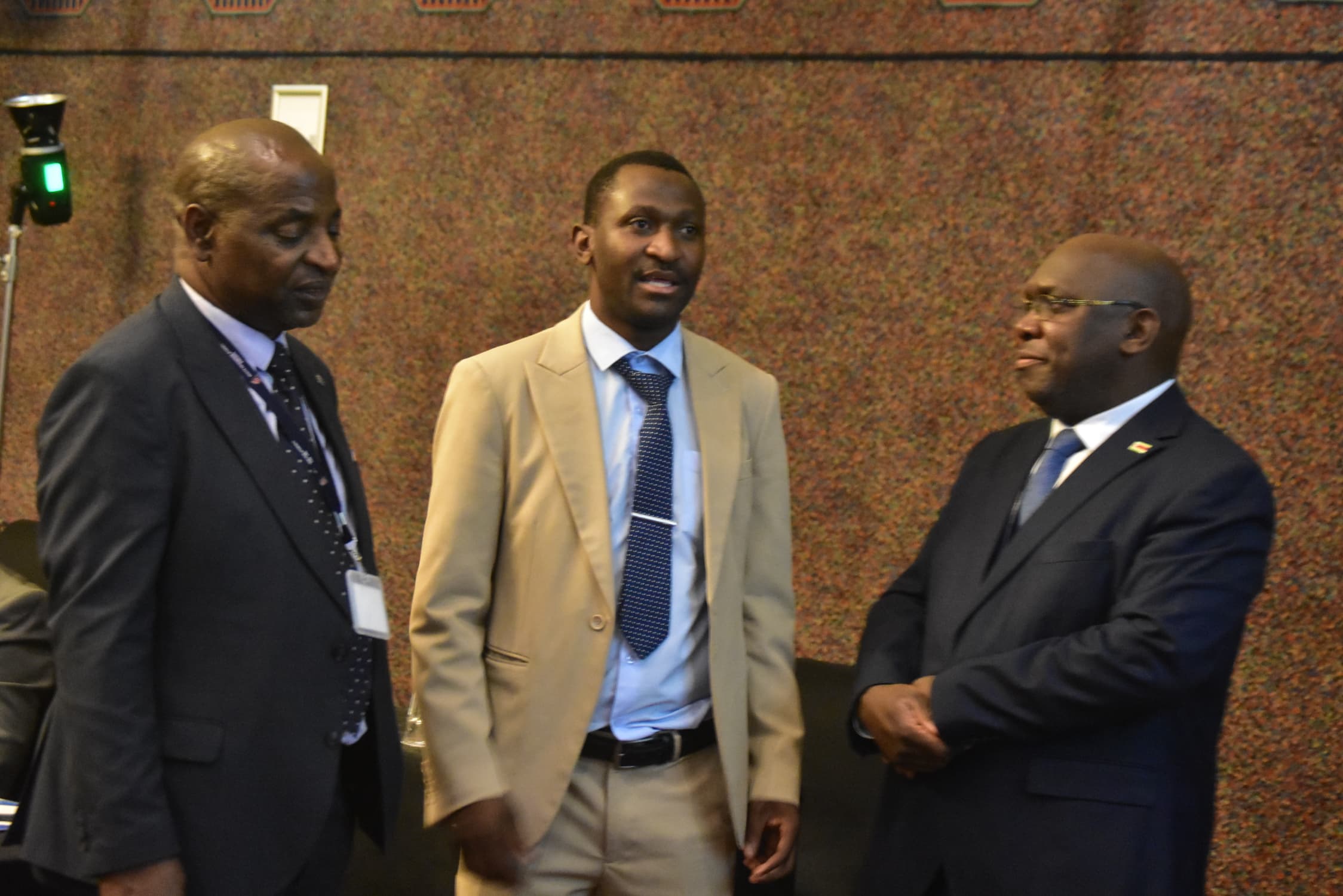
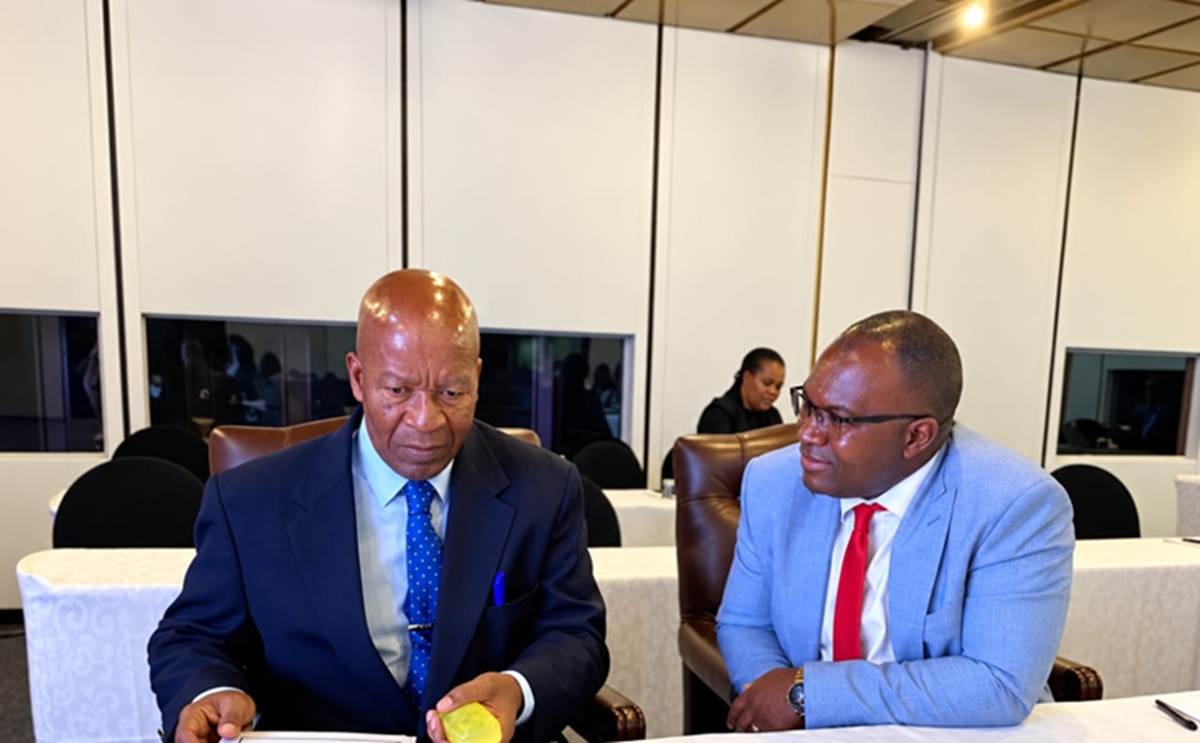
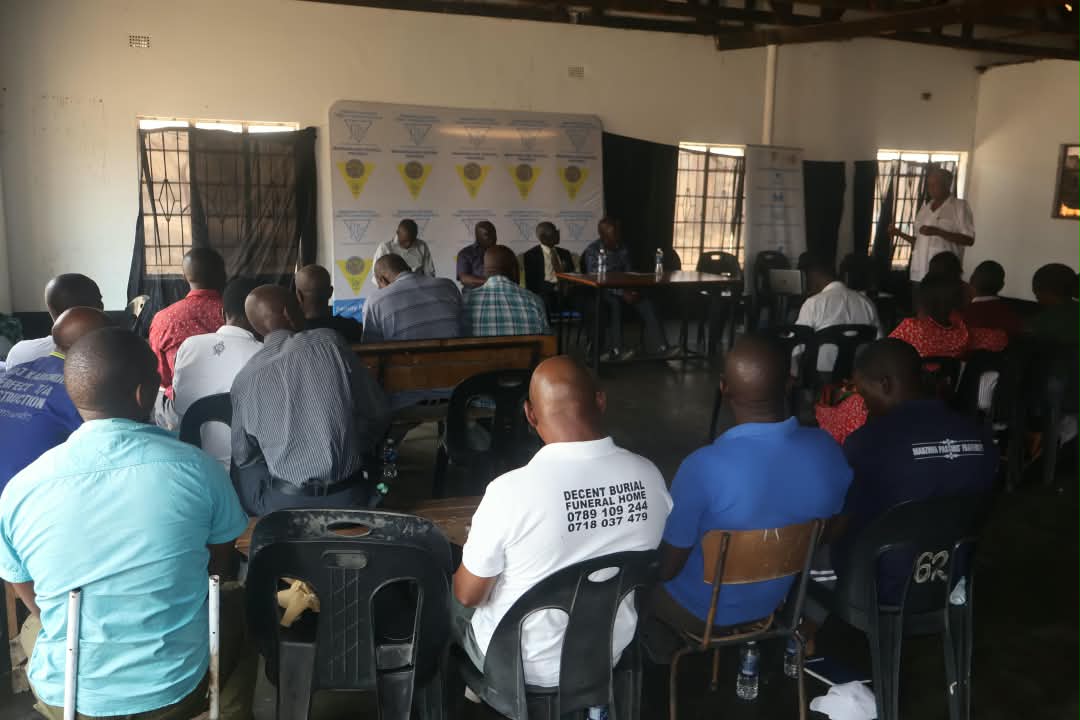
Speaking to HealthTimes on the sidelines of a Community Working Group on Health (CWGH) post-budget meeting in Harare, Finance Portfolio Committee member Honourable Edwin Mushoriwa said Parliament would soon engage the Ministry of Finance to fast-track the proposed amendments.
“What we are doing at the moment is to take advantage of the Finance Bill. As Parliament, we are going to push to ensure that all these levies quickly go to the Ministry of Health, because we believe it is important that the Ministry of Health becomes the custodian of those funds,” said Hon. Mushoriwa.
He also questioned the credibility of the government’s claim that health received a 15 percent allocation in the 2026 national budget.
“In our own calculations, we still believe that the amount allocated to the Ministry of Health falls short of the 15 percent target that was announced. The situation becomes even more concerning when you look at the historical trend, where over the past four to five years the ministry has received less than 60 percent of its allocated funds in actual cash releases,” he said.
“So if you apply that 60 percent average, you will realise that the ZWL$37 billion allocated to the Ministry of Health will likely translate to about ZWL$18 billion in real terms. That effectively brings the allocation down to between 6 and 9 percent, depending on the denominator used. In our view, the actual quantum of money reaching the health sector remains inadequate.”
Over the past few years, Treasury has introduced several levies aimed at supporting Zimbabwe’s struggling healthcare system, including the Airtime health levy, the Sugar Tax and the Fast Food Tax. However, concerns have been raised over the lack of safeguards around these funds, leaving them vulnerable to misuse and diversion from their intended purposes.
Kwekwe Central Member of Parliament and Health Portfolio Committee member, Honourable Judith Tobaiwa, said funds allocated through the national budget must be disbursed to the Ministry of Health and Child Care on time if they are to make a real impact.
“The Minister of Finance announced that we have met the Abuja target of 15 percent. What we now need to ensure is that this 15 percent is actually disbursed to the Ministry of Health on time. These funds must reach the health sector and be used for their intended purpose. It does not make sense to attain 15 percent on paper while failing to put that money to use,” she said.
By November 2025, slightly less than 50 percent of the approved budget had been disbursed to the Ministry of Health and Child Care, raising concerns about the government’s commitment to translating budgetary promises into tangible support for the health system.
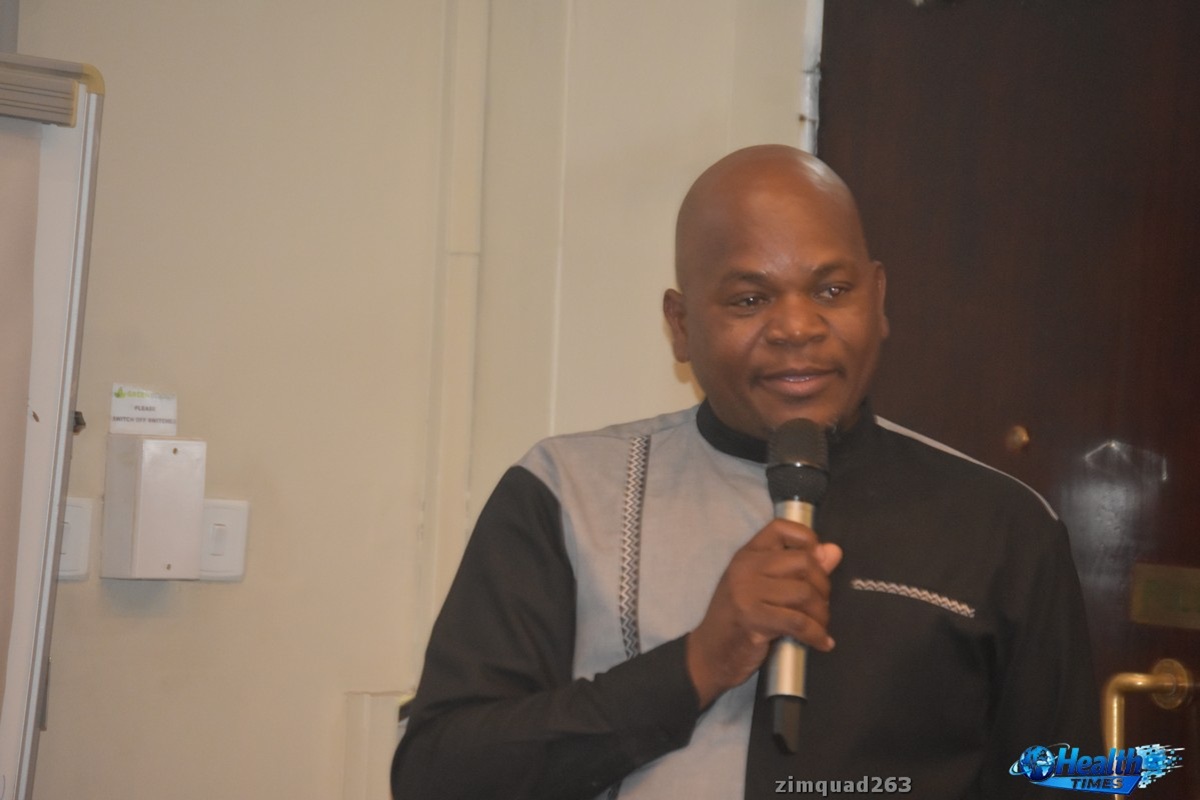
Meanwhile, Community Working Group on Health (CWGH) Executive Director, Mr Itai Rusike, said delays in disbursement were setting a worrying precedent and needed urgent correction.
“Most of us are more concerned about the actual disbursement of funds to the healthcare sector. We are hoping that as we move into 2026, the Minister of Finance will accord health the same level of priority given to other ministries. If you look at ministries such as Transport, Agriculture, and the Office of the President, they have consistently received more than their allocated amounts,” said Mr Rusike.