
Kuda Pembere
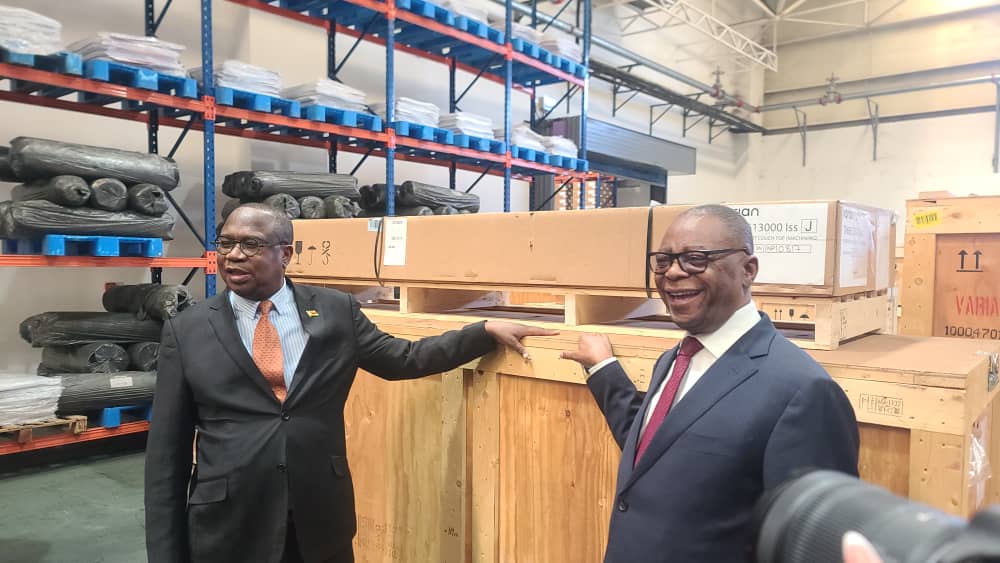
The first consignment of cancer treatment machines procured using funds raised through the Sugar Tax is currently in Durban and en route to Zimbabwe, with authorities expecting the equipment to arrive in the country within the first quarter of the year.
The machines were acquired using part of the over-US$60 million raised from the Sugar Tax introduced in the 2024 National Budget. According to the Ministry of Finance, Economic Development and Investment Promotion’s 2026 Zimbabwe Infrastructure Investment Programme released in November last year, Treasury has so far paid US$5.3 million towards the equipment.
Once delivered, the machines will be installed at Parirenyatwa Group of Hospitals in Harare and Mpilo Central Hospital in Bulawayo.
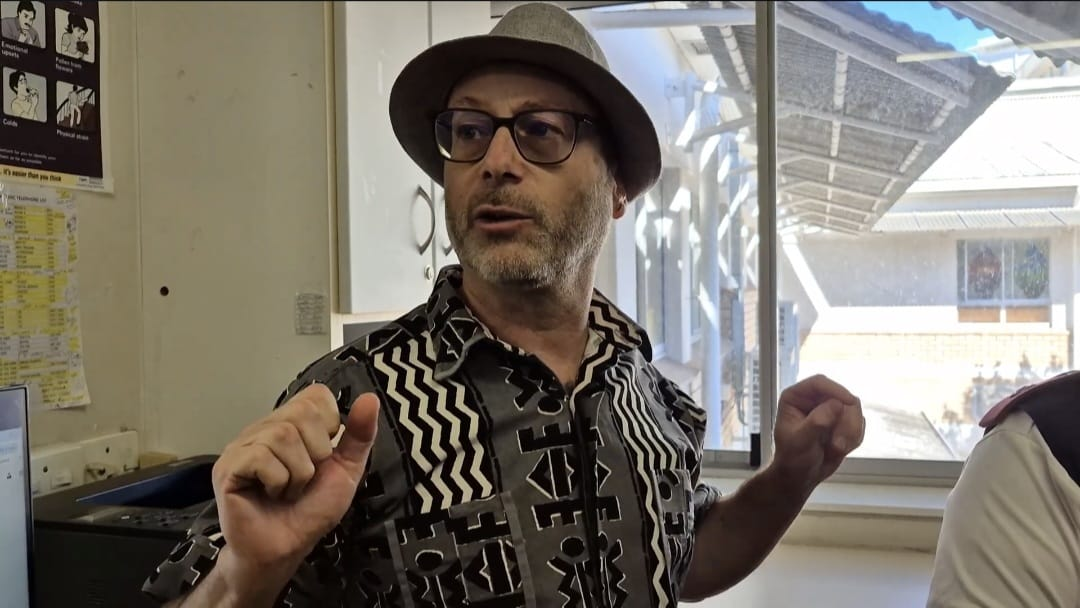
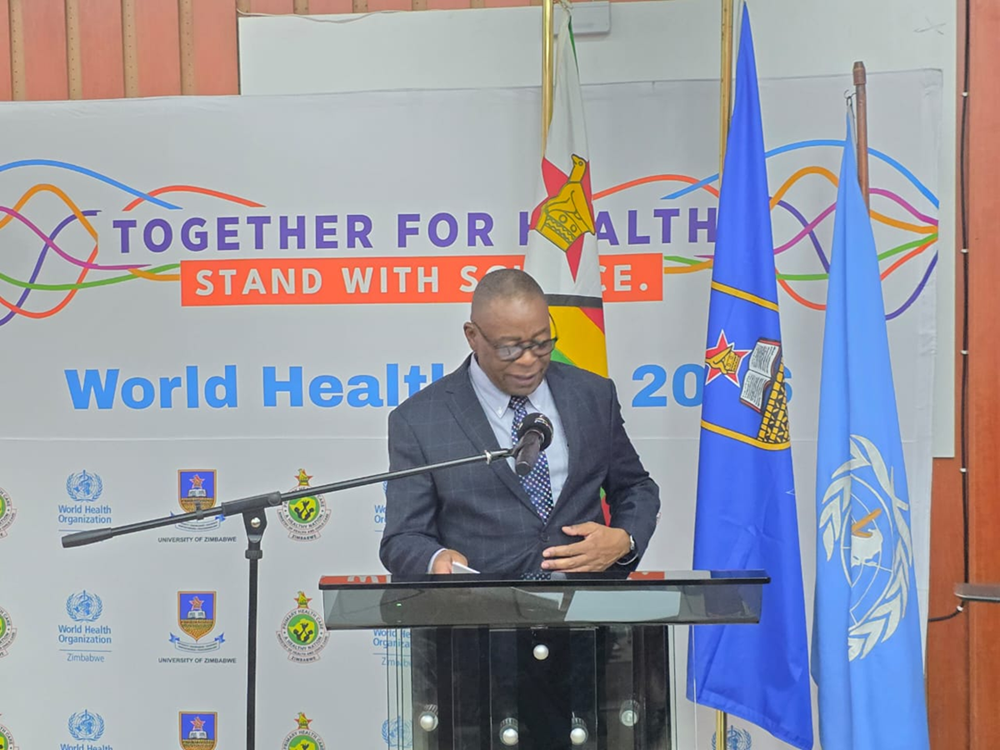
Responding to a question from HealthTimes on Monday during a tour assessing refurbishment works at Adlam House and Mbuya Nehanda Maternity Hospital, Health and Child Care Minister Dr Douglas Mombeshora confirmed that the equipment has already been manufactured.
The Minister was accompanied during the tour by Finance, Economic Development and Investment Promotion Permanent Secretary George Guvamatanga, Health and Child Care Permanent Secretary Dr Aspect Maunganidze, Parirenyatwa Group of Hospitals management and staff, and other senior government officials. Representatives from Prevail Group, the contractor responsible for the refurbishment of Adlam House and Mbuya Nehanda Maternity Hospital, were also present.
“We are putting in new equipment, and that equipment has been manufactured. Part of the first consignment is already in Durban, on its way to here, Parirenyatwa,” Dr Mombeshora said. “And the second tranche of equipment, we are hoping, we just received the news that it has been manufactured, and we are going to send a team for pre-shipment inspection.”
He said existing cancer machines at Mpilo Central Hospital will be decommissioned and relocated to Gweru Provincial Hospital as part of a broader plan to decentralise cancer treatment services.
“So, I think everything is in order. Already, we are looking at decommissioning the equipment at Mpilo and relocating it at Gweru Provincial Hospital. So it is also a work in progress,” he said.
“We are working on the final modality so that when the new equipment arrives, there is already space created for it to be there. So we are actually creating a new cancer treatment centre in Gweru,” Minister Mombeshora added. “So for Parirenyatwa, I think everything is in place.”
The Health Minister also said refurbishment of radiation bunkers is underway to ensure they meet the technical and safety requirements of the new cancer treatment machines.
“We are just waiting for the arrival of the equipment and refurbishing of the bunkers so that we also have something that looks to match the new equipment and the new look of the hospital that is being created here,” he said.
Once completed, the expansion will increase the number of radiotherapy sites in Zimbabwe from two to four. Authorities say this is expected to ease pressure on existing facilities, shorten waiting times and bring lifesaving cancer treatment closer to patients in different parts of the country.
Last year, speaking to journalists, Minister Mombeshora said the older cancer treatment machine at Parirenyatwa would either be relocated to Chinhoyi Provincial Hospital or Masvingo Provincial Hospital, with Masvingo receiving strong consideration due to its emerging medical school.
“The next phase will also be the decommissioning of the equipment at Parirenyatwa, and we plan to either put it in Chinhoyi hospital or in Masvingo,” he said.
“But I was suggesting that we put it in Masvingo since there is a new medical school that is coming up there, maybe to help in training . . .”