By Michael Gwarisa
The World Health Organization (WHO) is preparing to expand its PEN-Plus programme to 30 African countries beginning this year as governments, health experts and development partners gather momentum to tackle the continent’s growing burden of non-communicable diseases (NCDs).
The planned expansion comes ahead of the 3rd International Conference on PEN-Plus in Africa (ICPPA 2026) PEN-Plus in Africa (ICPPA), set for June 23 to 25 in Tanzania, where African leaders, policymakers and health stakeholders are expected to chart a coordinated response to severe non-communicable diseases that are increasingly placing pressure on health systems and household incomes.
PEN-Plus, short for Package of Essential Noncommunicable Disease Interventions Plus, is a clinical healthcare strategy designed to expand lifesaving care for severe, chronic non-communicable diseases in underserved and rural communities. The model focuses on decentralising specialised services and bringing diagnosis, treatment and long-term management closer to primary and district level health facilities.
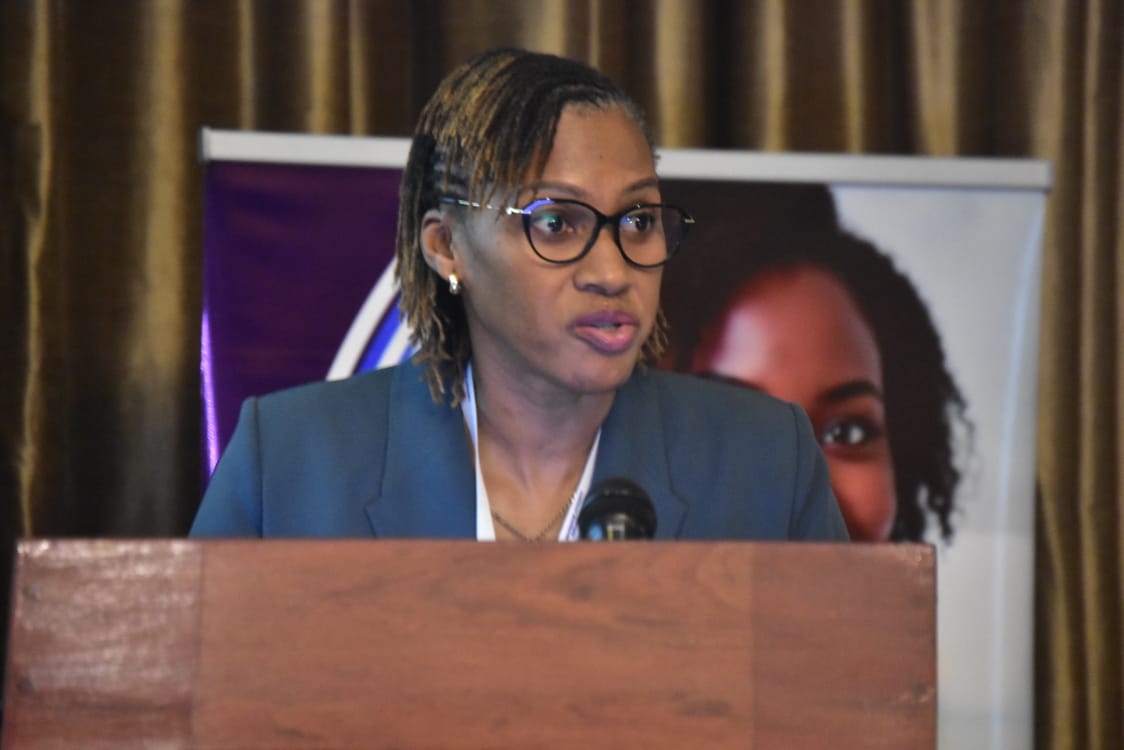
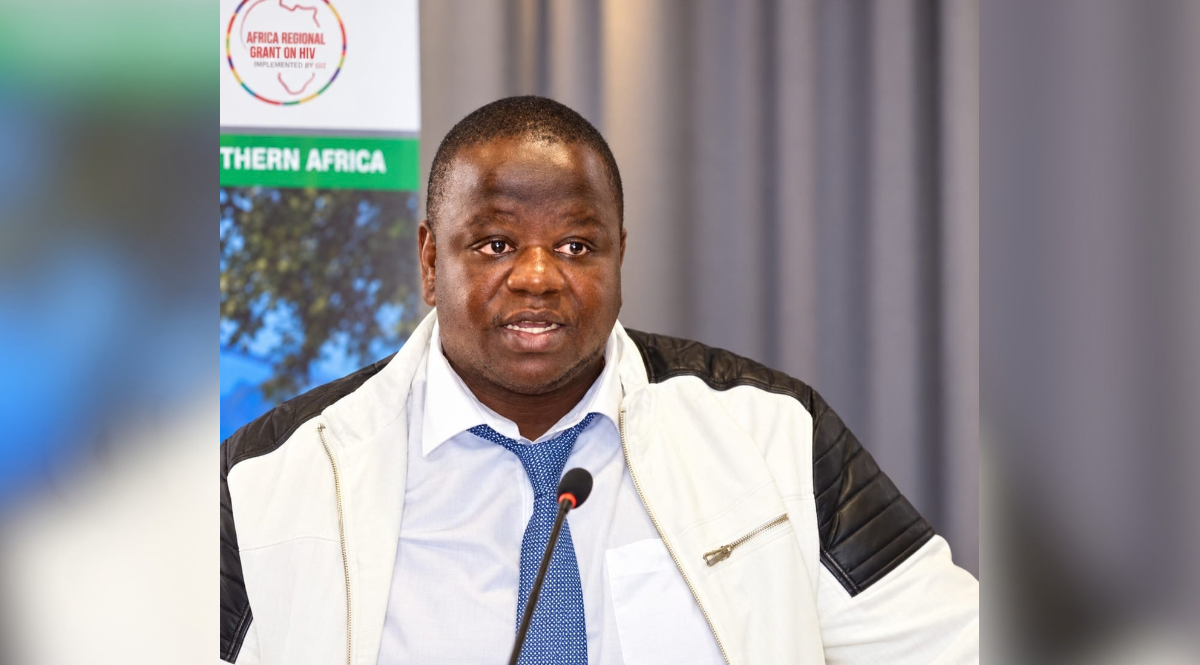
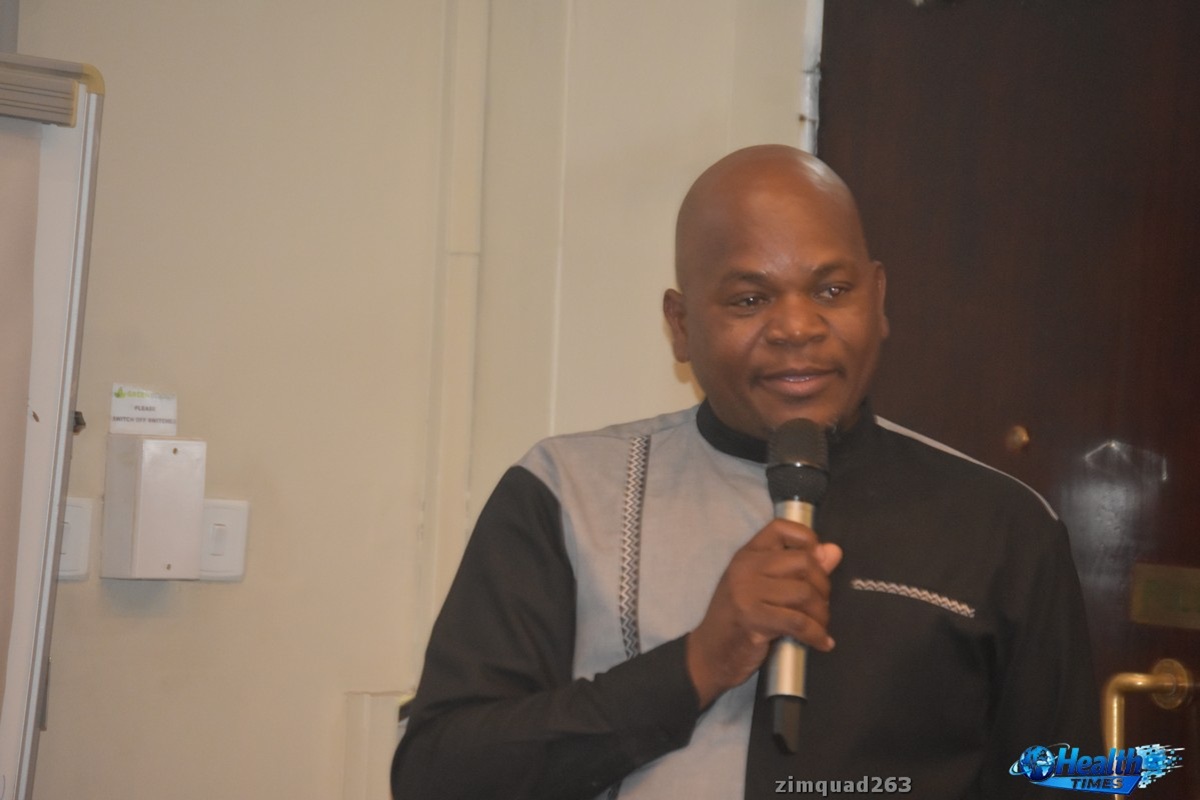
Speaking during a media briefing ahead of the conference, Dr Kofi Nyarko, Team Lead for Noncommunicable Diseases at WHO African Region, said the organisation intends to increase support from the current 20 countries to 30 countries as part of efforts to improve access to care and accelerate implementation of the PEN-Plus strategy.
“We have some resources to add 10 more countries so that we are going to have 30 supported by WHO,” Nyarko said.
He said the expansion is intended to strengthen access to services, particularly at primary healthcare level where many vulnerable populations struggle to access diagnosis and treatment for severe chronic illnesses.
Nyarko noted that the move comes at a critical time for the continent.
“As is projected, by 2030, NCDs are going to be the leading cause of death over infectious diseases, maternal and child health,” he said.
According to WHO, Africa continues to face a double burden of disease, with countries still responding to infectious diseases while simultaneously confronting a steady increase in conditions such as cardiovascular diseases, diabetes, cancers, chronic respiratory diseases and sickle cell disease.
Nyarko said these conditions are not only stretching already pressured health systems but are also exposing families to catastrophic out-of-pocket health spending.
He pointed to encouraging progress in countries already implementing PEN-Plus, saying Rwanda has achieved full national coverage while Malawi has exceeded 50 percent coverage, demonstrating that decentralised care models can improve access to treatment.
WHO hopes to eventually extend support to all 47 countries in the African region through additional resource mobilisation and stronger government commitment.
The conference will also place significant focus on equity and ensuring that care reaches populations often left behind.
Dr Ana Mocumbi, Co-Chair of the NCDI Poverty Network, said the partnership was established to shift the global conversation on NCDs by prioritising the poorest and most vulnerable communities.
“The most important objective is really shifting the agenda on non-communicable diseases globally by supporting and reinforcing equity through introduction and sustainment of models of care,” she said.
Mocumbi said poverty remains both a driver and consequence of chronic illness, creating barriers to diagnosis, treatment and long-term disease management.
She said the network’s work has largely been informed by findings from the Lancet Commission on NCDs among the world’s poorest populations, which identified conditions that disproportionately affect children and young adults.
The initiative has prioritised severe conditions including Type 1 diabetes, sickle cell disease and heart failure in children caused by congenital and rheumatic heart disease.
Mocumbi said more than 26 countries are now implementing or preparing to adopt the model at different stages and welcomed WHO’s endorsement of PEN-Plus as a regional strategy.
She said national expansion models already underway in countries such as Rwanda and Malawi demonstrate that governments can integrate severe NCD services into broader health systems.
As delegates prepare to travel to Tanzania for the conference, organisers also sought to reassure participants on health preparedness and conference readiness.
Dr Julieth Kabengula, Manager for the Noncommunicable Diseases Programme at Tanzania’s Ministry of Health, said systems are in place to protect delegates and ensure uninterrupted participation.
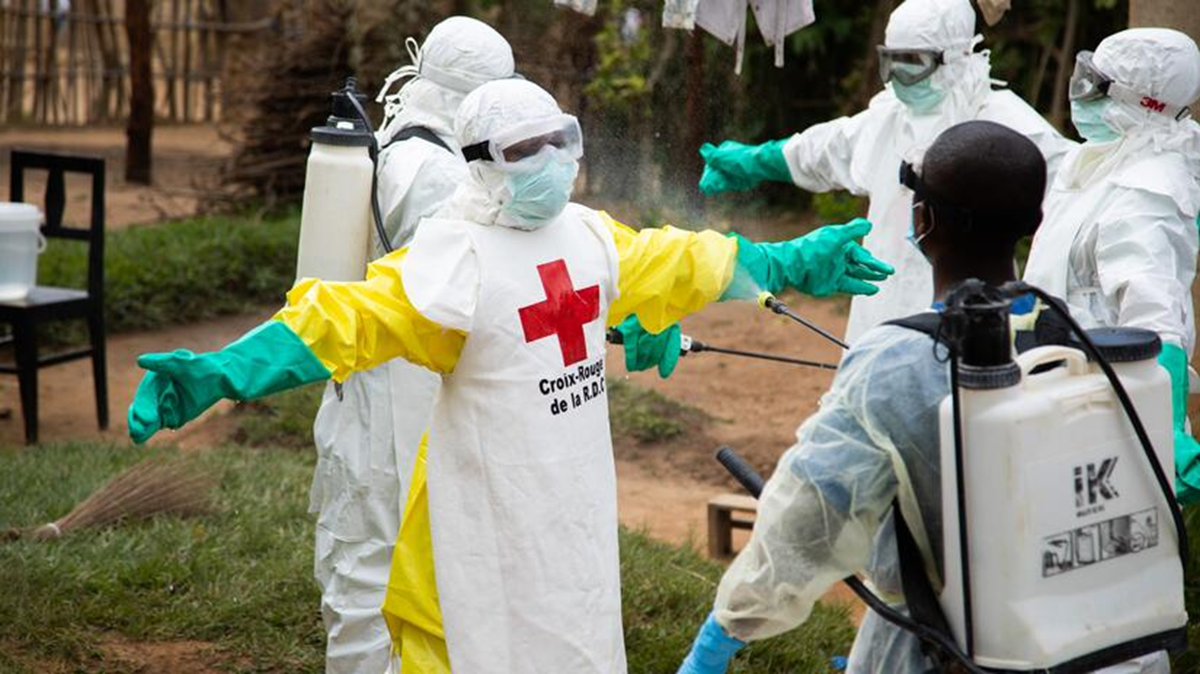
Responding to concerns raised during the briefing regarding regional disease outbreaks such as the Bundibugyo Ebola outbreak in in DRC dn Uganda, she said Tanzania had strengthened screening and surveillance measures across all entry points.
“There are case identification and screening measures across our borders, airports and all country entry points,” Kabengula said.
She added that infection prevention and control systems would also be active at the conference venue, supported by emergency response structures and the required commodities.
“Be assured, in Tanzania, you will be taken care of and you will go back safe,” she said.
Beyond hosting the event, Kabengula said Tanzania hopes to showcase lessons from its decentralised NCD response, including community-based screening, referral systems and multisectoral action that brings together sectors such as education, transport and agriculture.
She also highlighted Tanzania’s recently launched Know Your Number campaign, which encourages citizens to monitor indicators such as blood pressure, cholesterol and waist measurements to support early detection and reduce complications.