Kuda Pembere
Zimbabwe’s newly acquired cancer treatment machines are expected to significantly reduce a radiotherapy backlog affecting more than 800 patients, Health and Child Care Minister Dr Douglas Mombeshora has said.
The advanced radiotherapy equipment, procured using revenue generated through the Sugar Content Tax, is being installed at Parirenyatwa Group of Hospitals in Harare and Mpilo Central Hospital in Bulawayo as part of the Government’s drive to modernise cancer care services.
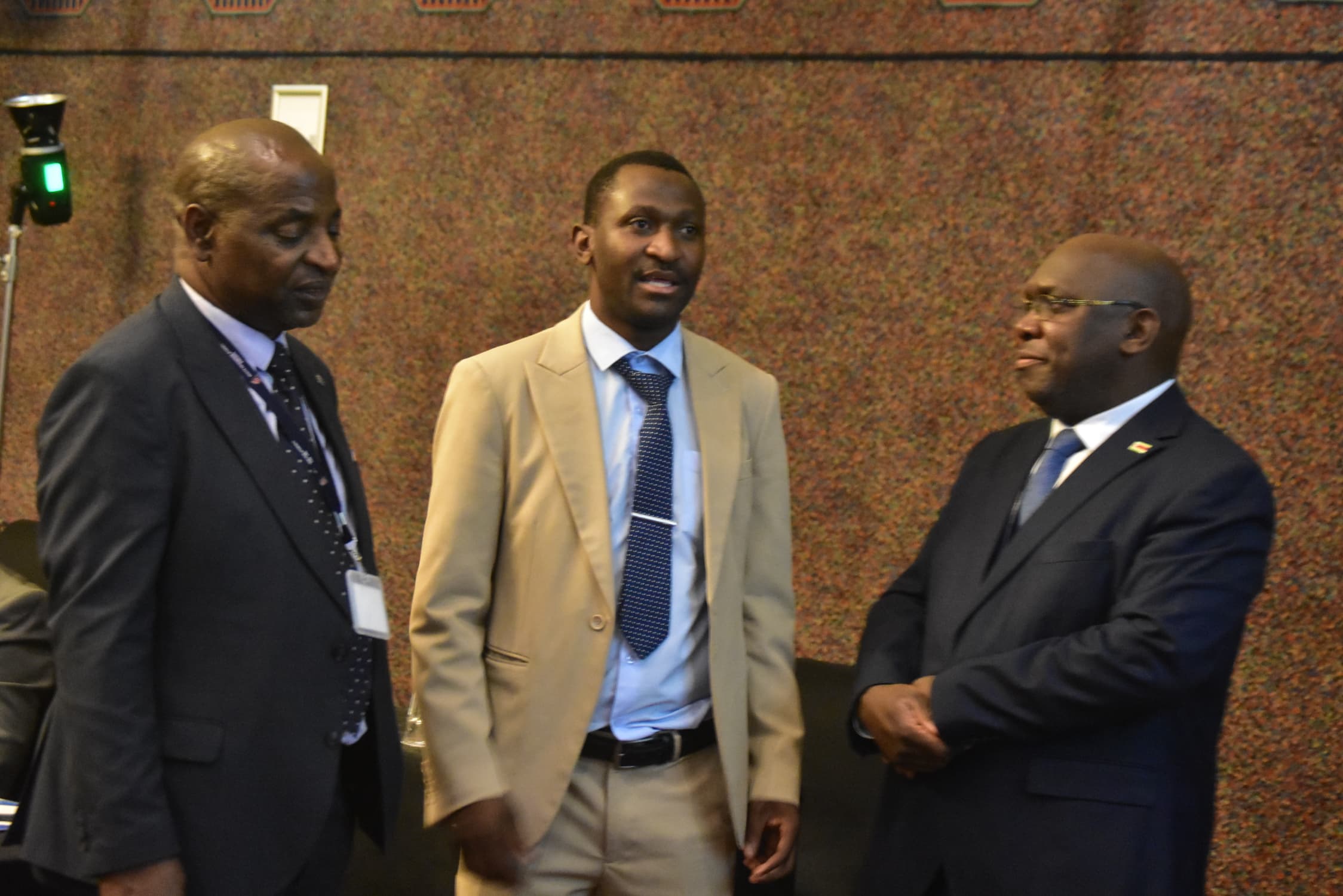
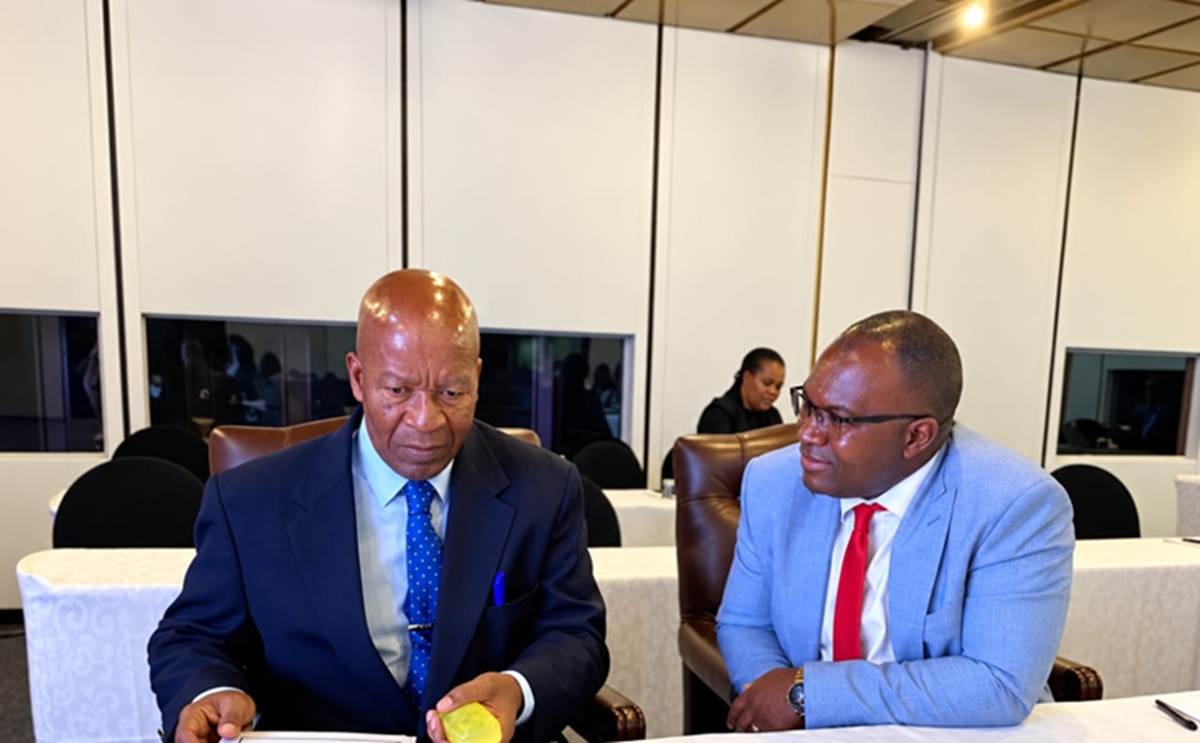
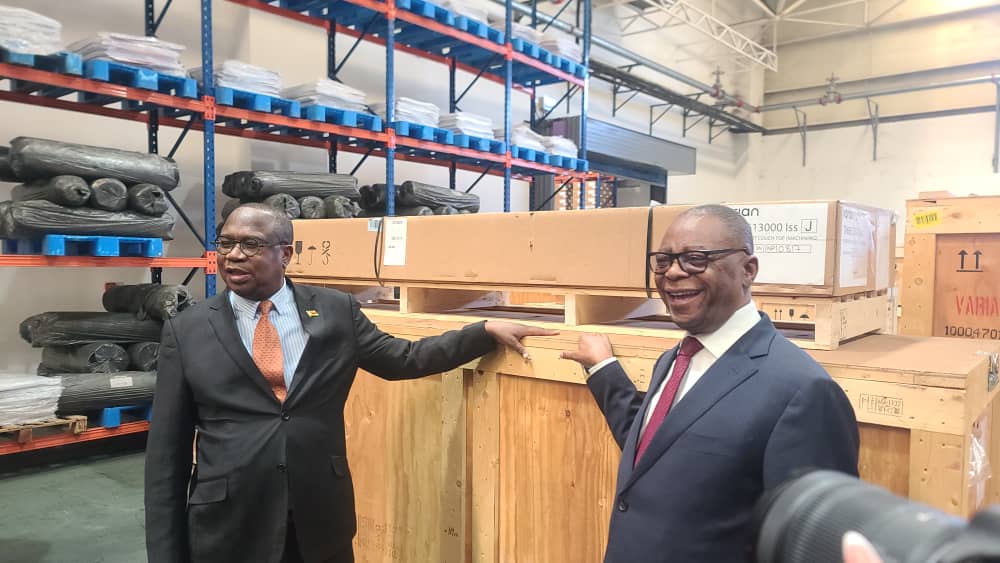
Speaking at the National Pharmaceutical Company (NatPharm) warehouse following the arrival of a high-energy radiotherapy machine, Dr Mombeshora said the equipment would dramatically boost the country’s capacity to treat cancer patients.
“We have a backlog of over 800 patients waiting to be treated. It is quite a significant number, but when these machines are put into operation, we hope to be covering about 150 patients a day,” he said.
“Those will include both patients who are already on the waiting list and new patients. It will take a few months to clear the backlog, but we expect to make substantial progress.”
The latest consignment includes a high-energy linear accelerator destined for Parirenyatwa Group of Hospitals. A similar machine has already been delivered to Mpilo Central Hospital.
Dr Mombeshora said Zimbabwe was making a major leap in cancer treatment capacity after years of operating with limited radiotherapy infrastructure.
“We are leapfrogging from where we used to have one machine working at Parirenyatwa. These are modern machines with advanced software and improved treatment capabilities for our patients,” he said.
In addition to the radiotherapy units, the programme includes CT scanners used for treatment planning and specialised cooling systems required for the operation of the equipment.
“One CT scanner will go to Mpilo and another to Parirenyatwa to support treatment planning. We are also receiving chillers needed for the operation of the machines,” he said.
The minister added that the procurement contracts include maintenance and servicing arrangements designed to minimise downtime and ensure continuity of care.
“Our contracts have built-in service agreements, which means we do not expect the kind of prolonged breakdowns that affected cancer treatment services in the past,” he said.
Finance, Economic Development and Investment Promotion Minister Professor Mthuli Ncube said the equipment was funded through revenue generated by the sugar tax introduced on selected beverages.
“A couple of years ago we introduced a sugar content tax and we are pleased with the results. So far, about US$30 million has been invested in this cancer equipment programme,” he said.
The Government has collected approximately US$50 million through the tax, with the remaining funds earmarked for additional cancer-related investments.
“This programme is transforming cancer diagnosis, treatment planning and treatment itself. The next phase will focus on expanding diagnostic equipment to provincial hospitals and strengthening services across the country,” said Prof Ncube.
He added that part of the sugar tax revenue would also be directed towards procuring cancer medicines and training healthcare professionals to operate the sophisticated equipment.
“We also need to invest in training personnel who will operate these machines. Procuring equipment alone is not enough. We need skilled professionals to ensure patients receive quality care,” he said.
Zimbabwe has in recent years stepped up investment in specialised healthcare services as part of broader efforts to reduce referrals outside the country and improve access to life-saving treatment.