
By Michael Gwarisa
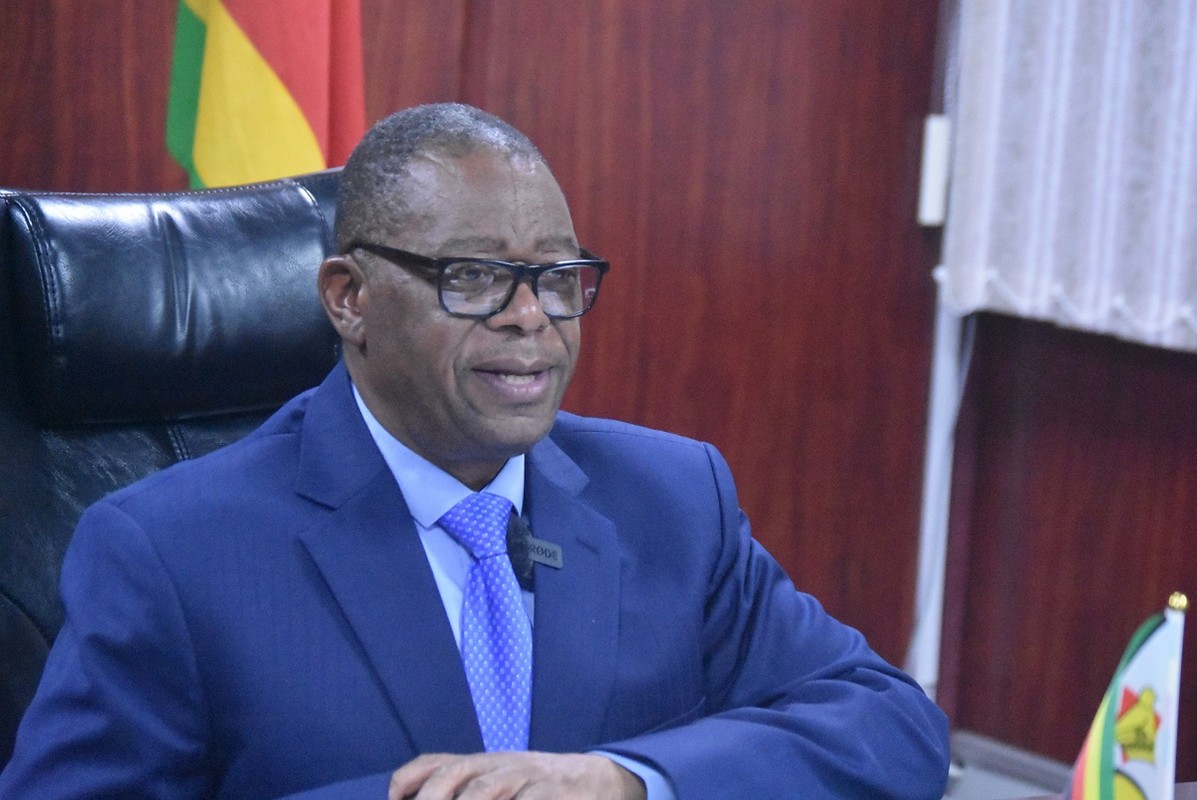
HARARE – Zimbabwe has abandoned plans to establish a National Health Insurance Scheme, opting instead for a National Healthcare Provision Programme, a new tax-funded model aimed at providing free healthcare services at public health institutions, Health and Child Care Minister Dr Douglas Mombeshora has announced.
Speaking while responding to questions during the National Validation Meeting for the Elimination of Mother-to-Child Transmission (EMTCT) in Harare on Thursday, Dr Mombeshora said the change followed legal advice from the Attorney General’s Office, which determined that the proposed model does not fit the legal definition of an insurance scheme.
The announcement represents a significant shift in Zimbabwe’s long-running efforts to establish a sustainable financing mechanism for universal health coverage and comes as government prepares legislation that will pave the way for its implementation.
“But the change of the name, before it starts, it means we are working on it. This has been advice from the Attorney General. This is not an insurance scheme,” Dr Mombeshora said.
He explained that unlike conventional health insurance, where individuals register with an insurer and make monthly premium contributions in exchange for defined benefits, the proposed programme would pool resources collected through government revenue streams to finance healthcare for everyone.
“An insurance scheme, you register with an organisation and you have your monthly contributions. That’s an insurance scheme. Now we have been advised to say National Healthcare Provision Programme,” he said.
Mombeshora said the programme seeks to ensure that every Zimbabwean citizen and resident can access healthcare services at public health institutions without paying out of pocket when they fall ill.
“What we proposed was a programme where every citizen and every resident of Zimbabwe can access health services in our public institution without paying for consultation, without paying for any investigation, without paying for treatment, without paying for admission fee,” he said.
He acknowledged that while healthcare would be free at the point of service, government would still need a sustainable way of financing the system.
“There is nothing that is free in this world. You say free to you because somebody has paid for it,” he said.
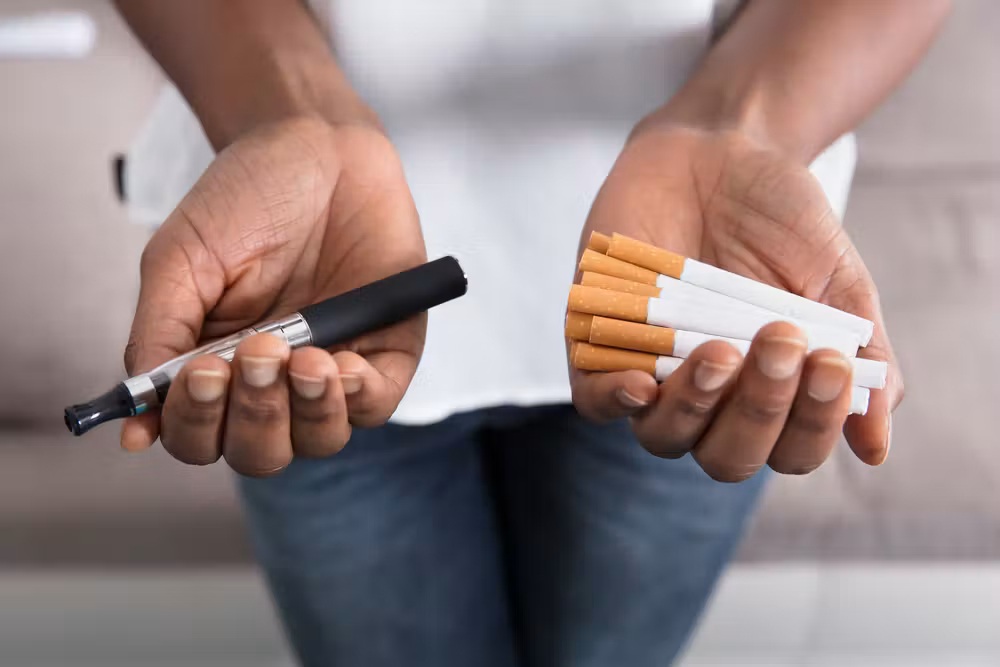
Under the proposed financing model, government intends to collect funds at the point of commercial transactions involving products associated with health risks, including alcohol, tobacco products and sugary drinks.
“So we said we want to collect money at the point of transaction. If we say we want to take X cents from the sale of beer, it means every Zimbabwean will contribute. Every drinker of alcohol will contribute,” Mombeshora said.
“Because the amount that we take from a pint is the same. So whether you are poor or rich, it depends on the number of pints. That’s your contribution.”
“If you are a smoker, we do the same. You drink a lot of sugar, we do the same. Soft drinks, that is good one to know where it’s consumed.”
He stressed that contributors would not be purchasing insurance or accumulating individual benefits linked to their payments.
“So it’s not an insurance because you are not insured. You have no claim where you can go and say I paid so much money and I will pay you to utilise that money. Therefore, we agreed to say it’s a National Healthcare Provision Programme.”
Mombeshora said the legislation underpinning the programme is now in its final stages after undergoing several rounds of drafting and legal review.
“So the name doesn’t matter. But what matters is what are we going to do. Now, this is a new thing and it has to have an Act of Parliament,” he said.
“We’ve had several drafts of the Bill reviewed. And the final document we have submitted to the Cabinet Committee on Legislation.”
He revealed that he was scheduled to present the proposed legislation to the Cabinet Committee on Legislation on Friday morning before it proceeds to Cabinet and subsequently Parliament.
“Tomorrow at 7.30, I’m going to be presenting in the Cabinet Committee on Legislation this National Healthcare Provision Programme. If it passes through, then it’s going to Cabinet and then to Parliament. That’s where we are.”
The announcement builds on earlier details provided by the Ministry of Health and Child Care on how the programme will be financed. Government health economist Chengetedzai Gota previously said the principles of the national health financing model had already been approved by Cabinet and that the fund would pool resources from multiple existing financing streams into a single account to pay for an essential package of health services.
Rather than introducing entirely new taxes, the programme is expected to draw from existing revenue sources, including portions of Value Added Tax (VAT), local authority contributions, earmarked levies, health bonds, mineral export taxes, diaspora remittances, state funding, community-based health insurance schemes, selected social security funds, the Assisted Medical Treatment Order (AMTO), contributions from voluntary organisations and investment returns generated by the fund itself.
“We are not saying there will be new taxes. No! Instead, we will take a proportion from existing taxes. For example, a portion of the Value Added Tax (VAT) will go to the programme. The same applies to remittances and bank charges. It’s not an additional burden on the people but a reallocation of existing funds pooled into the fund,” Gota said during an earlier stakeholder consultation.
He said the objective is to protect Zimbabweans from catastrophic healthcare expenditure by ensuring that people can seek treatment without suffering financial hardship.