By Michael Gwarisa
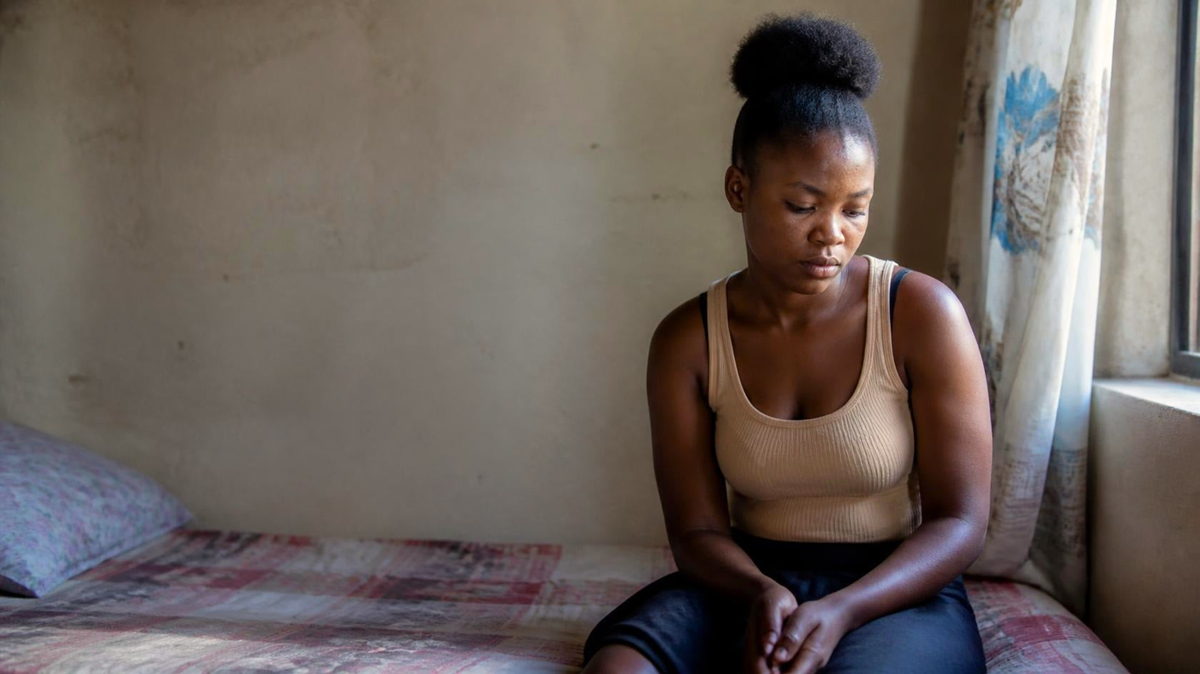
When a woman or girl becomes pregnant after rape, the questions can come quickly.
Can she legally terminate the pregnancy? Does she have to report the rape first? Does she need permission from her husband or parents? Can she simply go to a hospital? What happens if she waits too long?
In Zimbabwe, some of these questions have answers in law. Others are more complicated. And between what the law actually says and what people believe it says, survivors can find themselves navigating a maze of uncertainty.
After three blogs examining the experience of a survivor, Zimbabwe’s termination of pregnancy laws and the consequences of pregnancy following rape, it is worth separating some of the most common assumptions from what the evidence and the law actually tell us.
Myth 1: Abortion is completely illegal in Zimbabwe
It is not.
Zimbabwe’s Termination of Pregnancy Act [Chapter 15:10] prohibits termination outside the circumstances provided for by the Act. But it also specifies circumstances in which a pregnancy may lawfully be terminated.
These include circumstances where continuing the pregnancy poses a serious threat to the woman’s life or physical health, where there is a serious risk of a serious permanent physical or mental defect in the child, and where there is a reasonable possibility that the pregnancy resulted from unlawful intercourse.
The Act defines “unlawful intercourse” to include rape, other than rape within marriage, as well as certain prohibited sexual relationships.
So saying simply that “abortion is illegal in Zimbabwe” leaves out an important part of the law. But there is an equally important qualification. The fact that termination is lawful in specified circumstances does not mean that access is automatic.
And that brings us to another common misconception.
Myth 2: If a survivor is legally entitled to a termination, she can simply go to a hospital and get one
This is where the law becomes more complicated.
Under Section 5 of the Termination of Pregnancy Act, termination on the ground that a pregnancy resulted from unlawful intercourse requires a certificate from a magistrate. The law requires a complaint relating to the alleged unlawful intercourse to have been lodged with the authorities. The magistrate must then consider relevant documentation and determine, on the balance of probabilities, whether unlawful intercourse occurred and whether there is a reasonable possibility that the pregnancy resulted from it. In cases of alleged rape or incest, the woman must also make the relevant allegation in an affidavit or statement under oath.
This means that the pathway can involve more than a survivor and a doctor. There may be police, prosecutors, a magistrate and a designated health institution involved.
For someone who has just experienced sexual violence, understanding and navigating such a process may not be straightforward.
Zimbabwe’s own legal history illustrates why this matters. The Mildred Mapingure case showed how delays and confusion between different parts of the system could have consequences for a survivor seeking care. The existence of a legal pathway and the ability to navigate that pathway are not necessarily the same thing.
Myth 3: Clause 11 changed Zimbabwe’s abortion law
It did not.
Clause 11 was a proposed provision in the Medical Services Amendment Bill. It became the subject of intense debate after its inclusion in the Bill, with the Ministry of Health and Child Care saying the clause had not been part of the Bill when it was originally introduced. The Senate subsequently removed it.
There was also disagreement about what the clause would have achieved.
The Parliamentary Reproductive Health Caucus argued that it was intended to regulate access to lawful medical services rather than introduce abortion on demand. Other stakeholders and reports characterised the proposed changes as a significant liberalisation of abortion access. Contemporary reporting, for example, said the proposal included termination on request up to 20 weeks and changes to requirements around authorisation.
Whatever interpretation one adopts, one point is clear:
Clause 11 was a proposal, not the law currently governing termination of pregnancy.
Its deletion therefore did not make termination of pregnancy after rape illegal. The existing Termination of Pregnancy Act remains the relevant statutory framework.
But the debate did expose how much uncertainty exists around that framework.
Myth 4: If a survivor delays reporting the rape, there is nothing she can do
This is an area where simple answers can be dangerous.
The current law requires a complaint concerning the alleged unlawful intercourse to have been lodged with the authorities before a magistrate can issue the certificate contemplated under Section 5.
That means delay can matter.
But saying that a survivor who did not report immediately has automatically lost every option would go beyond what the law says.
Rape is a traumatic experience, and survivors may take time before disclosing what happened. Some may fear the perpetrator, family rejection, stigma or disbelief. Others may not immediately understand what has happened to them or what services are available.
This is why accurate information matters.
A survivor should not be left believing that because she did not report immediately, there is no point seeking professional advice or healthcare.
Myth 5: The debate is simply about whether someone is “for” or “against” abortion
This may be the biggest misconception of all.
Termination of pregnancy raises profound moral, religious, cultural, legal and medical questions. Zimbabweans are entitled to hold deeply held views on those questions.
But pregnancy following rape is also a health and human experience involving a person whose life may already have been disrupted by violence.
The World Health Organization says violence against women can have serious short- and long-term physical, mental, sexual and reproductive health consequences, including injuries, unintended pregnancy, sexually transmitted infections, depression and anxiety.
That means the response cannot stop at a debate about termination.
A survivor may need medical treatment, HIV and STI prevention, psychological support, protection from a perpetrator, legal assistance, family support and help continuing her education or livelihood.
Whether she continues the pregnancy or seeks a lawful termination, those needs do not simply disappear.
Myth 6: Once Clause 11 was deleted, the issue was settled
Perhaps this is the most important lesson from the entire debate.
The deletion of Clause 11 settled the fate of that particular provision.
It did not settle every question surrounding Zimbabwe’s termination of pregnancy framework.
Indeed, the legal conversation continues. On 29 July 2026, the Constitutional Court remitted a challenge concerning the definition of “unlawful intercourse” in the Termination of Pregnancy Act for rehearing because of procedural irregularities. The case raises constitutional questions concerning the treatment of sexual intercourse with minors and marital rape within that definition.
That does not mean the law has suddenly changed.
It means aspects of the legal framework remain subject to judicial scrutiny.
For policymakers and healthcare professionals, this is important. Laws do not operate in isolation. They interact with courts, health systems, frontline workers and the people who need to use them.
Beyond the Myths
Perhaps the most dangerous misconception is that pregnancy following rape is a simple issue with a simple answer.
It is not.
But for that system to work, survivors need something fundamental: accurate information.
Zimbabwe has a legal framework governing termination of pregnancy. It has procedures that survivors may need to navigate. It has healthcare workers, police officers, prosecutors, magistrates and institutions involved in responding to sexual violence.
They need to know what the law says, where to seek help and what the process involves. Healthcare workers need to understand the framework within which they operate. Families need to know where to turn. Policymakers need to understand the barriers that can turn a lawful pathway into a difficult one to navigate.
And society needs to remember that behind the legal argument is a person. The debate over termination of pregnancy will undoubtedly continue. People will continue to disagree about morality, religion, law and policy.
That is part of a democratic society. But disagreement should not come at the expense of accurate information.
Because when misinformation fills the gaps left by the law, the person who can pay the highest price is often the survivor.