By Michael Gwarisa
The Africa Centres for Disease Control and Prevention (Africa CDC) says it remains confident that the continent can safely host the Conference on Public Health in Africa (CPHIA) in Addis Ababa in November, despite the rapidly escalating Ebola outbreak in the Democratic Republic of Congo (DRC).
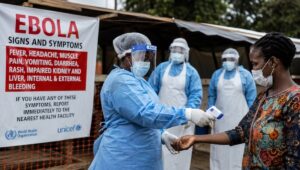
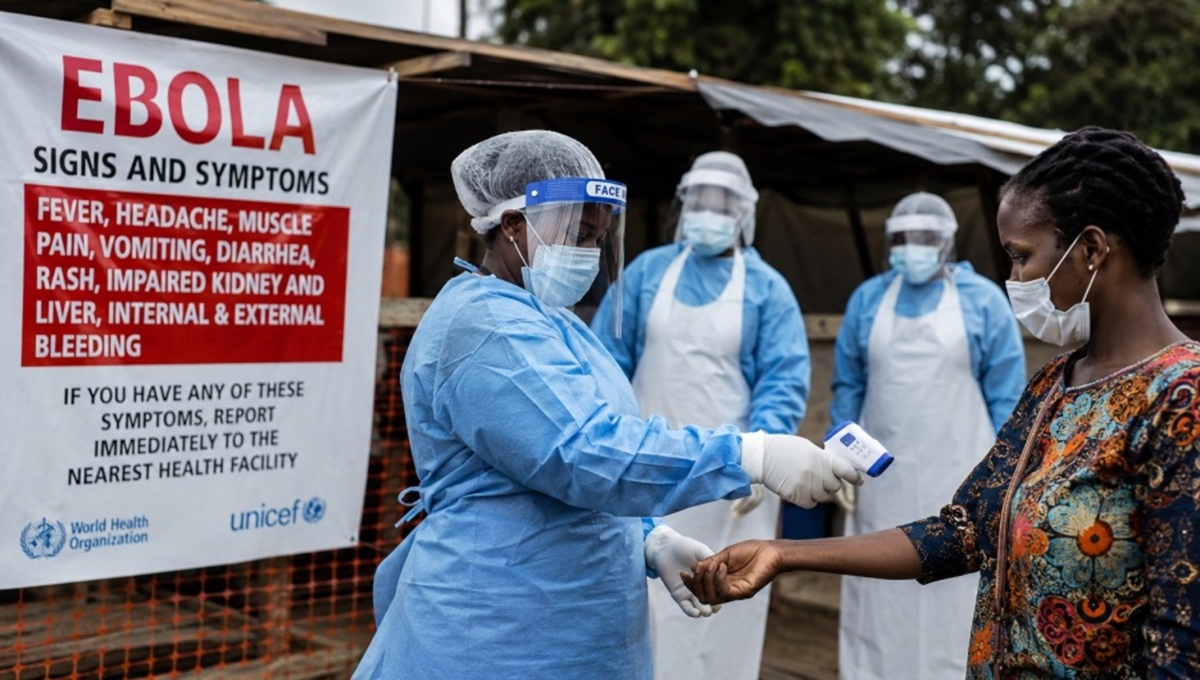
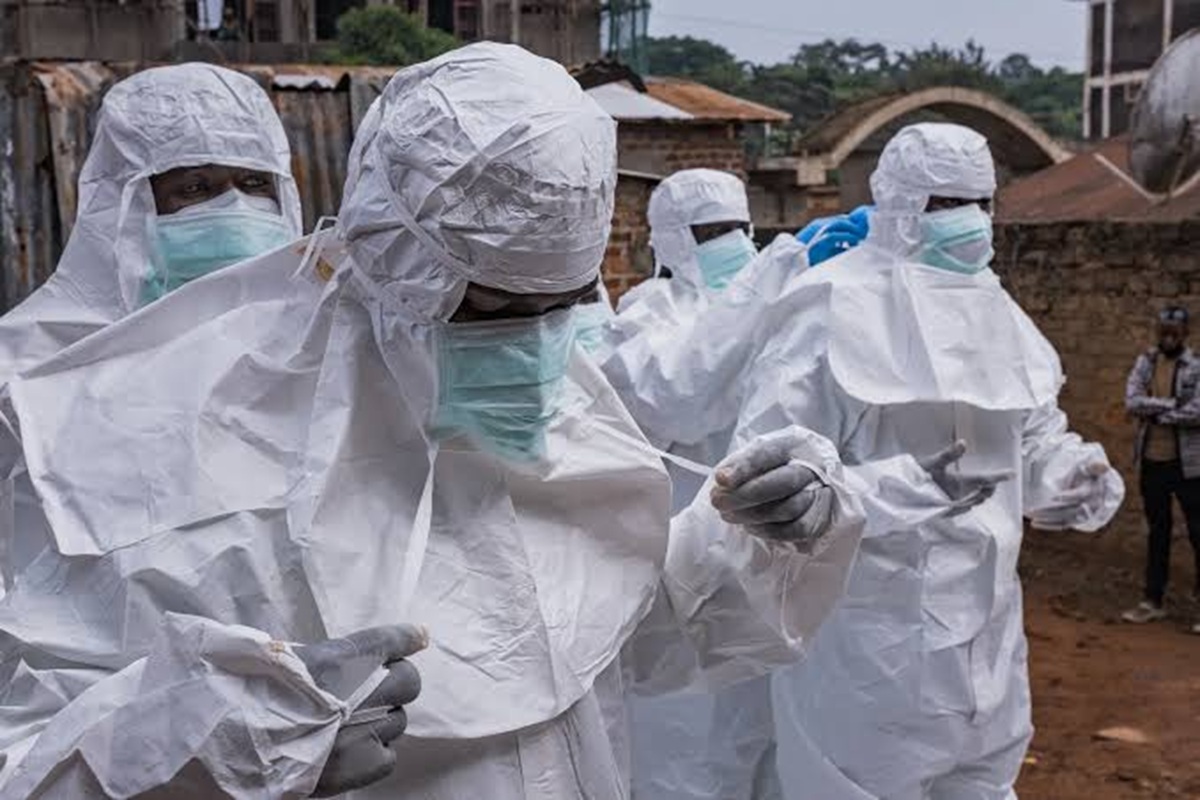
The assurance comes as the DRC grapples with what Africa CDC describes as the fastest-growing Ebola outbreak on record, with the scale of transmission presenting a major test for the continent’s public health systems.
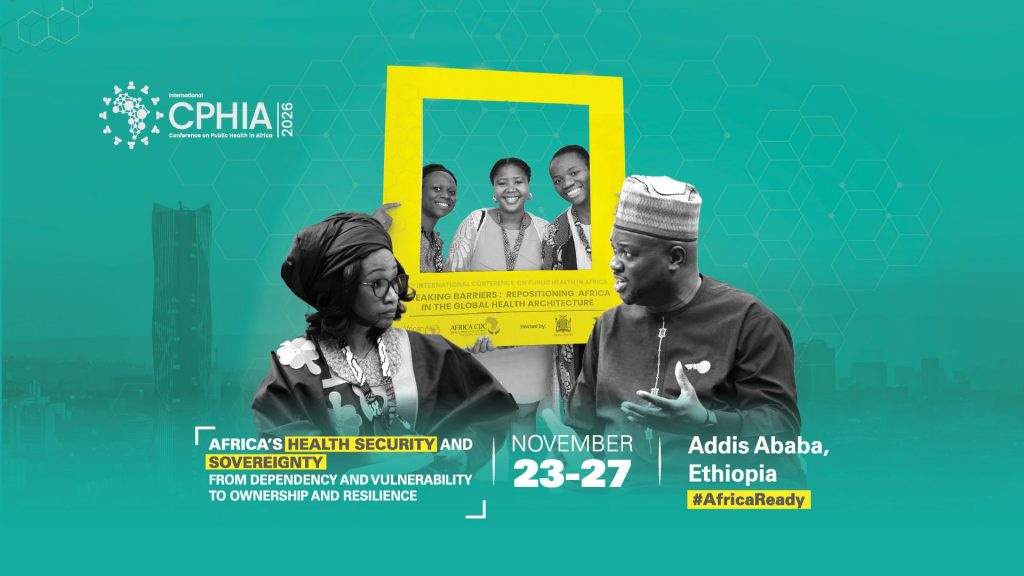
Speaking during an Africa CDC press briefing on Thursday, Prof Yap Boum, Africa CDC Deputy Incident Manager, said preparations were continuing for CPHIA, scheduled for 23–27 November in Addis Ababa, Ethiopia, while public health authorities continued to strengthen measures to prevent the international spread of the virus.
“We still have time, and we are very optimistic that with all that we are putting in place, we will be able to be in a better place as the control of this outbreak,” Boum said.
He said the conference would also provide an opportunity for countries to share lessons from the response, although the immediate priority remained containing the outbreak.
“We cannot think about them right now because we are still in the midst of the outbreak,” Boum said. “But I believe that by the time we reach to CPHIA, we’ll be in a better place.”
The reassurance comes against a stark epidemiological backdrop.
According to the latest Africa CDC situation briefing, the DRC outbreak had reached 5,656 confirmed cases and 2,715 deaths by August 24, with a case fatality ratio of 48%. At least 1,245 patients had recovered, while 792 people were in isolation or occupying treatment beds.
The Ebola outbreak has spread across 58 health zones in Ituri, North Kivu, South Kivu, Haut Uele, Tshopo and Bas Uele provinces. Of these, 54 remained active, while four had entered a control phase. The speed of the outbreak has particularly alarmed health authorities.
Africa CDC data shows that by week 15, the current Ebola outbreak had recorded 5,656 confirmed cases compared with 844 during the West Africa Ebola epidemic at a comparable stage, 425 during Uganda’s 2000 outbreak and 341 during the DRC’s 2018–2020 outbreak.
Deaths have also outpaced previous major Ebola outbreaks at the same point, with 2,715 deaths recorded compared with 518 during the West Africa epidemic.
The crisis has also taken a heavy toll on health workers, with 163 healthcare workers infected and 47 deaths recorded, according to Africa CDC. Yet the regional picture also provides a measure of reassurance. Uganda, which experienced cross-border transmission of the Bundibugyo Ebola virus earlier this year, was declared free of Ebola by the World Health Organization on August 27 after 42 days without a new confirmed case. Uganda recorded 20 confirmed cases and two deaths, with 15 infections imported from the DRC and five secondary cases among contacts and healthcare workers.
The Ugandan experience is particularly relevant to CPHIA preparations because the outbreak demonstrated how quickly Ebola can cross borders through population movement and healthcare networks. Boum said Africa CDC had therefore been engaging airlines and other partners to ensure that screening and awareness measures remain in place.
“Last week we were discussing with all the airline companies to remain reminded about the awareness, about the screening process to ensure that all are in place in DRC before leaving the country, but also in Ethiopia and other countries before you leave,” he said.
The DRC outbreak is caused by the Bundibugyo virus, a strain for which there is currently no specifically approved vaccine. This has complicated the response and prompted efforts to determine whether existing Ebola vaccines can provide cross-protection.
Africa CDC’s latest briefing shows that trials of candidate vaccines are already underway. A ChAdOx1 candidate began a Phase 1 trial on July 28, while an mRNA candidate began its Phase 1 trial on August 4. The Ervebo vaccine is also being studied for possible cross-protection against the Bundibugyo virus.
At the same time, Uganda’s experience demonstrates the value of rapid detection and containment. WHO reported that the country’s outbreak remained epidemiologically linked to infections originating in the DRC, with no documented community transmission. For Africa CDC, these developments underline why CPHIA remains important even amid the current crisis.
The conference is expected to bring together public health leaders, researchers, policymakers and health professionals from across Africa and beyond to discuss the continent’s most pressing health challenges. Boum said the organisation was confident that the necessary safeguards would be in place by November.
“We are quite confident on the possibility to host the CPHIA very safely in Addis on 23–27 of November,” he said.
That confidence, however, is being tested by an outbreak that continues to expand in the DRC. Africa CDC data shows weekly cases and deaths continuing to rise, particularly in Ituri and North Kivu. More than 68% of reported weekly cases in the affected provinces were deaths, underscoring the severity of the epidemic.
For now, Africa’s public health authorities are attempting to fight two battles at once: containing one of the continent’s most serious Ebola outbreaks while ensuring that preparations for its largest public health gathering remain on track.
As Boum put it, the lessons of the outbreak may only become clearer once the emergency is brought under control.