
By Michael Gwarisa
Zimbabwe is stepping up efforts to find people with tuberculosis earlier and link them to treatment, as the government acknowledges that despite improvements in case notification and treatment outcomes, too many people remain unreached.
The Ministry of Health and Child Care says the country is finding more people with TB, with notifications rising from 16,600 in 2021 to about 22,600 in 2025, representing a 37 percent increase. However, the National TB and Leprosy Programme cautions that the increase reflects improved detection and reporting and does not necessarily mean that TB incidence is rising.
The government now wants to build on these gains through the new TB and Leprosy National Strategic Plan for 2027–2030, which seeks to increase drug-susceptible TB treatment coverage from 60 percent in 2024 to 85 percent by 2030. The plan also targets an increase in treatment success from 91 percent to 95 percent for drug-susceptible TB, while drug-resistant TB treatment success is expected to rise from 69 percent to 80 percent.
But reaching those targets will require more than expanding services within health facilities. The government says the TB response must increasingly reach people where they live, work and interact, particularly populations facing higher exposure or barriers to diagnosis and treatment.
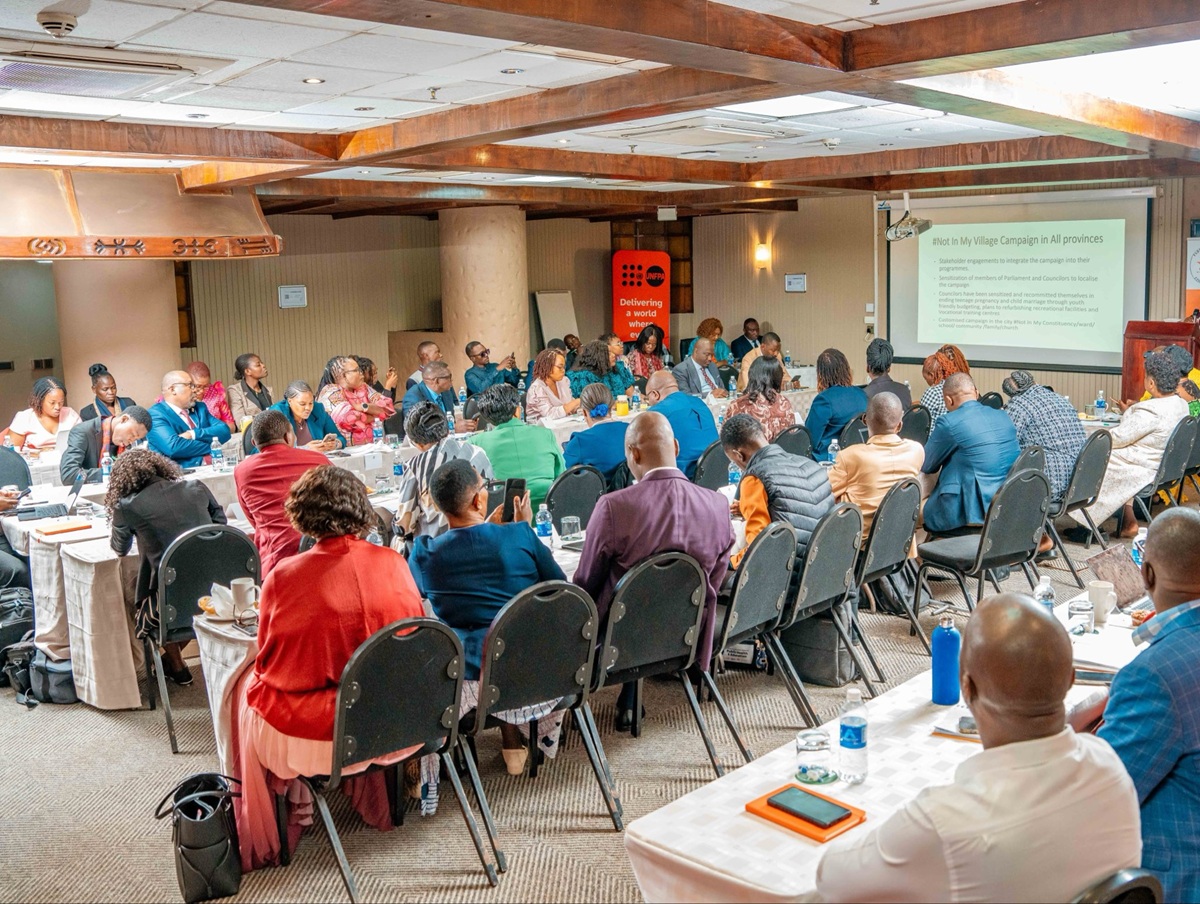
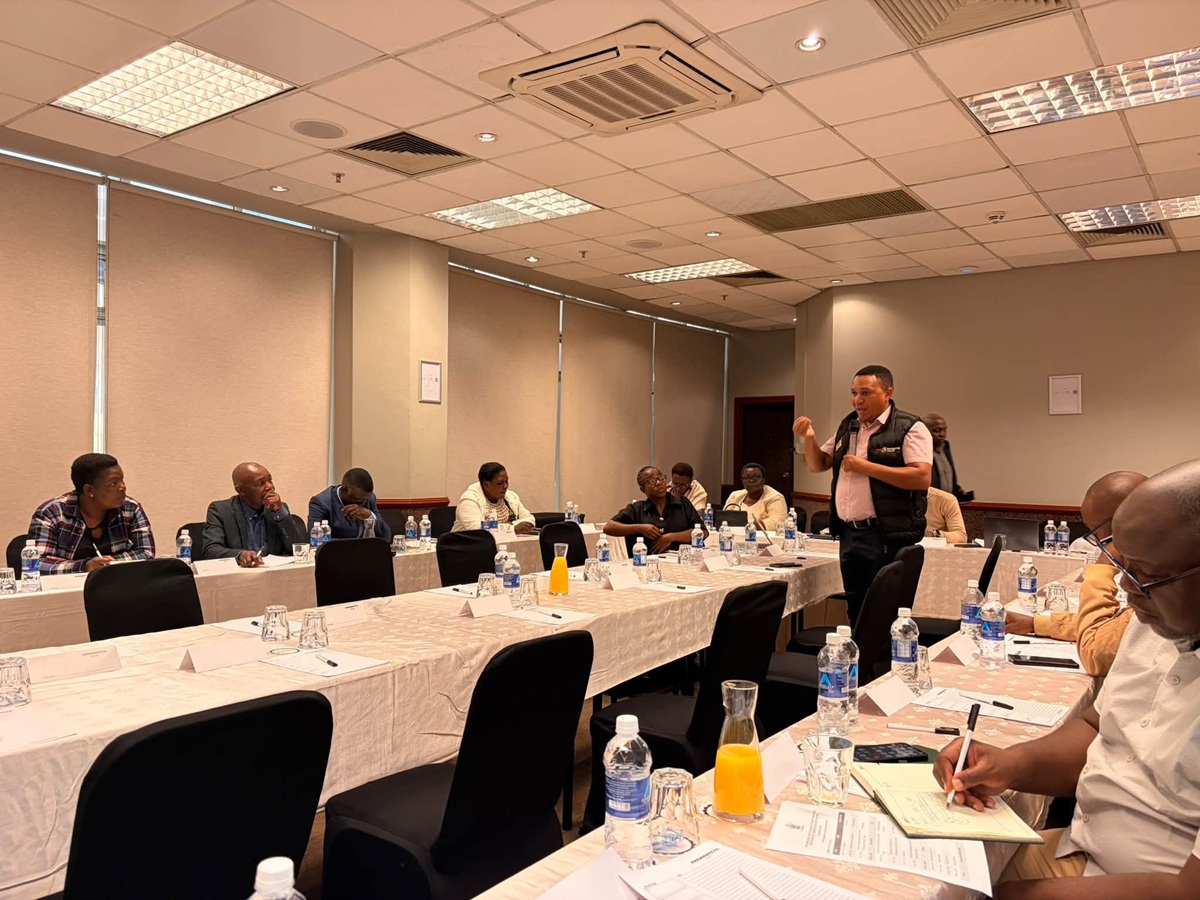
Speaking during the Multisectoral Accountability Framework for TB Sector-Specific Workplan Review Meeting (MAF TB) Review meeting, Dr Fungai Kavhenga, Director of the TB Department in the Ministry of Health and Child Care, has highlighted the importance of focusing on communities and occupational groups affected by TB.
“In 2023, 15% of notifications were contributed by miners, ex-miners and their families. We are noting a huge exposure to TB through economic activities, especially artisanal mining, and we are seeing an increase in TB in those communities,” Kavhenga said.
The emphasis on high-risk and underserved populations is reflected in the government’s multisectoral accountability approach. The MAF-TB framework identifies miners and mobile workers, children and household contacts, prisoners and other institutional populations, people living with HIV and underserved communities as groups requiring targeted interventions.
Under the Multisectoral Accountability Framework for TB, government, workplaces, institutions, communities, civil society and other sectors are expected to contribute to prevention, screening, referral, treatment support and monitoring. The sector-specific plan identifies community organisations as key actors in mobilisation, screening and referral, treatment preventive therapy, psychosocial support and community-led monitoring.
It is within this framework that TB survivors have increasingly become part of the case-finding effort.
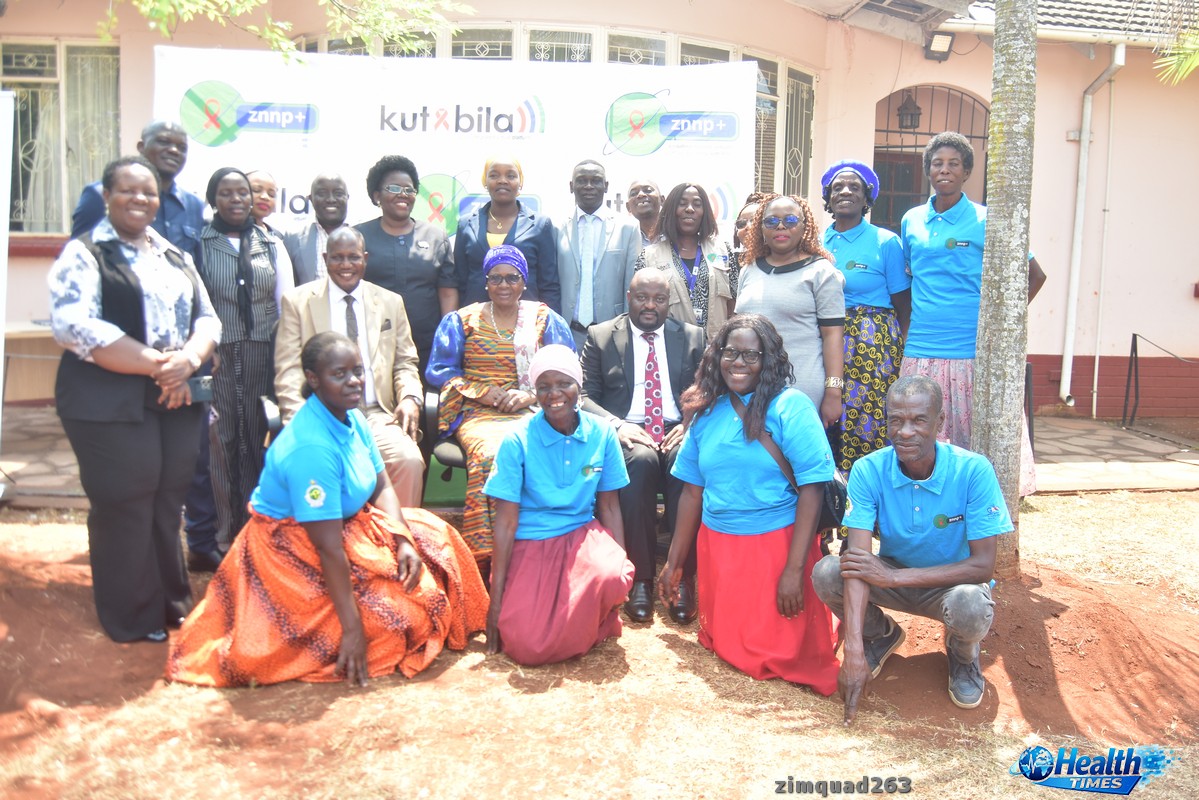
The Zimbabwe National Network of TB Survivors (ZNNTBS) has been implementing activities under Pillar 2 of MAF-TB, which focuses on community-led case finding and linkage to care.
According to Stanely Sibanda of ZNNTBS, the organisation’s work has focused on reaching vulnerable populations that may otherwise be missed by conventional facility-based services.
“We chose Pillar 2 because it directly resonates with our day to day activities. As survivors, we have lived experience and trust in vulnerable communities,” Sibanda said.
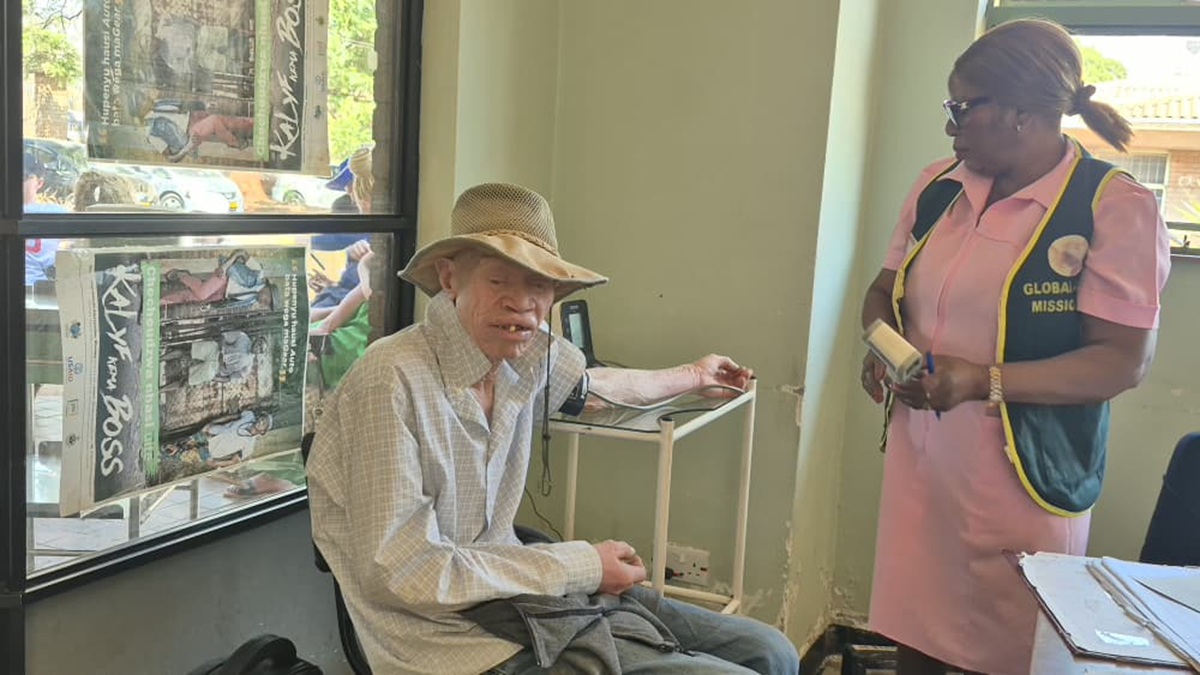
From January 2023 to September 2026, ZNNTBS says it conducted community outreaches in four provinces, reaching thousands of people and screening vulnerable populations including ex-miners, contacts of TB patients, people living with HIV, children and people living in underserved urban communities.
The organisation’s Community TB Champions are working across all City of Harare clinics and at 14 clinics in Mashonaland East Province. Its activities include contact tracing with Environmental Health Technicians, TB awareness at churches, schools and funerals, sputum collection, peer support and treatment literacy.
ZNNTBS has also partnered with organisations including Population Solutions for Health, Zim-TTECH and UZ-CTRC, including the use of portable digital X-ray machines during some community health and wellness activities.
The national programme says community systems are already contributing to case detection, with about 2,300 TB cases attributed to community referrals in 2025.
For government, however, finding a presumptive case is only the beginning. The national TB strategy emphasises the need to complete the entire care pathway, from reaching people at risk and diagnosing them to starting treatment promptly and supporting them through completion of care.
ZNNTBS says it uses referral slips, WhatsApp follow-ups and TB registers to track patients from community screening to health facilities. But stigma, transport challenges, shortages of screening tools and funding gaps continue to limit community-led case finding.
The organisation is calling for formal recognition of survivor-led sputum transport and greater involvement of TB survivors in the national response. The government’s new strategic direction similarly recognises survivor experience and community-led monitoring as important tools for identifying barriers to care and improving accountability.
With Zimbabwe seeking to substantially increase TB treatment coverage by 2030, the MAF-TB approach is increasingly focused on ensuring that government, communities and other sectors have clearly defined responsibilities, measurable actions and evidence of results.