By Michael Gwarisa
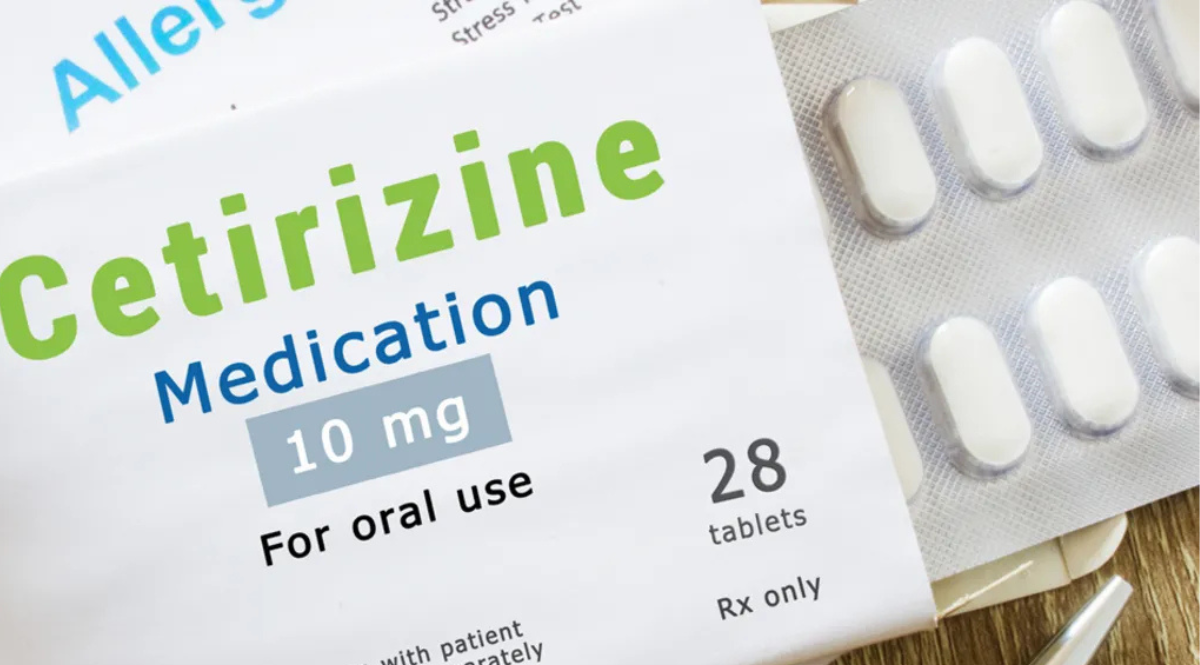
Kenya’s Pharmacy and Poisons Board has warned the public against using cetirizine tablets to cause vaginal dryness or tighten the vagina, saying the medicine has no approved use for the purpose and could cause serious health problems when misused.
The warning follows what the regulator described as misleading claims circulating on social media encouraging women to use cetirizine, an antihistamine commonly prescribed to relieve allergy symptoms, for vaginal tightening.
In a public safety alert issued on November 4, the Board said cetirizine is intended for oral use and should only be taken as directed by a qualified healthcare professional.
“There is no established scientific evidence supporting its use for this purpose,” the regulator said, warning against the use of cetirizine for vaginal tightening.
The Pharmacy and Poisons Board, which regulates pharmacy practice and health products in Kenya, said inserting cetirizine tablets into the vagina could result in irritation, burning, soreness, pain and discomfort.
The misuse could also interfere with the vagina’s natural protective environment and potentially increase the risk of infections, according to the regulator.
The warning highlights growing concerns over health information and treatment advice shared on social media, where unverified claims about medicines and their supposed benefits can spread rapidly.
The Board said cetirizine is an antihistamine used to relieve allergy symptoms, including allergic rhinitis and urticaria, and is not approved for vaginal use.
It also warned against taking higher-than-recommended doses of the medicine in an attempt to achieve the claimed effects. According to the regulator, excessive cetirizine use can cause side effects including excessive sleepiness, dizziness, tiredness, restlessness, confusion, shaking, a rapid heartbeat and difficulty passing urine.
The alert urged members of the public not to insert cetirizine tablets or other oral medicines into the vagina. It also advised people to use medicines only for their approved purposes and through the recommended route of administration.
The Board said women experiencing concerns about vaginal health, dryness or sexual health should seek advice from qualified healthcare professionals rather than relying on unverified information circulating online.
The warning comes as social media platforms increasingly become a source of health information, particularly for sensitive issues that people may be reluctant to discuss with healthcare providers.
Health misinformation around sexual and reproductive health can be particularly harmful because individuals may experiment with medicines without understanding their intended use, dosage, potential side effects or interactions.
The Pharmacy and Poisons Board urged the public to report suspected medicine-related side effects and safety concerns through its online pharmacovigilance portal, the mPvERS mobile application, or by contacting the Board through its official reporting channels.
The regulator reiterated that its mandate is to protect and promote public health by ensuring that health products and technologies available to the public meet required standards of quality, safety and efficacy.
The cetirizine warning also serves as a reminder that medicines should not be repurposed based on claims made on social media without evidence or professional medical guidance.