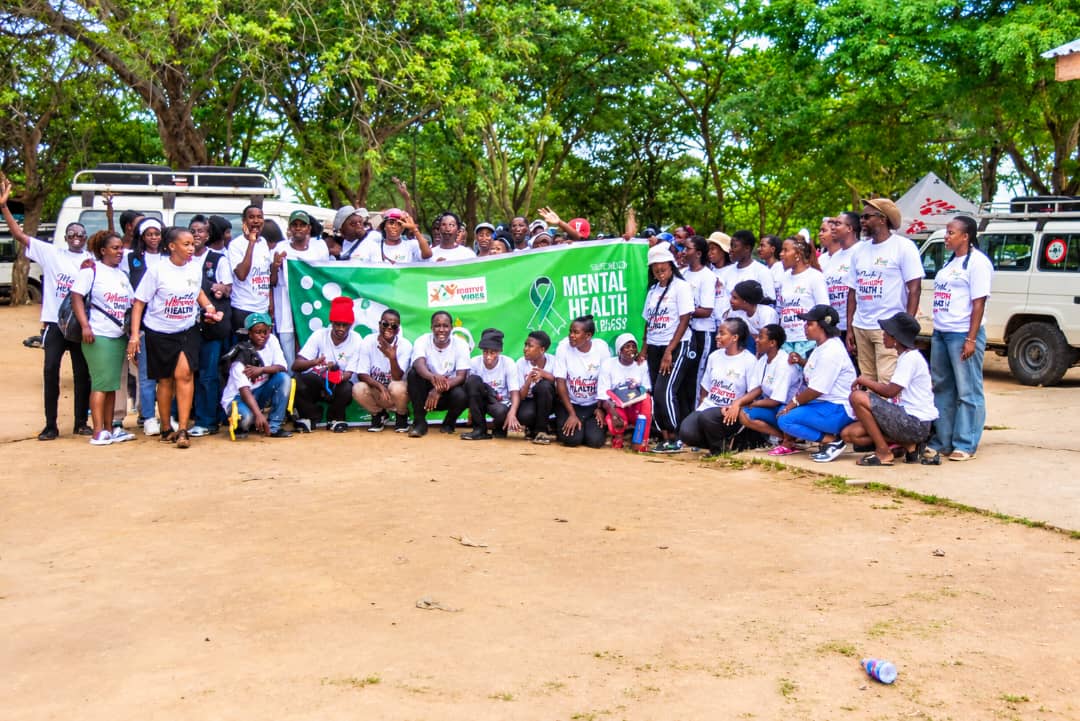

The people changing how Zimbabwe delivers healthcare
By HealthTimes
Every year since 2018, HealthTimes has recognised Zimbabweans whose work has made a meaningful contribution to the country’s health and wellbeing.
But 2026 has been a different kind of year. Zimbabwe’s health sector has been navigating a major transition, from changes in global health financing and the need for greater domestic investment, to new HIV prevention technologies, digital health innovations, stronger community based approaches and continuing efforts to reduce maternal and newborn deaths.
Against that backdrop, this year’s HealthTimes Health Champions are not simply the most prominent people in the health sector. They are people who took an idea, a responsibility or a problem and turned it into action. Some are doctors and senior health leaders. Others are midwives, environmental health practitioners, activists and innovators working much closer to communities.
What connects them is impact.
Here are the HealthTimes Top 10 Health Champions for 2026.
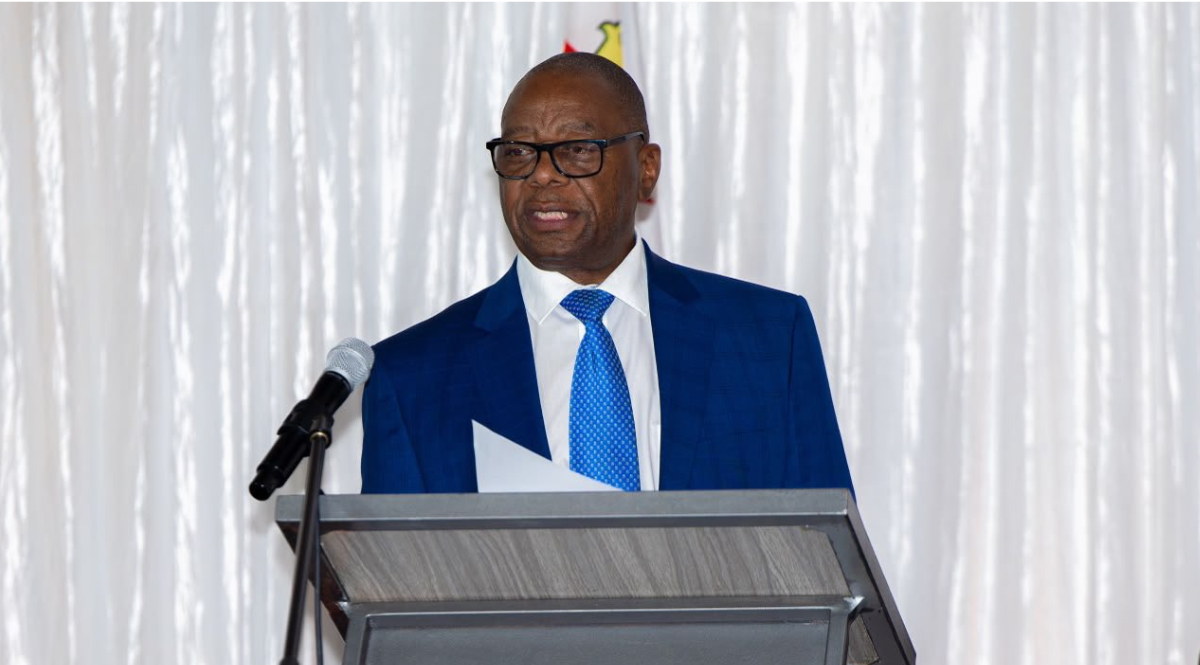
1. Dr Douglas Mombeshora
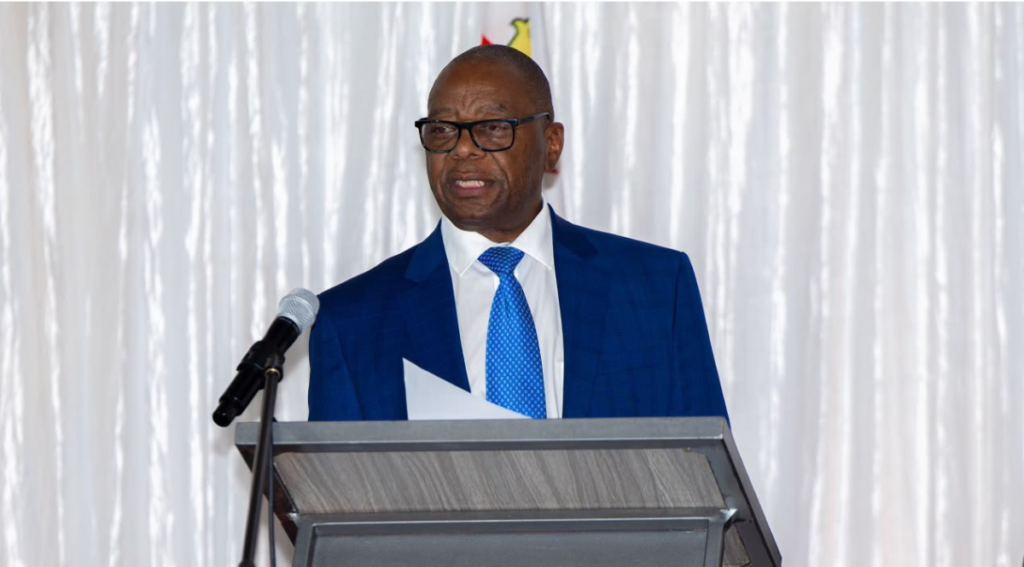
For steering Zimbabwe’s health system through a period of transition
As Minister of Health and Child Care, Dr Douglas Mombeshora has presided over a year in which Zimbabwe has had to confront some of the biggest questions facing its health system: how to sustain services, expand access and reduce dependence on external support while continuing to improve health outcomes.
One of the defining developments of 2026 was the launch of the National Health Strategy 2026 to 2030, which places universal health coverage, primary healthcare, health financing, digital health, human resources and resilient health systems at the centre of Zimbabwe’s next five years.
The strategy sets an ambition to increase domestic health financing to at least 15 percent of total Government expenditure and create 32,000 new health worker posts by 2030.
Mombeshora has also overseen the rollout of lenacapavir, the twice yearly injectable HIV prevention medicine that Zimbabwe began administering in February 2026.
The initial programme targeted more than 46,000 people at high risk of HIV infection across 24 sites, putting Zimbabwe among the early countries to introduce the technology.
For a health system under pressure, 2026 has therefore been a year of trying to preserve gains while building the next phase.
HealthTimes citation: For steering Zimbabwe’s health system through a period of profound transition and reform.
2. Dr Bernard Madzima
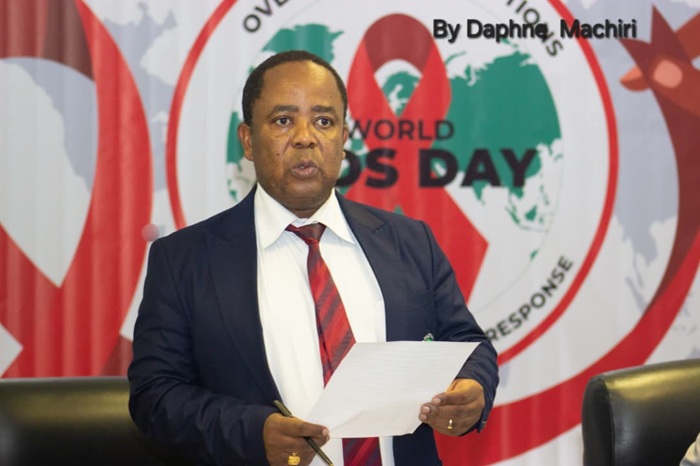
For helping Zimbabwe navigate a new era in HIV prevention and treatment
Zimbabwe’s HIV response entered a new chapter in 2026.
The country began rolling out lenacapavir, giving people at substantial risk of HIV a prevention option that requires only two injections a year rather than daily oral PrEP. The programme initially targeted more than 46,000 people.
The significance goes beyond one medicine. Zimbabwe has had to protect its HIV gains while confronting changes in international health financing and working towards a more sustainable response.
That makes the leadership of the National AIDS Council particularly important.
Madzima’s contribution belongs in the context of a health system attempting to move from an era in which HIV programmes were heavily supported by international partners towards a model that increasingly has to combine domestic resources, external financing, innovation and more sustainable service delivery.
HealthTimes citation: For helping Zimbabwe’s HIV response adapt to a rapidly changing prevention and financing landscape.
3. Dr Angela Mushavi

For keeping paediatric HIV at the centre of Zimbabwe’s unfinished HIV agenda
Zimbabwe has achieved significant progress in adult HIV treatment. But one of the country’s most important HIV challenges in 2026 has been the gap between adult and paediatric treatment.
Dr Angela Mushavi, the Ministry of Health and Child Care’s National PMTCT and Paediatric HIV Care and Treatment Coordinator, has been at the centre of efforts to close that gap.
In 2026, Zimbabwe projected 2,813 new paediatric HIV infections, while paediatric ART coverage stood at just 53 percent, compared with about 98 percent among adults. PMTCT coverage was 92 percent.
Mushavi has also highlighted gaps in antenatal care, HIV and syphilis testing, hepatitis B testing and retention of women on treatment.
Her message has been clear: Zimbabwe cannot claim to have ended the HIV epidemic while thousands of children remain at risk.
HealthTimes citation: For keeping paediatric HIV at the centre of Zimbabwe’s unfinished HIV agenda.
4. Dr Anna Mary Nyakabau

For taking cancer screening beyond hospital walls
For many Zimbabweans, especially those in rural communities, the biggest barrier to cancer care is not necessarily the absence of treatment. It is getting diagnosed early enough.
Clinical oncologist Dr Anna Mary Nyakabau has spent years taking cancer awareness, screening and specialist services closer to communities through CancerServe outreach programmes.
One of the clearest examples came at Karanda Mission Hospital, where a CancerServe medical camp reached 267 people with cancer awareness, screening, consultations and other health services. The outreach included cervical screening, PSA testing, blood pressure and blood sugar checks, ultrasound examinations and other NCD screening.
The reach of the programme was also reflected in the distances some patients travelled, with people coming from places including Gweru and Marondera.
Nyakabau’s message is one Zimbabwe needs to hear repeatedly: cancer outcomes improve when people are diagnosed early and linked to care.
Her work demonstrates that specialist cancer care does not always have to wait for patients to reach major urban hospitals.
Sometimes, the specialists have to go to the people.
HealthTimes citation: For taking cancer screening beyond hospital walls and bringing early detection closer to rural communities.
5. Miranda Tabifor
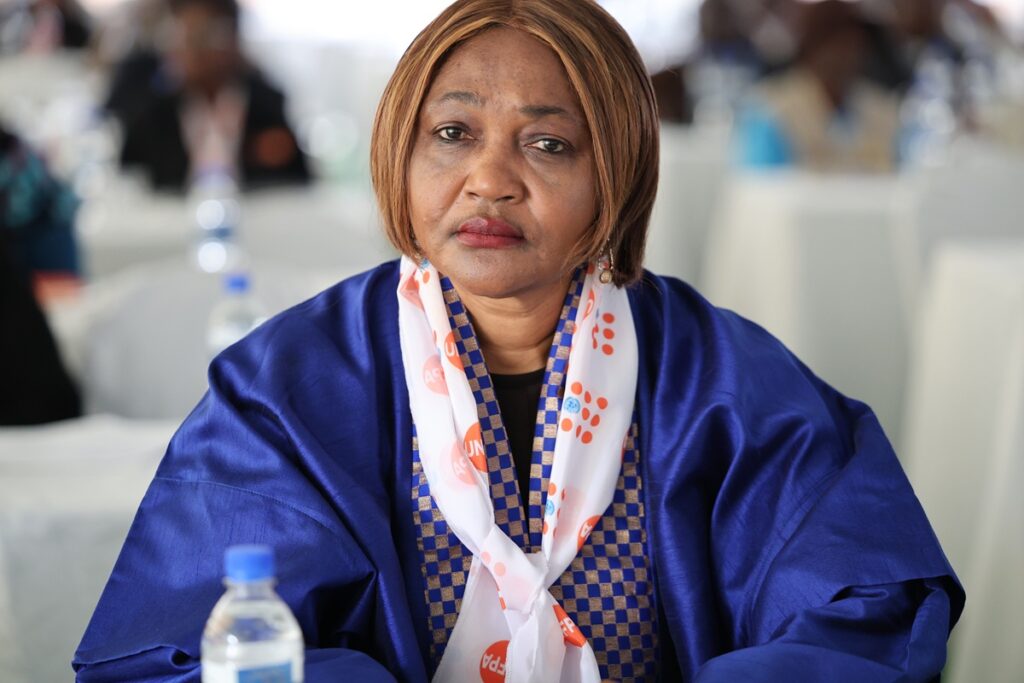
For bringing digital innovation into the labour ward
As UNFPA Representative, Miranda Tabifor has been instrumental in advocating for equitable access to safe motherhood and supporting investments that can make maternity care safer.
Maternal healthcare is one of the areas where technology can have immediate practical value. Under the Health Resilience Fund, UNFPA, under Tabifor’s leadership, funded the installation of an electronic partograph at United Bulawayo Hospitals and other health facilities in Zimbabwe. At UBH, the system was unveiled in June 2026 during the International Day of the Midwife commemorations.
The technology allows health workers to record and monitor maternal and fetal wellbeing and labour progress in real time, supporting quicker recognition of complications and faster clinical decisions.
That matters at a hospital like UBH, which handles more than 600 deliveries a month, roughly 20 births a day on average. In January 2026, the hospital recorded 26 births on New Year’s Day alone. The scale of activity highlights the importance of effective labour monitoring.
An electronic partograph does not itself save a mother or baby. Its value is in helping health workers see a developing problem earlier and act sooner.
Research from Kenya has found encouraging results from electronic partograph use, including better adherence to recommended labour care actions and a lower likelihood of suboptimal fetal outcomes compared with paper monitoring. However, these findings should not be presented as evidence of an equivalent effect already demonstrated at UBH.
Tabifor has also championed investment in midwifery training and maternal and newborn health through programmes including the Health Resilience Fund and Maternal and Newborn Fund.
HealthTimes citation: For championing digital innovation and investment in midwifery to make childbirth safer.
6. Thelma Theodolah Mpinda, The Good Midwife
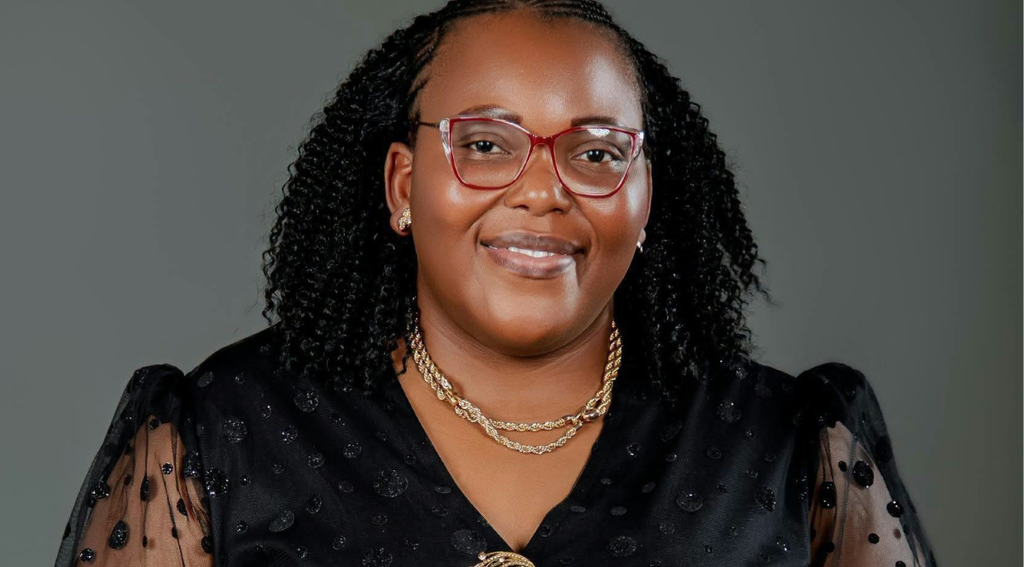
For turning a midwife’s knowledge into a public health platform
Not every health intervention happens in a hospital. Some happen on a phone screen.
Known to thousands of Zimbabweans as The Good Midwife, Thelma Theodolah Mpinda has turned her professional experience as a midwife into a public health communication platform.
Through social media, she explains pregnancy, labour, childbirth, newborn care and other midwifery issues in language that ordinary people can understand.
Her platform has an audience of around 170,000 followers, giving one midwife an extraordinary ability to communicate health information directly to the public. That matters because misinformation does not only circulate in hospitals. It circulates in homes, WhatsApp groups, Facebook feeds and conversations between expectant mothers.
By breaking down complicated maternal health issues and making them accessible, Mpinda has shown that a midwife can be both a healthcare provider and a public health communicator.
Her work represents a new form of frontline healthcare, one where the consultation room can be a phone screen.
HealthTimes citation: For using social media to make maternal health information accessible, understandable and useful to Zimbabwean families.
7. Itai Rusike

For making the case that Zimbabwe must finance its own health future
Few voices have been as persistent as Itai Rusike’s in arguing that Zimbabwe cannot build a sustainable health system without sustainable domestic financing.
As Executive Director of the Community Working Group on Health, Rusike has spent decades advocating for people centred healthcare, accountability and universal health coverage.
In 2026, that advocacy has become even more important.
As international development assistance comes under pressure, Zimbabwe faces the challenge of financing essential services while protecting patients from catastrophic health costs.
Rusike has pushed issues including health taxes, domestic resource mobilisation and accountable public spending higher up the national conversation. In January, CWGH argued that health taxes could become an important source of domestic resources while calling for greater transparency and ring fencing of revenue raised for health.
He has also been part of regional discussions on equitable and accountable health financing.
His argument is ultimately simple: a health system cannot be sustainable if the country does not sustainably finance it.
HealthTimes citation: For relentlessly advocating for a sustainable, equitable and domestically financed health system.
8. Tawanda Njerere

For showing what digital healthcare can mean in rural Zimbabwe
For years, digital health in Africa was often discussed as a future possibility.
In 2026, Tawanda Njerere and ZimSmart Villages have been showing what it can look like on the ground. The ZimSmart model combines telehealth, connectivity, community based digital health workers, screening, remote consultations, diagnostics, referrals and follow up.
In Chipinge, a new telehealth hub connected rural patients with medical specialists, with nearly 900 villagers benefiting from a free outreach programme. NetOne connectivity helped connect patients to specialists.
ZimSmart has also begun working with ZimPost to convert existing post office infrastructure into digital health clinics rather than building entirely new facilities. The model uses connectivity, community health workers and digital records to create a pathway from screening to consultation, diagnosis, referral, treatment and follow up.
The programme’s wider significance is clear in a country where distance can determine whether a rural patient ever sees a doctor.
Njerere’s work is based on a simple proposition: technology matters when it solves a real problem for real people.
HealthTimes citation: For using connectivity and digital innovation to bring healthcare closer to rural Zimbabweans.
9. Evelyn Katandika
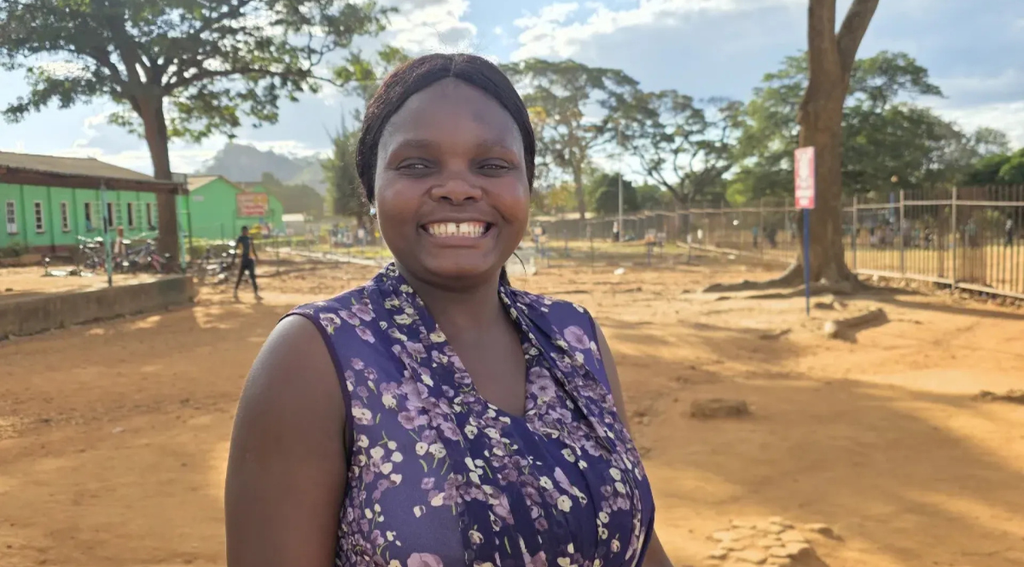
For turning personal loss into a commitment to protect mothers and children
At 32, Evelyn Katandika represents a younger generation of frontline health workers who are choosing to serve their communities despite the challenges they face.
A Village Health Worker in Centenary, Katandika’s decision to enter community health was shaped by a deeply personal experience. She lost her own baby to malaria, an experience that changed the direction of her life and strengthened her determination to help other families avoid preventable deaths.
Rather than allowing the loss to define her, Katandika turned it into a commitment to community health. Through her work, she supports households with health information, encourages people to seek care early and helps connect communities with the formal health system.
Her journey also reflects the importance of investing in community health workers. These workers are often the first point of contact between families and the health system, particularly in communities where distance, cost and limited access to health facilities can delay care.
Katandika subsequently entered formal training, strengthening her ability to provide health education and support to the community she serves.
Her story is important because it shows that frontline healthcare is not only about professional qualifications. It is also about lived experience, resilience and the decision to turn personal tragedy into service to others.
HealthTimes citation: For turning personal loss into a commitment to protecting mothers and children in her community.
10. Stanley Sibanda
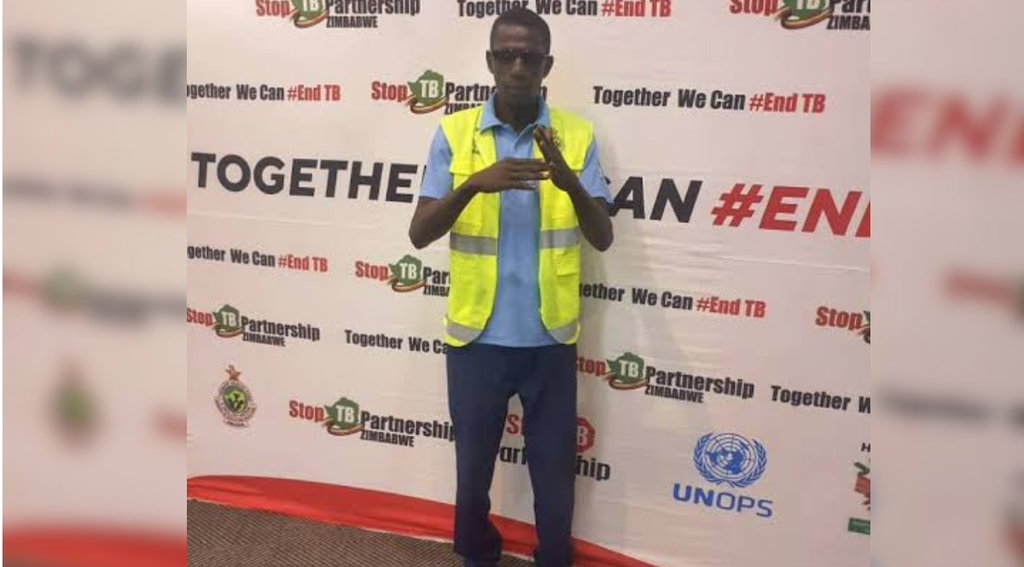
For putting TB survivors at the centre of the fight against TB
Stanley Sibanda represents another important shift in Zimbabwe’s TB response: people who have survived the disease becoming part of the solution.
Through the Zimbabwe National Network of TB Survivors, Sibanda has helped advance community led TB case finding and linkage to care under Pillar 2 of the Multisectoral Accountability Framework for TB.
The approach uses the lived experience and community trust of TB survivors to reach people who conventional facility based services may miss.
From January 2023 to September 2026, ZNNTBS reported conducting community outreaches across four provinces, reaching vulnerable populations including ex miners, contacts of TB patients, people living with HIV, children and underserved urban communities. Its community TB champions have been working across all City of Harare clinics and 14 clinics in Mashonaland East.
The national TB programme estimates that around 2,300 TB cases were attributed to community referrals in 2025, showing the potential value of community based approaches.
Sibanda’s story is therefore about more than TB. It is about recognising that patients and survivors are not merely recipients of healthcare. They can become partners in delivering it.
HealthTimes citation: For turning TB survivors’ lived experience into a powerful tool for finding and supporting people with TB.
The HealthTimes Health Champions of 2026
This year’s Health Champions reflect the people driving practical change across Zimbabwe’s health sector, from cancer screening and maternal health to HIV, TB, digital healthcare and health financing. Their work demonstrates that improving healthcare requires not only policy and leadership, but also people willing to take services, information and solutions closer to communities.
Compiled by the HealthTimes Monitoring Team, 2026