By Michael Gwarisa
Patients are being forced to pay for laboratory tests at private facilities when public hospitals run out of reagents or experience equipment breakdowns, Health and Child Care Minister Dr Douglas Mombeshora has told Parliament.
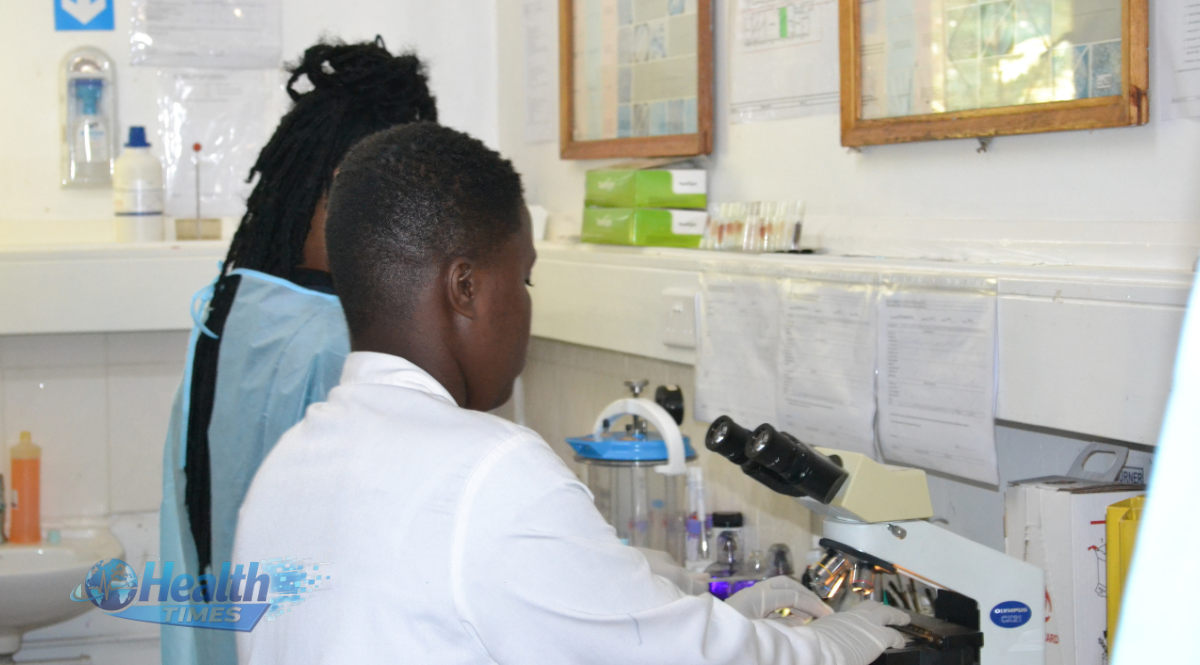
Dr. Mombeshora said interruptions in the supply of laboratory reagents and periods of equipment downtime were affecting the ability of public hospitals to provide timely diagnostic services.
“When there are interruptions in the supply of reagents or equipment downtime, there are delays in the provision of results, forcing patients to seek services from private laboratories at their own cost,” Mombeshora said.
The Minister was responding to questions on challenges affecting laboratory services at public health facilities.
He said the problem was partly linked to the fact that most laboratory reagents and equipment used in the country are imported, making it difficult for individual hospitals to independently maintain adequate supplies.
According to Dr. Mombeshora, the Government is considering centralising the procurement of laboratory reagents and equipment as part of efforts to address the shortages.
The admission highlights another pressure facing Zimbabwe’s public health system, where patients who depend on government facilities for affordable healthcare can incur additional costs when essential diagnostic services are unavailable.
Laboratory investigations are critical to the diagnosis and management of a wide range of conditions, with delays in obtaining results potentially affecting clinical decision-making and treatment.
He further said the Government was working to address the procurement challenges affecting laboratory services, with centralised procurement being considered as a way of ensuring more consistent availability of essential supplies across public health facilities.
The issue of laboratory shortages comes amid wider concerns over the availability of medicines and other essential health commodities in public hospitals.
At Gweru Provincial Hospital, for example, the Ministry reported that tracer commodity availability in August 2026 stood above the national average across several categories, although availability still fell short of universal coverage.
The laboratory challenges, however, demonstrate that access to healthcare extends beyond the availability of medicines, with diagnostic services also dependent on functioning equipment and a reliable supply of reagents.