By Kuda Pembere
The Zimbabwe Gender Commission has launched a 90-day national campaign against intimate partner violence following concern over domestic violence cases that have escalated into serious injury and loss of life.
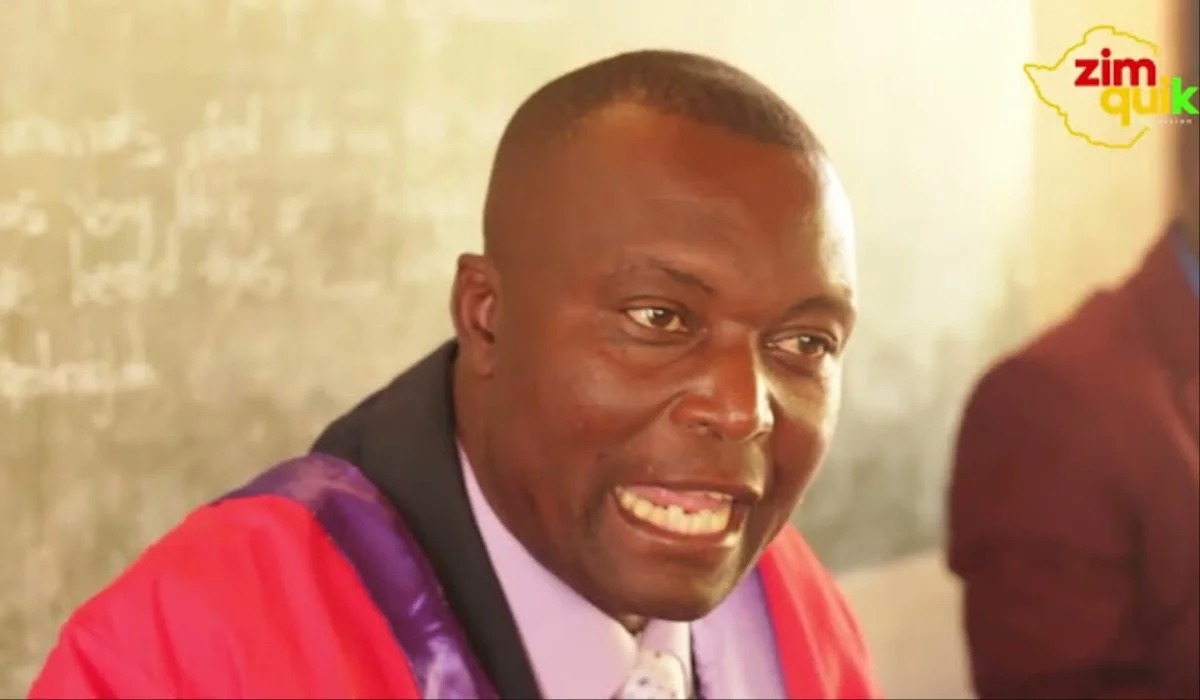
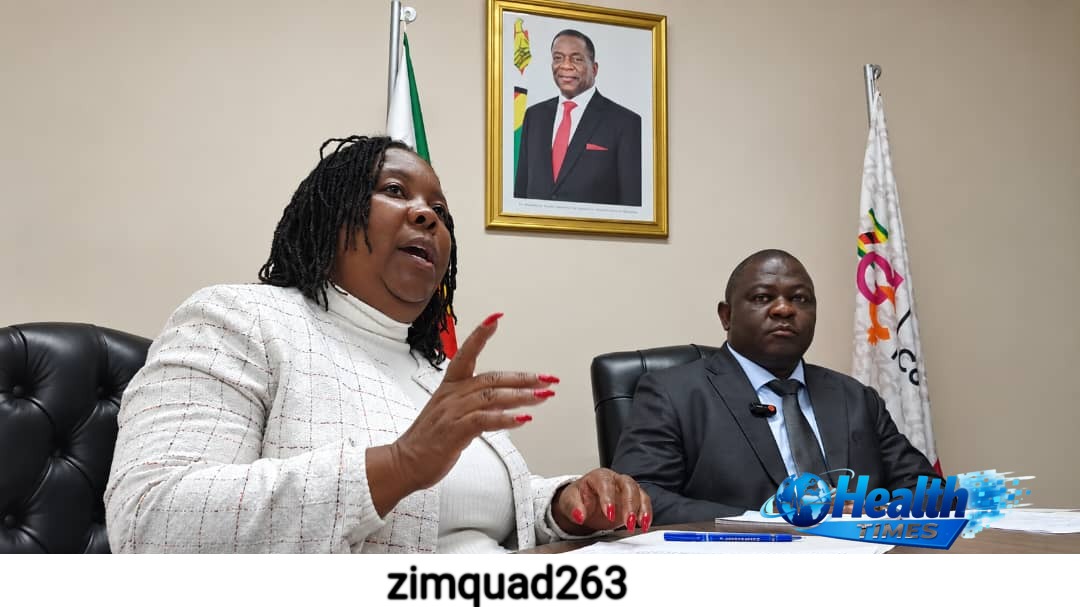
Speaking to journalists on Friday, ZGC chairperson Dr Leslie Ncube said the reported increase in physical, sexual and emotional violence within intimate relationships was deeply concerning.
“The Commission is deeply concerned by the increasing reports of physical, sexual, emotional and other forms of violence occurring within intimate relationships, including cases that escalate into loss of life.
“Reports demonstrate that IPV and domestic violence remain a serious national concern within the broader discourse on gender-based violence,” Ncube said.
Ncube said police recorded 13,838 cases of sexual offences and aggravated domestic violence in 2024, including cases that escalated into grievous bodily harm, murder and suicide.
“Zimbabwe Republic Police reports a number of cases of domestic violence and related offences, including cases that have escalated to grievous bodily harm, murder and suicide. In 2024, at least 13,838 cases of sexual offences and aggravated domestic violence were recorded across the country,” he said.
“The Zimbabwe Demographic and Health Survey (ZDHS) 2023–2024 also confirms that IPV remains widespread in Zimbabwe, with 27 percent of women aged 15 to 49 having experienced physical violence, while nine percent having experienced sexual violence in their lifetime. The survey also provides important evidence of violence experienced within intimate relationships.”
Ncube said the response to gender-based violence should also recognise male survivors, who may be reluctant to report cases because of stigma and expectations around masculinity.
“The Commission is deeply concerned by the increasing number of reported cases of fatal domestic disputes. These incidents underscore the urgent need for strengthened early intervention, prevention, and coordinated national response mechanisms to prevent domestic conflicts from escalating into violence and loss of life.
“While women and girls bear a disproportionate burden of gender-based violence, the Commission emphasises that intimate partner violence can also affect men and boys,” he said.
“The experiences of male survivors may remain hidden because of stigma, shame, fear of ridicule, harmful expectations around masculinity and limited access to appropriate support services.
“The Commission therefore calls for an inclusive and gender-sensitive response in which every survivor, regardless of gender, can access information, prevention and protection, support, justice and appropriate referral service,” Ncube said.
The campaign, running from October to December 2026 and culminating in the 16 Days of Activism Against Gender-Based Violence, seeks to shift the focus from responding to violence after it occurs towards prevention and early intervention.
“In view of the recent surge in IPV and also as part of efforts to consolidate the HLPC, Zimbabwe Gender Commission is therefore announcing a 90-day National Campaign Against Intimate Partner Violence, running from October to December 2026 and culminating in the 16 Days of Activism Against Gender-Based Violence,” Ncube said.
“The campaign seeks to move the national conversation beyond responding to violence after it occurs towards prevention, early identification of warning signs, mental health dialogue, healthy relationships, peaceful conflict resolution, reporting, survivor support and institutional accountability.
“The campaign is a national, multi-stakeholder initiative bringing together Government, civil society, development partners, the private sector, communities, media, faith-based and traditional leaders.
“The 90-day campaign will focus on five key areas: public awareness and sensitisation; Government and institutional engagement; engaging men and boys as partners in prevention; working with faith and traditional leaders to promote peaceful homes; and promoting supportive and safe workplaces,” he said.
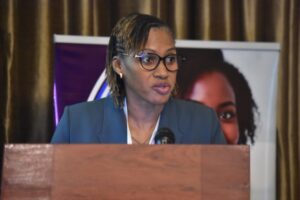
ZGC chief executive officer Virginia Muwanigwa said the commission would work with organisations involved in preventing and responding to gender-based violence, with activities extending to areas where the commission has offices.
“We’re also aware of some of our hotspots in Zimbabwe in terms of gender-based violence. But as of now, I would request that we’ll give you more information in terms of those specific areas that the campaign will go to,” Muwanigwa said.
“What I definitely can say to you is Harare is one of those areas because our head office is in Harare. Masvingo is one of the areas.
“We also have an office in Bulawayo that caters to our metropolitan section and Matabeleland provinces. We also have an office in Manicaland that addresses that particular province, and another office in Chinhoyi for Mashonaland West province.
“And then also in the Midlands for the Midlands province. So, because we already have presence on the ground.”
Muwanigwa said the campaign would be implemented in partnership with government ministries and agencies, women’s rights organisations, the private sector, media and other stakeholders.
“What I also need to say is that this campaign is not just gender commission. It’s the Zimbabwe Gender Commission and some of the partners that we work with.
“From women’s rights organisations, from government ministries, departments and agencies, from the private sector, from the media and any other that we work with,” she said.
Muwanigwa said faith-based organisations would also be part of the commission’s advocacy efforts, following findings from its national inquiry into child marriages and related concerns.
“In terms of advocacy towards religious groups, yes, I think this is one of those areas that when we did the national inquiry I spoke about earlier, it did come out,” she said.
“And you remember again that as Zimbabwe Gender Commission, we featured quite a bit in the media after the issue of Anna Machaya. Because from there, this is what also triggered us doing the national inquiry. So, we’ve already been looking at the religious sector as one of those areas where we look at issues of gender-based violence.”