By Kudakwashe Analys Musanhu
Student Counselling Psychologist
When we talk about addiction, attention naturally goes to the person using substances. We worry about their health, behaviour, relationships and future. We encourage them to seek counselling, enter rehabilitation and make changes that can support recovery. Yet there is another group whose struggles can easily go unnoticed: the family.
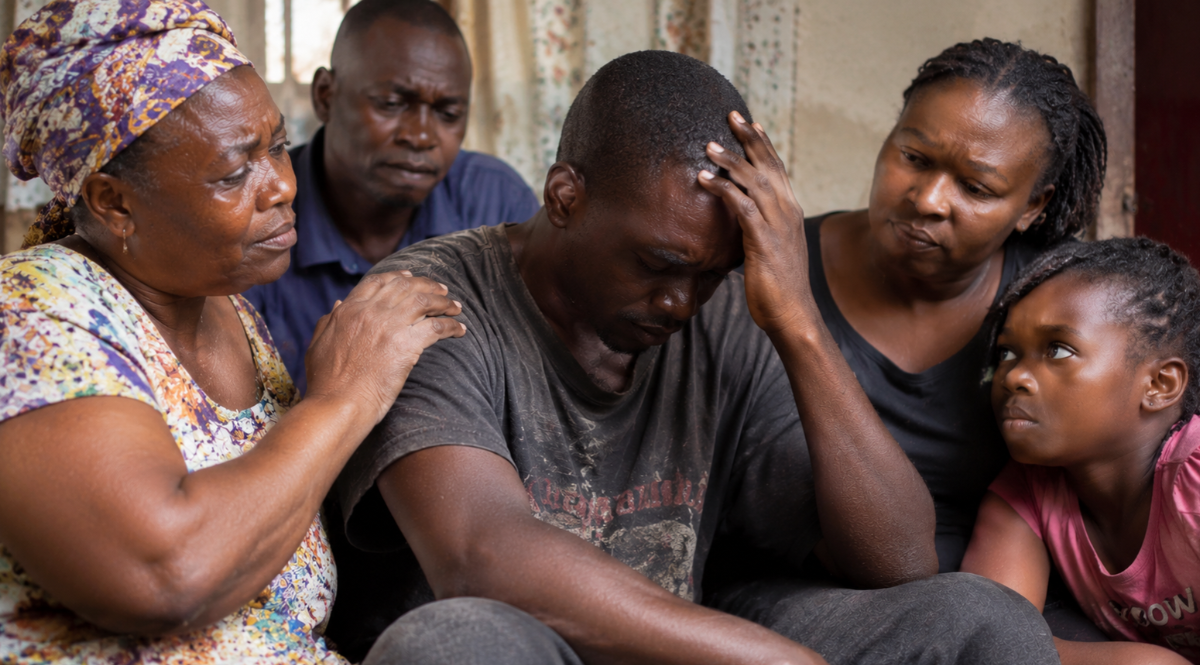
Living with a loved one who is struggling with addiction can be emotionally exhausting. Families may spend months or even years trying to understand what is happening. They may face broken promises, unexplained absences, financial difficulties, conflict at home and changes in their loved one’s behaviour. Some constantly worry about what might happen next. Over time, this can take a psychological toll.
Parents may question where they went wrong. Spouses can become overwhelmed by responsibilities previously shared. Siblings may feel angry or helpless. Children can also be affected by instability at home. Although experiences differ, addiction rarely affects one person in isolation (Lander et al., 2013).
Families are sometimes expected simply to “be strong”. Strength, however, should not mean suffering silently.
Family members need safe spaces where they can speak about their experiences without being judged. Counselling can help them process difficult emotions, develop coping strategies and understand that supporting someone does not mean taking responsibility for every decision that person makes. Rushton et al. (2023) found promising evidence that individual and group interventions can reduce depression and distress among affected relatives, although weaknesses in the studies limit firm conclusions.
Psychoeducation, or practical education about addiction and recovery, is equally important. When families understand the recovery process, they may be better prepared to respond constructively. They can learn about triggers, relapse warning signs, healthy communication and boundaries, while building support systems of their own (Substance Abuse and Mental Health Services Administration [SAMHSA], 2020).
There is a difference between supporting recovery and enabling harmful behaviour. Helping someone attend counselling can encourage change. Repeatedly covering up substance-related problems or making excuses may unintentionally allow harmful patterns to continue. Professional guidance can help families offer support while setting boundaries that protect their wellbeing and children’s needs (SAMHSA, 2020).
Support should continue when a loved one enters rehabilitation. After a long period of uncertainty, admission can bring enormous relief and hope that things will improve. However, treatment does not automatically erase the emotional impact of what happened before. Trust may need rebuilding. Relationships may have been damaged, and financial problems may remain. Some relatives still carry anger or fear even while welcoming progress (McGovern et al., 2021).
Recovery can therefore involve repairing relationships and learning new ways of living together.
Where appropriate and with consent, family education, counselling, support groups and preparation for returning home can help relatives develop realistic expectations. Change takes time, and progress may not always follow a straight path. Families also need guidance on supporting recovery without taking responsibility for every decision their loved one makes (SAMHSA, 2020).
The saying “It takes a village to raise a child” resonates well with how Zimbabwean communities have an important role to play. Consider a household trying to meet school fees and daily expenses while finding money for transport to counselling. Such practical concerns deserve attention alongside emotional support.
We can build on extended-family and church networks by connecting relatives with professional services. Family education in Shona, Ndebele and other local languages would make these conversations more accessible. Faith and community support should work alongside professional care.
Stigma also needs attention. Fear of gossip or judgement can discourage families from seeking help (Rushton et al., 2023). Churches, schools, workplaces and healthcare providers should offer accurate information and clear directions to appropriate services. A confidential conversation can be an important starting point.
Family members deserve support for their own wellbeing. A mother who has spent years worrying about her child may need counselling. A spouse who has carried the household through repeated crises may need someone to listen. A sibling carrying anger and resentment may need help understanding those feelings. Supporting them can also strengthen the environment in which recovery takes place.
Their needs should form part of our response to addiction, even when their loved one is not yet ready for treatment.
When someone begins recovery, the family may have healing to do as well. Alongside asking how to help that person, we should ask: “How is the family coping, and what support do they need?”
Making room for that question would give families a clearer place in recovery care across Zimbabwe.
References
Lander, L., Howsare, J., & Byrne, M. (2013). The impact of substance use disorders on families and children: From theory to practice. Social Work in Public Health, 28(3–4), 194–205. https://doi.org/10.1080/19371918.2013.759005
McGovern, R., Smart, D., Alderson, H., Araújo-Soares, V., Brown, J., Buykx, P., Evans, V., Fleming, K., Hickman, M., Macleod, J., Meier, P., & Kaner, E. (2021). Psychosocial interventions to improve psychological, social and physical wellbeing in family members affected by an adult relative’s substance use: A systematic search and review of the evidence. International Journal of Environmental Research and Public Health, 18(4), Article 1793. https://doi.org/10.3390/ijerph18041793
Rushton, C., Kelly, P. J., Raftery, D., Beck, A., & Larance, B. (2023). The effectiveness of psychosocial interventions for family members impacted by another’s substance use: A systematic review and meta-analysis. Drug and Alcohol Review, 42(4), 960–977. https://doi.org/10.1111/dar.13607
Substance Abuse and Mental Health Services Administration. (2020). Substance use disorder treatment and family therapy (Treatment Improvement Protocol Series No. 39; Publication No. PEP20-02-02-012). https://www.ncbi.nlm.nih.gov/books/NBK571080/