By Michael Gwarisa
Mental health is not defined by people walking naked in the streets, picking food from bins or appearing visibly disturbed, with the majority of people living with mental health conditions often going unnoticed behind smiles, professional clothes and seemingly normal lives.
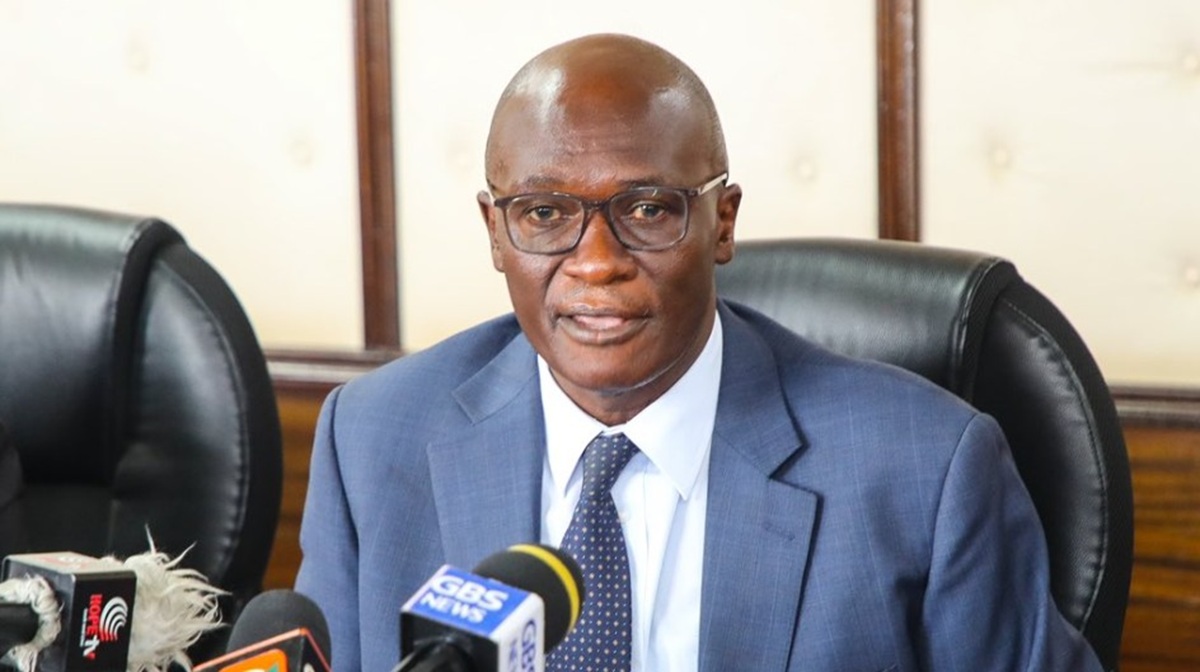
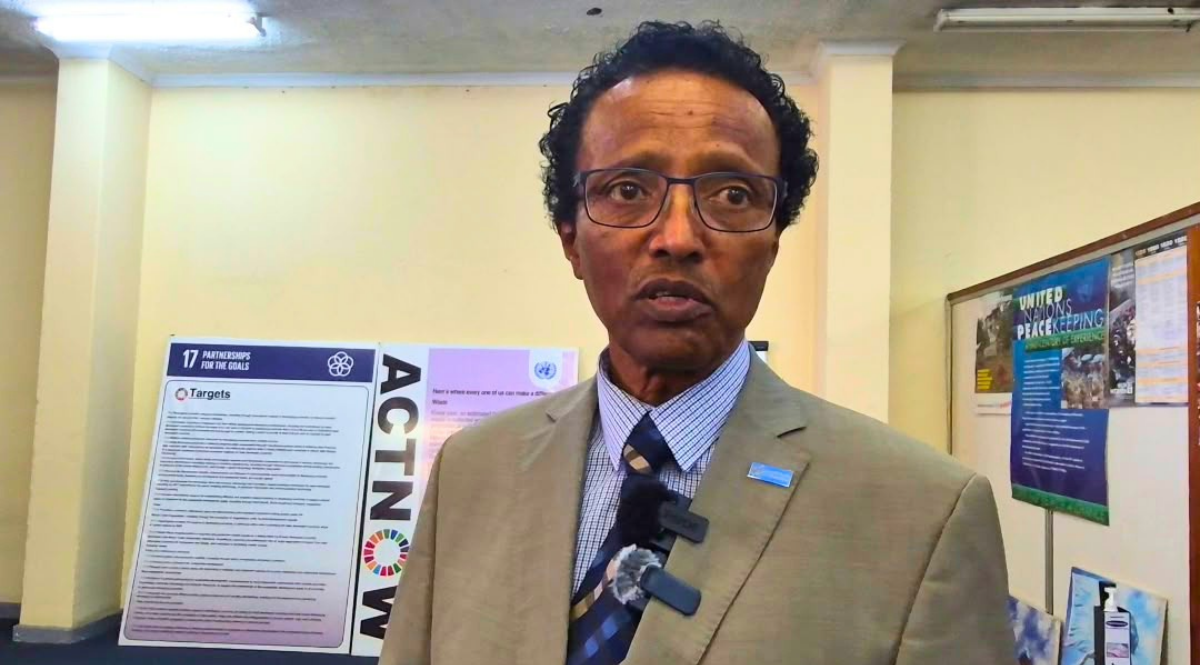
World Health Organisation (WHO) Representative to Zimbabwe, Dr Desta Tiruneh, made the remarks in an interview with HealthTimes ahead of World Mental Health Day commemorations in Zimbabwe, warning against the stigma that continues to surround mental health conditions and urging people experiencing psychological distress to seek care.
“One thing that I want to mention as a summary is that the mental health problem is not the people that we see in the streets, naked, and whom we usually consider as crazy or mad. Those are not the only ones,” said Dr Tiruneh. “Those are the few that we actually see. The majority of people with mental health problems are people like you and me. We are all experiencing some mental health challenges every day.”
He said the scale of the global mental health burden was far greater than many people realise, with an estimated one billion people living with mental health disorders in 2023, up from about 970 million in 2019.
This means roughly one in every seven people globally is living with a mental health problem, according to Tiruneh, although many conditions remain undiagnosed or untreated because of stigma, limited access to services and a tendency to dismiss mental health as less serious than physical illness.
In Africa, an estimated 150 million people are living with mental health disorders, with depression and anxiety accounting for a significant proportion of the burden. Tiruneh said about 55 million people in the region are affected by depression, while 53 million have anxiety disorders.
Alcohol and drug use disorders also contribute significantly to the burden, with an estimated 10 million people affected by alcohol-related disorders and more than four million experiencing drug use disorders.
Suicide remains another major public health concern, accounting for approximately one in every 100 deaths globally.
Tiruneh said the mental health burden was being fuelled by a combination of economic, social and environmental pressures, including poverty, unemployment and food insecurity.
The effects of climate-related shocks such as drought can also worsen psychological distress among communities already facing economic hardship.
“Social exclusion and inequality are another factor. Gender-based violence is also another one, which is fuelling the mental health problem,” he said.
Humanitarian crises and conflict can further increase the burden by exposing communities to additional stress, trauma and uncertainty.
However, Tiruneh said the challenge was not only the growing number of people experiencing mental health conditions, but also the limited capacity of health systems to provide timely and appropriate care. He identified low investment in mental health, a severe shortage of mental health professionals, limited availability of medicines used to treat mental health conditions and weak integration of mental health services into primary healthcare as major challenges.
At community level, he said, many people have limited access to professionals who can identify and manage mental health conditions, despite the fact that early intervention can prevent some problems from becoming more severe.
WHO’s Mental Health Action Plan 2013 to 2030 calls for stronger leadership, governance and financing of mental health programmes, as well as the development and implementation of national mental health programmes. Tiruneh said Zimbabwe also needed to increase its investment in mental health and ensure that the issue received appropriate attention within national health planning.
He said mental health should not be treated solely as a medical issue, but also as a human rights and social concern.
“Mental health is not only a health problem. It is also a human rights problem and a social problem,” Tiruneh said.
He called for mental health services to be integrated into primary healthcare so that people can access support at facilities where they already seek treatment for other conditions.
Tiruneh also advocated for the expansion of community-based mental health services, saying mental health problems could not be addressed effectively through hospitals and clinics alone.
“We cannot deal with mental health problems only in hospitals and clinics,” he said.He said interventions needed to reflect the circumstances of individual communities, including their social and cultural contexts, while prevention efforts should extend to schools, workplaces and families.
Early childhood development programmes, school-based mental health programmes, workplace mental health initiatives, suicide prevention, substance use prevention, violence prevention and social protection should all form part of a broader response, he said.
Tiruneh also called for stronger mental health information systems, research and surveillance to establish the actual scale and nature of the problem in Zimbabwe. Global estimates provide an indication of the burden, he said, but locally generated data would enable authorities to better understand the specific mental health challenges facing communities and develop interventions suited to local needs.
He said addressing the problem would ultimately require society to confront the stigma that discourages people from talking about their mental health and seeking help.
“If you say, ‘I am not feeling well, I am depressed, I have depression, or I have anxiety,’ people say, ‘Ah, this person is crazy.’ Please be careful about that,” Tiruneh said.
He said such attitudes could also extend into workplaces, where people with a history of depression or other mental health conditions may face discrimination when seeking employment. Tiruneh urged people experiencing mental health challenges to seek professional help rather than suffer in silence.
“Go out and seek care,” he said.
He said society needed to recognise that mental health conditions could affect anyone and should therefore be treated with the same seriousness as other health problems.
“We have to really open up and see mental health problems as one of our problems, and a bigger problem that is very important to solve in our development programmes,” Tiruneh said.