By Kuda Pembere recently in Buhera
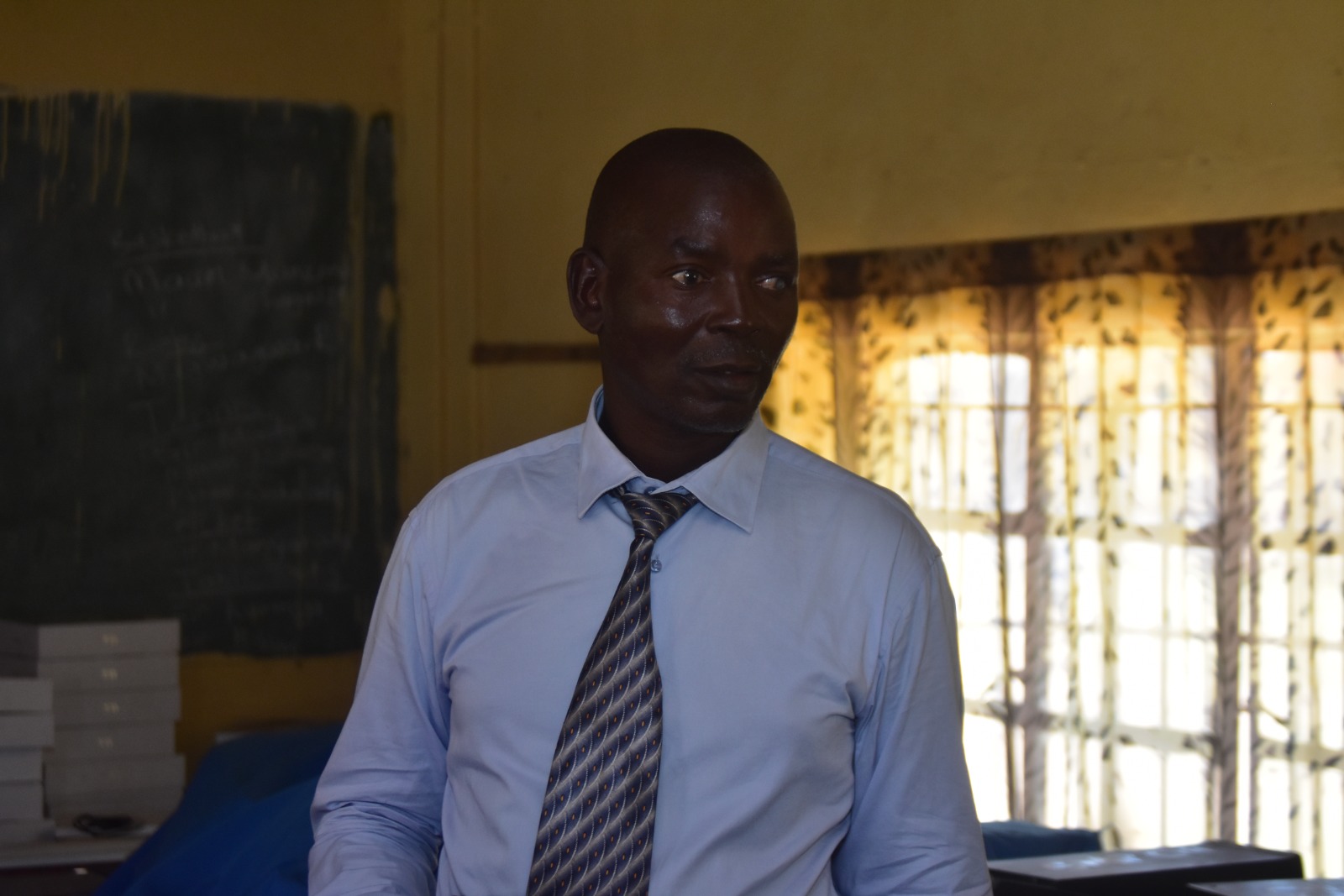
St Michael’s Mambo Primary School, a rural school in Buhera is banking on digital learning to improve learner engagement and double its pass rate, which stood at 37.5 percent last year.
Acting headmaster Denford Basvi said the introduction of laptops, tablets and projectors was expected to improve academic performance at the school, whose previous pass rate was below the national average of 48.49 percent.
“We are expecting a much-improved pass rate. In fact, we are going to double it because of these gadgets. They are now being fully utilised to benefit our learners as they learn from their teachers and independently,” he said.
Basvi said pupils had previously shown limited interest in lessons, but the introduction of digital devices had made classroom activities more engaging.
He said learners were now enthusiastic about using computers and were sharing their experiences with parents and friends.
St Michael’s Mambo received seven projectors, seven laptops and 20 tablets in February through a blended learning initiative led by the Ministry of Primary and Secondary Education (MoPSE) in partnership with UNICEF.
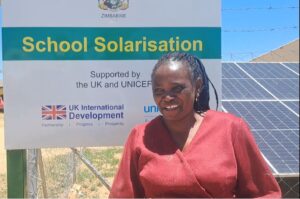
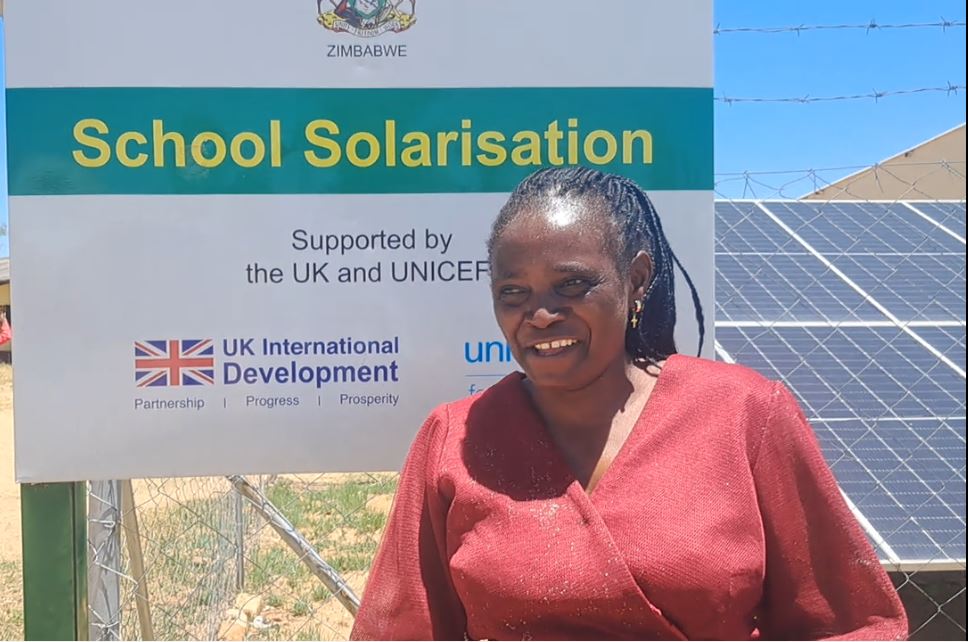
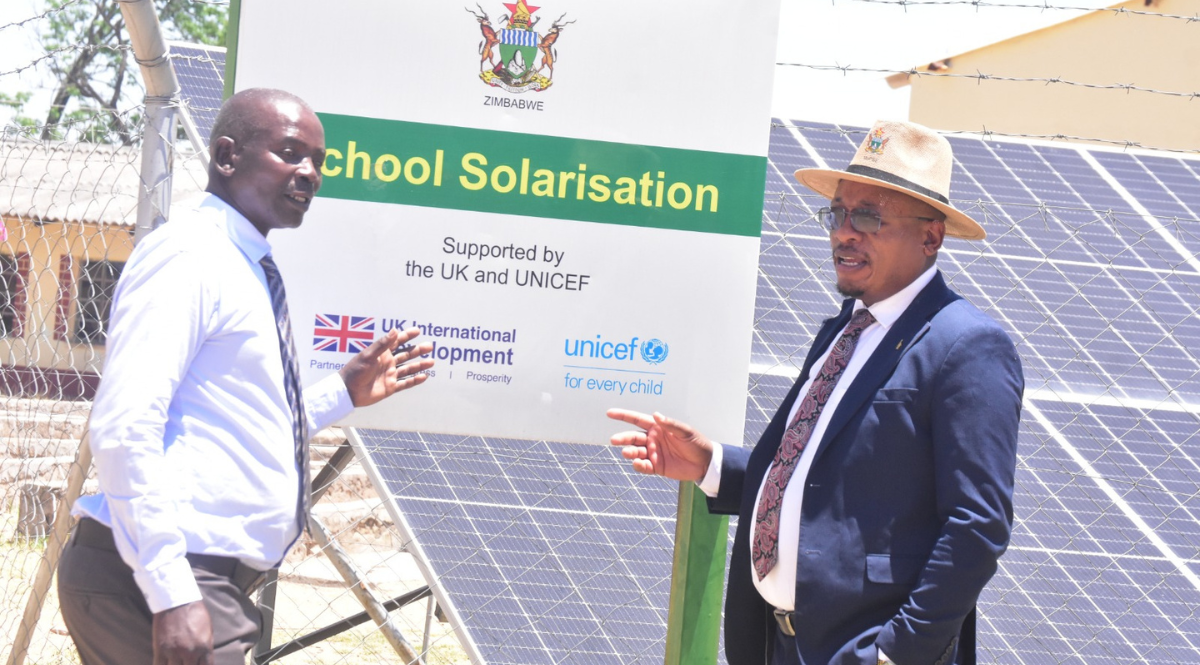
The intervention is funded by the United Kingdom Government through the Foreign, Commonwealth and Development Office (FCDO), under the Teacher Effectiveness and Equitable Access for Children (TEACH) programme. It builds on solar power infrastructure installed at the school with UNICEF support in 2023.
ICT teacher Gresham Manyarara said the devices were changing classroom instruction by allowing pupils to access digital resources and learn independently.
“Children can now learn on their own, they don’t always need my physical presence. I am now working as a facilitator,” he said.
Manyarara said digital content was exposing pupils to subjects and experiences beyond their immediate surroundings, including different modes of transport used in other countries.
The technology is also helping children with disabilities participate more easily in classroom activities.
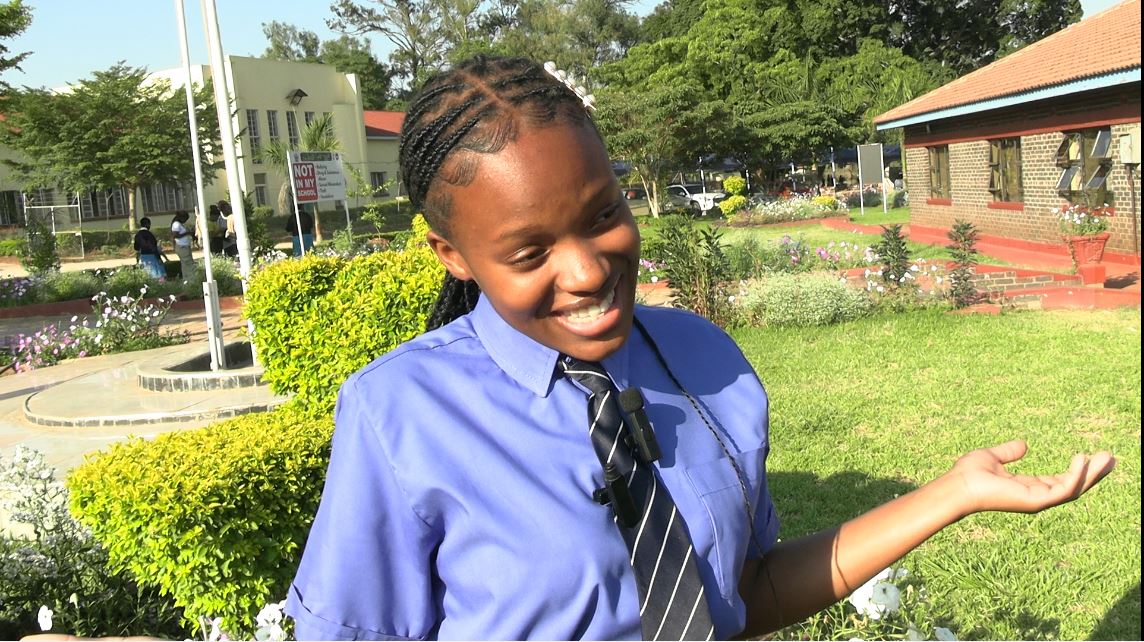
Twelve-year-old Nenyasha Mukomba, a Grade Five pupil, was born with a congenital limb difference affecting her right hand. She said writing classwork had been difficult and exhausting before she started using digital devices.
“Computers and tablets ease my school work because they have keys that are easy to press for typing. Before these gadgets came, it was difficult writing classwork with one hand but now the load has been lifted when writing on the computer,” she said.
Nenyasha said writing by hand often left her tired before lessons ended, making school feel like a burden.
Encouraged by her teachers, her parents bought her a computer in June, allowing her to continue learning at home and revisit digital materials.
“I can learn like everyone else. When I type, I do not have to hold a book and write at the same time. I feel happy when my teacher sends my work back and tells me what I did well and where I need to improve,” she said.
Taungana Ndoro, the Ministry of Primary and Secondary Education’s director of communications and advocacy, said the digital learning initiative was part of a wider government and partner effort to improve access to education.
He said the Government was working with the Ministry of Energy and Power Development, UNICEF and the UK Government to improve electricity access in rural schools, including through solar installations.
Ndoro said more than 8,000 Starlink kits had been distributed to schools, particularly those requiring internet connectivity, out of approximately 12,000 schools nationally.
The Ministry and UNICEF had also developed Learning Passport Zimbabwe, an online platform providing teaching and learning materials from Early Childhood Education and Care to Form Six.
He said the Government was negotiating lower data charges to make the platform more affordable for teachers and pupils.
Ndoro said St Michael’s Mambo demonstrated how digital learning could also improve access to education for children with disabilities.