By Michael Gwarisa
ADDIS ABABA, Ethiopia — African leaders have launched an ambitious continental roadmap to eliminate preventable maternal and newborn deaths, home deliveries and childhood deaths linked to missed vaccinations, as Tanzania reported a dramatic decline in maternal mortality and offered its experience as a model for other countries.
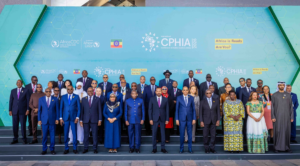
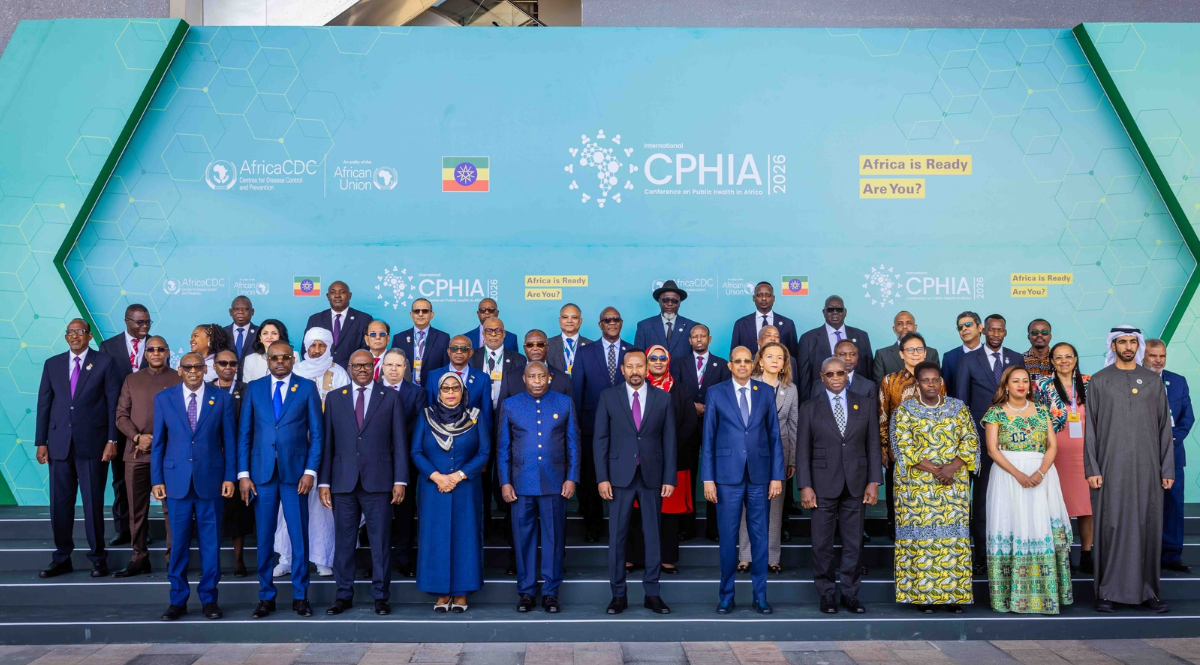
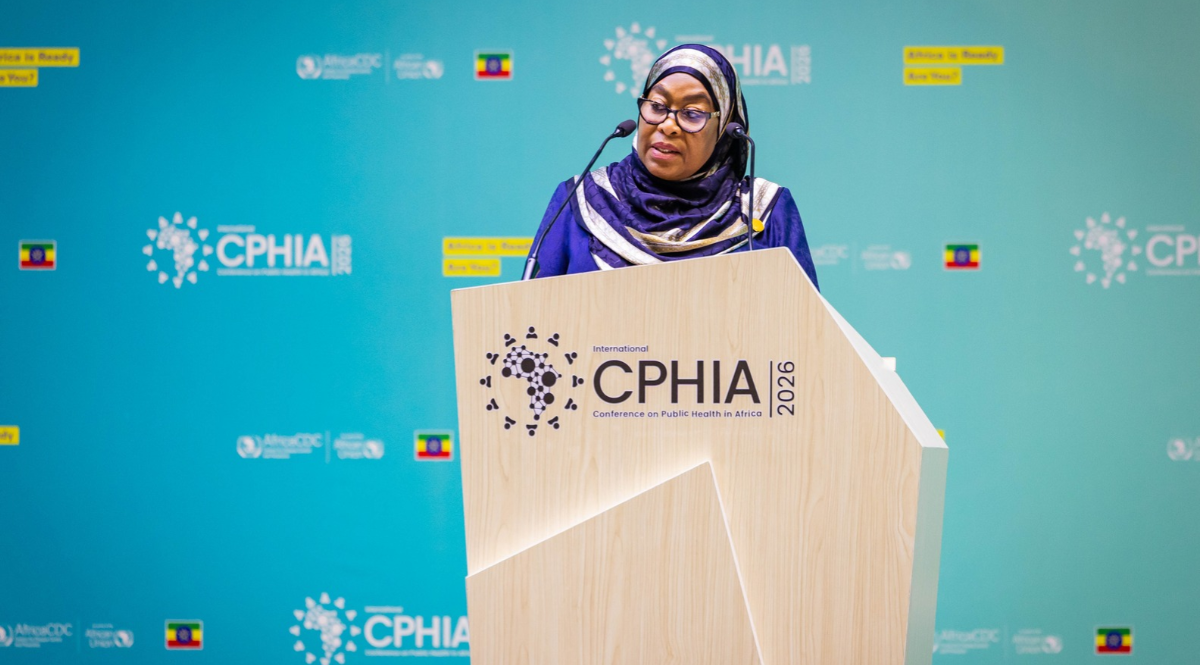
Speaking at the official opening of the fifth International Conference on Public Health in Africa (CPHIA 2026) in Addis Ababa on Monday, Tanzanian President Samia Suluhu Hassan said Africa could not achieve its development ambitions while women, newborns and children continued to die from largely preventable causes.
She said the African Union Champions Continental Roadmap on Reproductive, Maternal, Newborn, Child and Adolescent Health for 2026–2030 was intended to turn political commitments into measurable action across the continent.
The roadmap is built around three targets, known as the “Three Zeros”: zero home deliveries, zero preventable maternal and newborn deaths, and zero unvaccinated children.
“Precisely, the future of Africa depends on the health and well-being of its people,” Hassan told delegates, arguing that protecting mothers, children and young people must remain a fundamental responsibility of African political leadership.
The urgency of the initiative is underscored by the continent’s continuing maternal and newborn mortality burden. Hassan said approximately 180,000 women died from maternal causes in Africa in 2023, equivalent to one maternal death roughly every three minutes, although she cautioned that deaths in rural and underserved communities are frequently undocumented and the actual figure could be higher.
During the same year, an estimated 1.18 million newborns died, representing more than two newborn deaths every minute.
If current trends continue, Africa could still record around 300 maternal deaths per 100,000 live births by 2030, substantially above the Sustainable Development Goal target of fewer than 70 deaths per 100,000 live births.
Hassan said the figures demanded stronger political commitment, sustainable domestic financing and greater accountability from governments.
“The vision of the Africa we want and the Agenda 2063 cannot be achieved while preventable maternal and newborn deaths continue to claim the lives of our people,” she said.
Tanzania offers evidence that progress is possible
Tanzania used the occasion to showcase its own progress in reducing maternal mortality, with Hassan saying the country had brought maternal deaths down from 556 per 100,000 live births in 2019 to 104 in 2023.
She said the progress had been recognised by the Gates Foundation, which awarded Tanzania in 2022 and 2023, an acknowledgement she described as an important motivation for the country to accelerate its efforts.
Hassan said results from a recent survey that she is expected to launch on November 26 indicate that Tanzania has reduced maternal mortality further to approximately 75 deaths per 100,000 live births.
Child mortality has also declined, she said, with deaths among children falling from 63 to 43, although she emphasised that Tanzania’s journey towards health security and sovereignty was still continuing.
The Tanzanian experience, she suggested, demonstrates the importance of sustained political leadership, investment in health systems and national ownership rather than dependence on external interventions alone.
Roadmap seeks to put countries in charge
The roadmap will require African Union member states to integrate the Three Zeros into their national health strategies and designate empowered national focal points responsible for implementation.
Hassan said a high-level dialogue would be convened in Addis Ababa on Tuesday, November 24, bringing together member states and partners to develop practical mechanisms for implementing the roadmap.
The initiative also seeks to address one of the continent’s major constraints: shortages of specialised health workers.
Hassan announced an initial commitment of 60 scholarships for specialist and advanced training in midwifery, anaesthesia, obstetrics and gynaecology, and neonatal care for health professionals from African countries.
The programme will also include competency-based short courses and supervised clinical attachments for nurses, midwives and other mid-level health professionals, with the aim of strengthening emergency obstetric care, anaesthesia, safe deliveries and essential newborn services.
For Tanzania, the push for continental action will extend beyond the CPHIA discussions. Hassan announced that Tanzania will co-host, with Nigeria, the inaugural Women’s Health Africa Summit on December 1, which will focus on political follow-up and accountability for the Three Zeros, while also addressing health workforce development and community-based healthcare.
She also praised initiatives being implemented by African leaders in areas including nutrition, food security, health and livelihoods, arguing that maternal and child health cannot be separated from the broader social and economic conditions in which families live.
The roadmap has received support from the African Union Commission, Africa CDC, UNFPA, WHO, UNICEF, Gavi, the Global Fund, the Global Financing Facility, the Gates Foundation and other partners. But Hassan stressed that external support alone would not determine whether the roadmap succeeds.
She said its real measure of success would ultimately be seen in the lives of ordinary Africans: a mother surviving childbirth, a newborn given a healthy start, a child protected through vaccination and an adolescent given the opportunity to fulfil their potential.
Closing her address, Hassan urged African countries to move beyond declarations and translate commitments into action, calling for stronger national ownership and genuine health sovereignty.
She captured that message in a Kiswahili phrase: “Jiongeze Tuwavushe Salama” — let us go the extra mile to ensure safe motherhood and a healthier future for our children. The challenge now, she said, is to ensure that the commitments made in Addis Ababa become measurable improvements in the lives of Africa’s mothers, children and young people by 2030.