By Kuda Pembere
Private companies have been urged to establish long-term partnerships with rehabilitation centres supporting persons with disabilities to ensure the sustainability of their services and programmes.
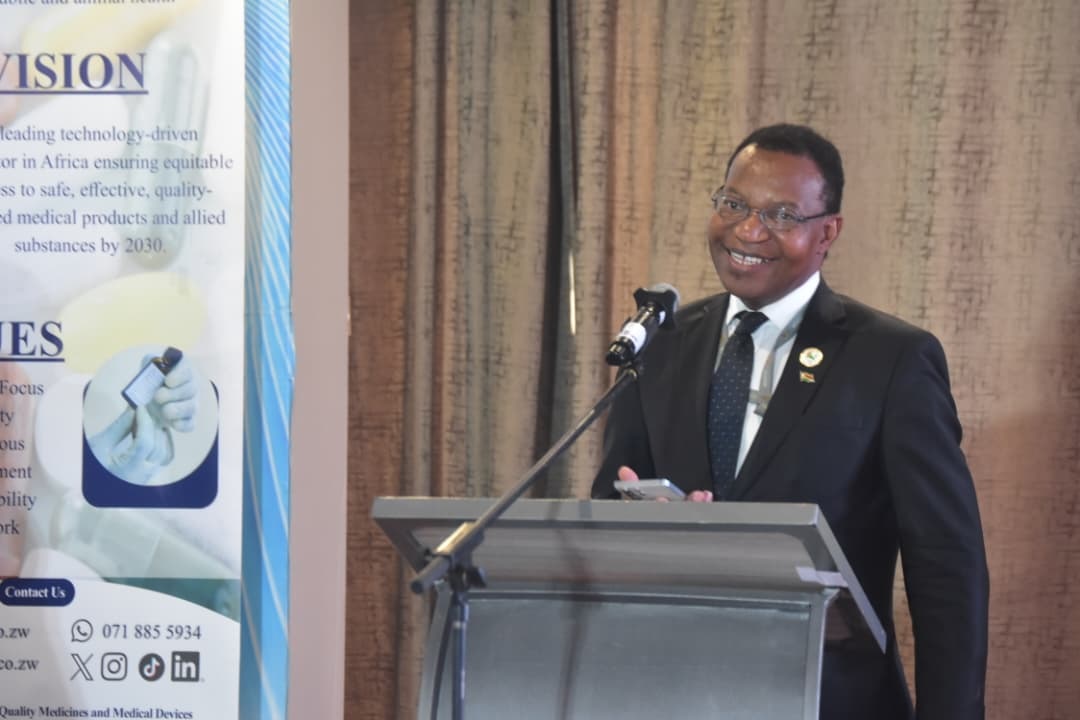
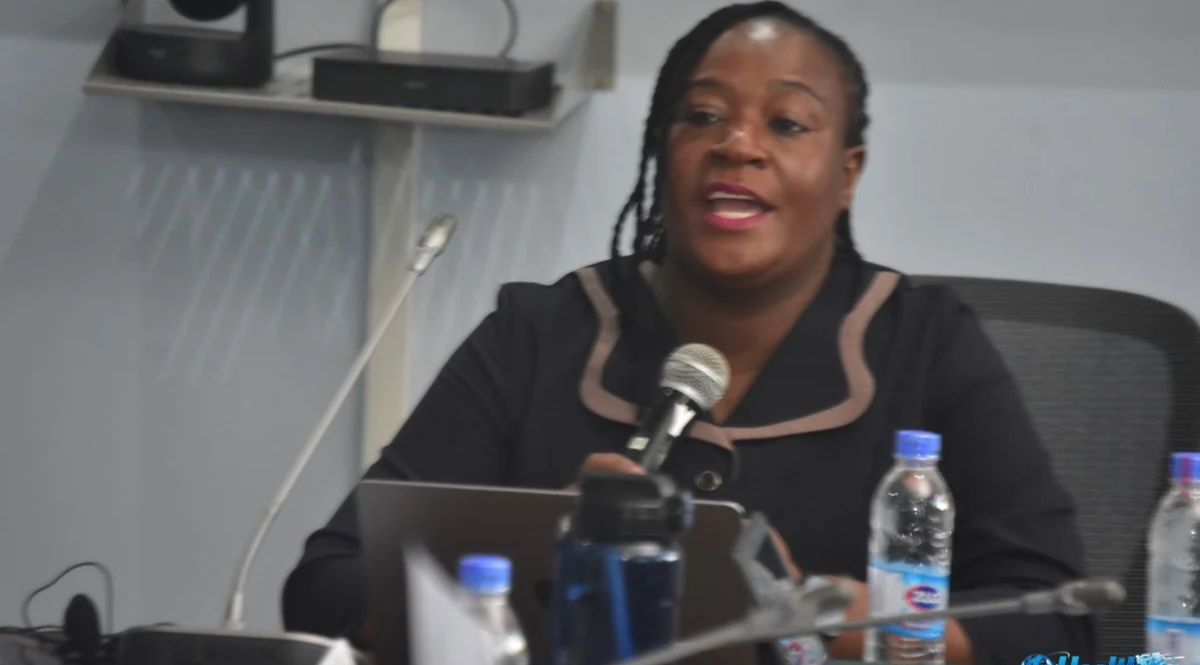
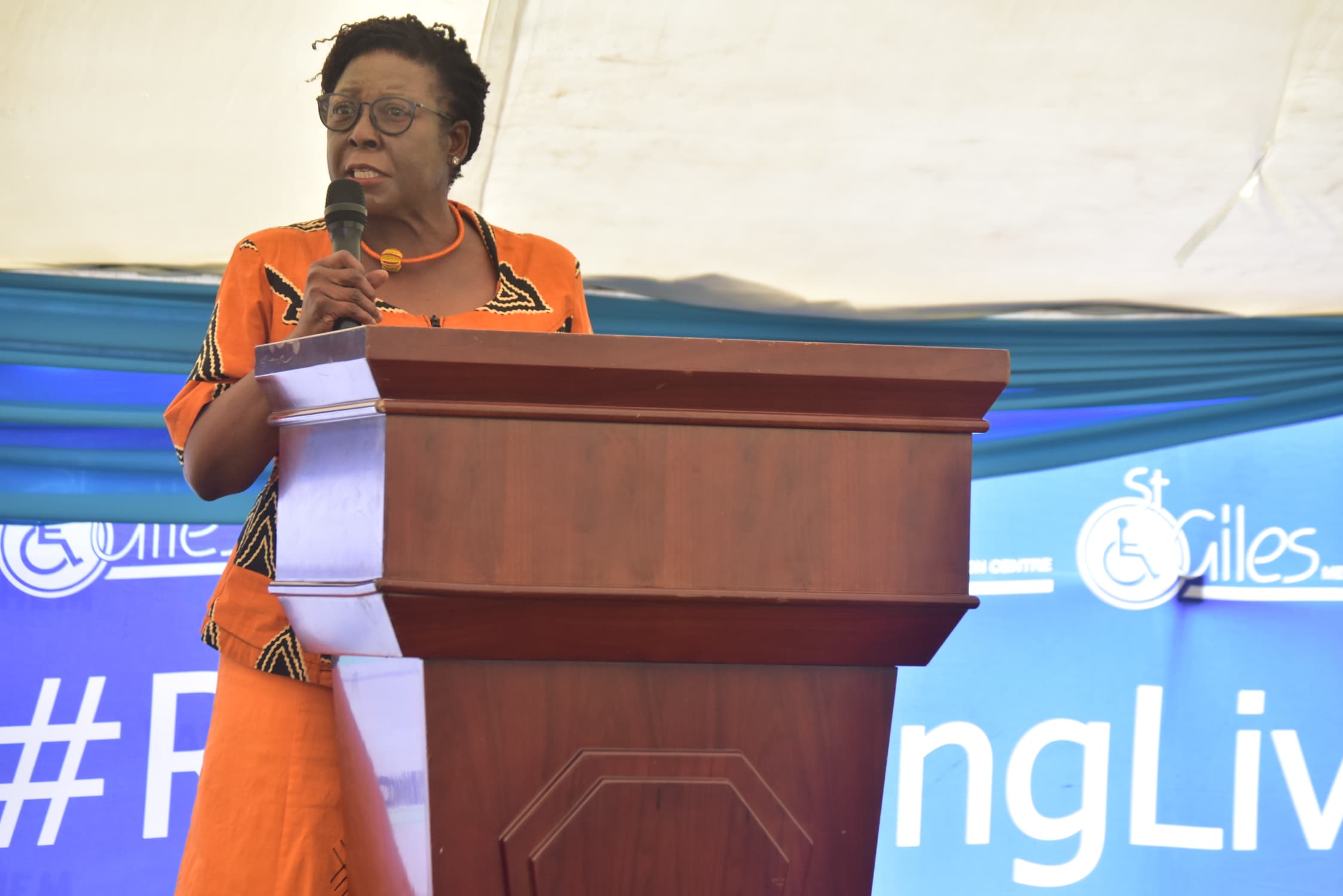
Securico Security Company chief executive officer Dr Divine Ndlukula said corporate support for disability initiatives should go beyond occasional donations and instead provide consistent funding for specialised equipment, medical services and skills development.
Speaking as guest of honour at the International Day of Persons with Disabilities commemorations held at St Giles Rehabilitation Centre on Thursday, Dr Ndlukula challenged businesses to make disability inclusion part of their long-term corporate social responsibility programmes.
“For too long, colleagues, corporate social responsibility around disability has been treated as a once-of-December photo opportunity, a single hamper, a one-day donation, and then silence for the rest of the year,” she said.
“As we are serious about advancing the future, we must move from a once-of-charity to sustainable, long-term partnerships. Rehabilitation centres like St. Giles require predictable multi-year support to maintain specialised equipment, retain scarce medical therapies, and subsidise care for families who cannot afford it.”
She urged companies to adopt rehabilitation centres, fund annual bursaries for assistive devices, support vocational apprenticeships and create employment opportunities for persons with disabilities.
Dr Ndlukula also commended teachers and medical rehabilitation teams at the centre, saying their work required dedication and patience.
“When I was looking at the teachers, the medical therapists, I was just saying, you know, bless them, because you really need a lot of patience. You really need to be a person who’s dedicated, who is committed to the mission of what they are doing here,” she said.
She said meaningful inclusion required a shift from viewing persons with disabilities as recipients of charity to recognising them as citizens entitled to equal rights, dignity and participation in society.
“Under the UN Convention, persons with disabilities are not passive recipients of goodwill. They are equal citizens entitled to dignity, autonomy, and full participation of society,” she said.
Dr Ndlukula said Zimbabwe’s commitment to the United Nations Convention on the Rights of Persons with Disabilities needed to translate into practical improvements in healthcare facilities, schools, workplaces and communities.
She called for the removal of physical, communication and social barriers that continue to limit the participation of persons with disabilities.
“Too often, society focuses on what a person cannot do, rather than creating an environment where they can do what they can do, and that should flourish,” she said.
The commemorations were held under the theme, “Convention on the Rights of Persons with Disabilities: Building on Progress, Advancing the Future”.
Meanwhile, St Giles Rehabilitation Centre is pursuing income-generating projects to improve its financial sustainability and strengthen its capacity to support beneficiaries.
The centre’s board chairperson said it was exploring poultry production as one of its projects, with plans to start rearing chickens by Christmas.
Following the presentation, Dr Ndlukula pledged to donate 500 chickens, together with feed and technical expertise to support the project.