Patricia Mashiri
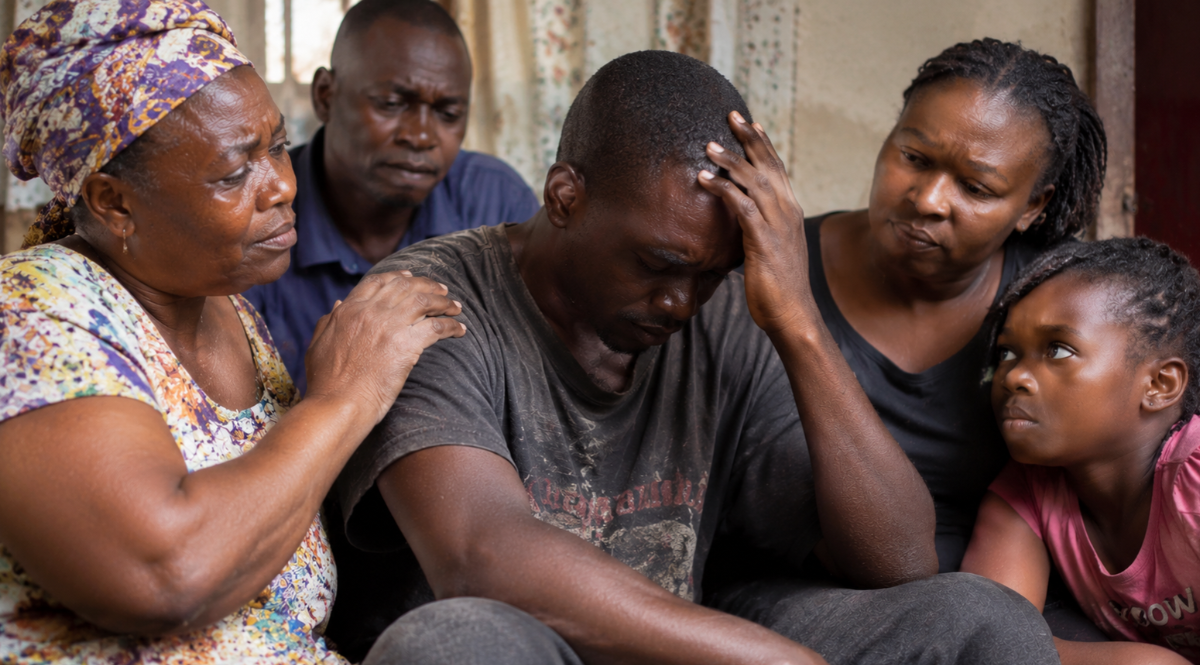
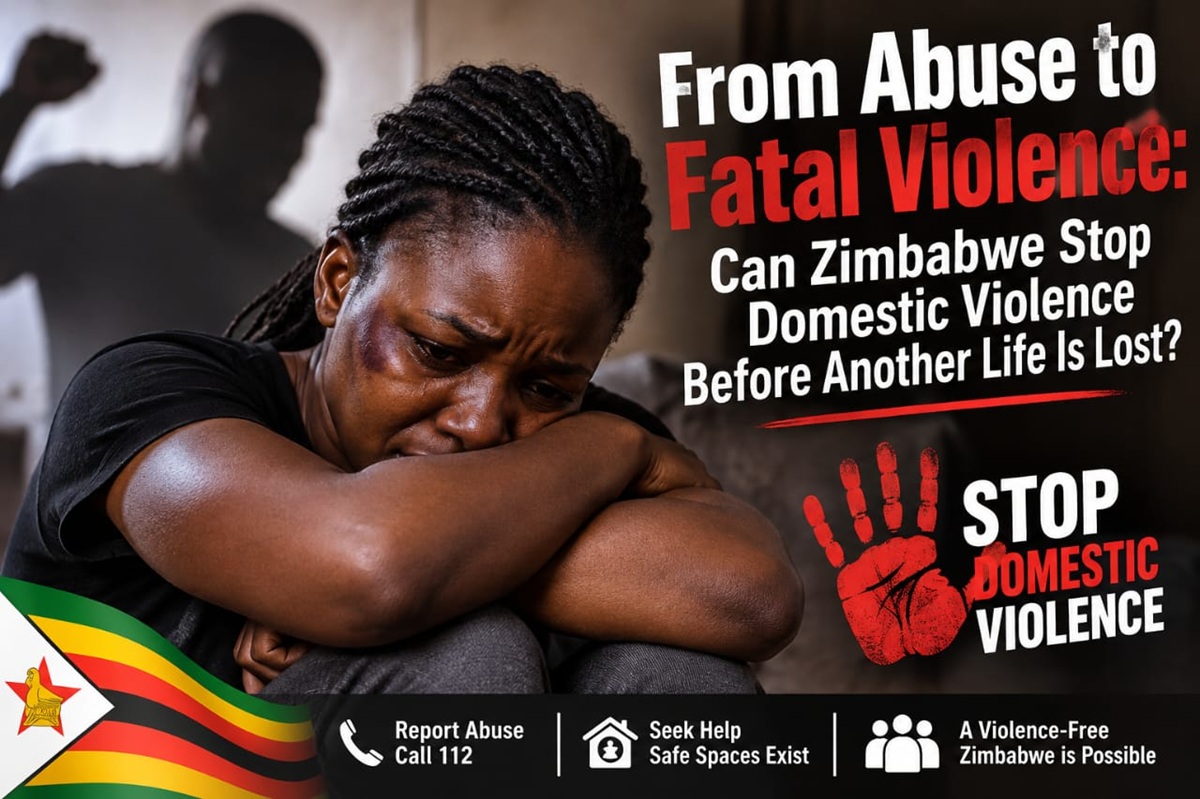
For some women, the danger does not begin with a fatal blow. It starts with threats, controlling behaviour, intimidation and physical abuse that gradually turn their homes into places of fear.
In Zimbabwe, the deaths of women and children linked to gender-based violence in 2026 have renewed concerns about whether existing protection systems are doing enough to identify abuse before it turns fatal.
Figures from the National Prosecuting Authority show that 7,061 sexual and gender-based violence cases were recorded during the first quarter of 2026, with 3,505 involving physical and domestic abuse.
Meanwhile, Shamwari Yemwanasikana reportedly documented at least 13 women and children who died in gender-based violence-related cases between June and September 2026.
Behind these figures are lives lost, children traumatised and families left to grapple with the consequences of violence that, in some cases, may have been preceded by warning signs.
As Zimbabwe reflects on these deaths, the question is no longer simply why domestic violence happens, but whether the country has effective systems to recognise escalating abuse, protect survivors and hold perpetrators accountable before another life is lost.
Domestic violence can develop through a pattern of behaviour that gradually strips victims of their independence, confidence and sense of security. What may initially appear as jealousy or excessive control can escalate into intimidation, threats, physical assault and, in some cases, deadly violence.
For victims, recognising the danger and seeking help is not always straightforward. Concern for children, financial dependence, fear of retaliation, social pressure and the hope that an abusive partner will change can make leaving a violent relationship particularly difficult.
For someone who depends on their partner for accommodation, food and school fees for their children, reporting abuse may also mean confronting uncertainty about how they will survive afterwards.
Speaking to Health Times, Ekenia Chifamba, Shamwari Yemwanasikana director, said the organisation’s documentation of at least 13 women and children who died within four months was deeply concerning.
She said the deaths demonstrated that domestic violence remained a serious protection and human rights issue in Zimbabwe, with violence within homes sometimes escalating to fatal levels and leaving children with devastating consequences.
“It reminds us that domestic violence should never be treated as a private family matter. Reports of abuse, threats and intimidation must be taken seriously, and intervention must happen before lives are lost,” she said.
Chifamba said several circumstances could contribute to the escalation of domestic violence into fatal incidents.
These include relationship conflicts, separation and disputes between intimate partners, jealousy, possessiveness and controlling behaviour, as well as a history of physical abuse, threats and intimidation.
In some cases, victims may be afraid to report abuse or seek help, while children can be caught up in the violence or deliberately targeted. Missed warning signs and delayed intervention can also allow dangerous situations to escalate.
However, she emphasised that these circumstances never justify violence and that responsibility lies with the perpetrator.
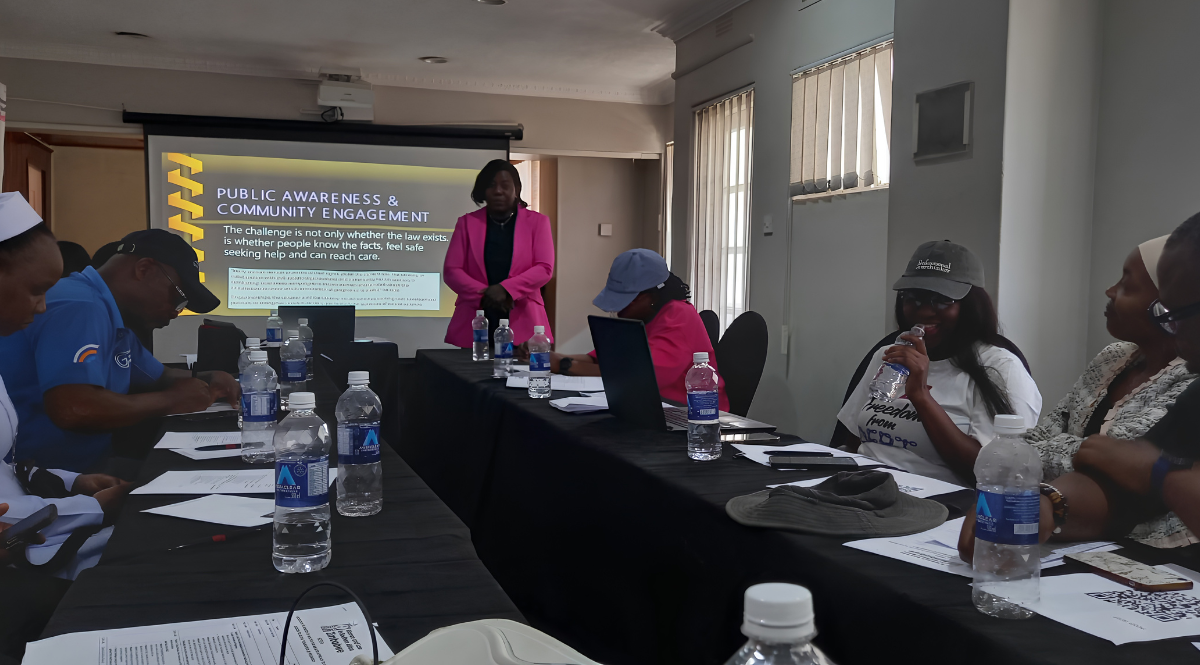
Chifamba called for stronger coordination between the police, hospitals and social workers, arguing that institutions should not operate in isolation when responding to domestic violence.
She said police should respond quickly to reports, assess risks and protect survivors, while hospitals should provide medical treatment, counselling and proper documentation of injuries.
Courts, she added, should ensure timely processing of protection orders and prosecution of perpetrators.
“Government should also strengthen referral systems, improve information sharing between institutions, adequately fund Victim Friendly Units and One Stop Centres, and ensure that every reported high-risk case is followed up.
“Ultimately, we need to move from reacting to domestic violence after lives have been lost to identifying warning signs and intervening early. Protecting women and children must be a shared responsibility,” she said.
The Zimbabwe Republic Police has also acknowledged the continued occurrence of gender-based violence cases, some of which have resulted in fatalities.
However, the police attributed some domestic violence cases to relationship conflicts, including allegations of infidelity and what it described as promiscuity. The police also raised concerns over changing gender roles, arguing that some men struggle to accept women who are no longer submissive, resulting in conflicts between partners.
The deadly incident involving Zimbabwe Human Rights Commission Commissioner Dr Martin Muduva and his wife, Lyliosa Chirara, in Dzivarasekwa Extension in September 2026, highlighted how violent domestic disputes can have devastating consequences.
Dr Muduva died at Parirenyatwa Group of Hospitals following an alleged axe attack by his wife during a domestic dispute. Chirara also died after reportedly ingesting poison.
The circumstances surrounding the incident were subject to police investigations.
The tragedy, which claimed two lives, left their children and families dealing with the devastating consequences of violence within the home.
It also demonstrated that intimate partner violence is not confined to one gender, social class or professional background. Both men and women can experience violence within relationships, while children can become unintended victims of conflicts between their parents.
However, allegations of infidelity, relationship disagreements or changing gender roles should never be treated as justification for violence. The responsibility for violent behaviour rests with the perpetrator.
Beyond the physical injuries, prolonged exposure to abuse can also leave survivors struggling with psychological consequences that make seeking help and leaving dangerous relationships difficult.
Tawanda Karise, a family therapist and counsellor, said prolonged abuse could compromise a victim’s self-perception, emotional functioning and ability to assess risk.
He identified trauma bonding, normalisation of abuse, erosion of self-esteem and constantly monitoring an abuser’s mood as some of the psychological effects experienced by victims.
“Supporting victims requires validation, trauma-informed care, safety assessment and restoration of personal agency. Simply advising someone to leave does not adequately address the psychological, relational and practical barriers involved,” Karise said.
His observations highlight why survivors need more than encouragement to walk away from abusive relationships. They require safe spaces, professional counselling, economic support and protection from further violence.
For women who have nowhere to go or lack financial independence, leaving an abusive partner can mean facing homelessness, food insecurity and uncertainty over their children’s future.
This makes the availability of safe shelters, accessible counselling and economic empowerment programmes critical components of domestic violence prevention.
The role of communities also cannot be overlooked. Relatives, neighbours, friends and community leaders may be among the first to notice repeated threats, physical assaults or controlling behaviour within relationships.
However, responding to abuse requires more than urging victims to leave. Communities need to know how to report suspected violence, connect survivors to professional support and avoid interventions that could expose them to further danger.
As Zimbabwe continues to record deaths linked to gender-based violence, strengthening the country’s response must go beyond awareness campaigns and condemning perpetrators after lives have been lost.
There is a need for systems that take threats seriously, respond promptly to reports of abuse, assess the risk of further violence and ensure survivors have somewhere safe to turn.
The challenge is to ensure that the warning signs are not ignored, victims are not left to navigate the system alone and perpetrators are held accountable. Because by the time domestic violence claims a life, the opportunity to intervene may already have been lost. The real test of Zimbabwe’s response is whether it can recognise the danger and act before another family is left mourning a loved one.