By Michael Gwarisa in Addis Ababa, Ethiopia
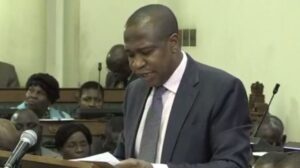
South Africa’s Health Minister Dr Aaron Motsoaledi has put candidates for the next World Health Organisation Director-General on the spot over whether they would have the independence to challenge powerful countries and influential donors when their interests conflict with science, international law and the health needs of member states.
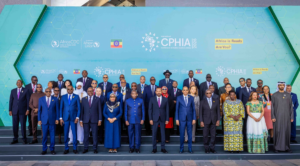
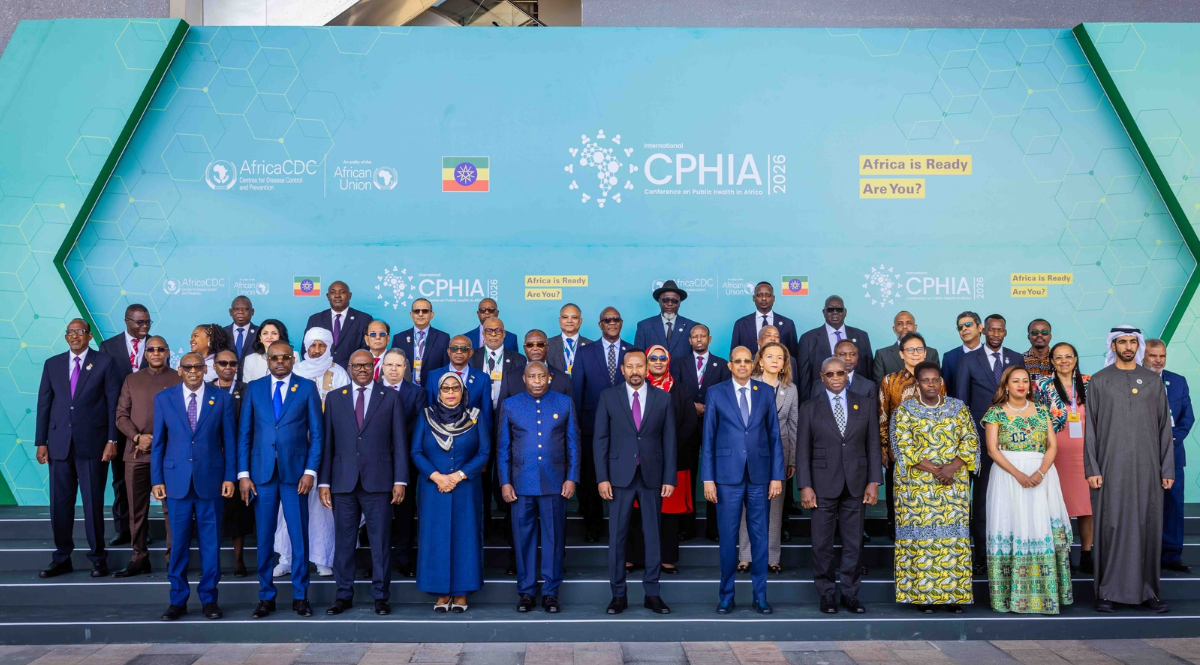
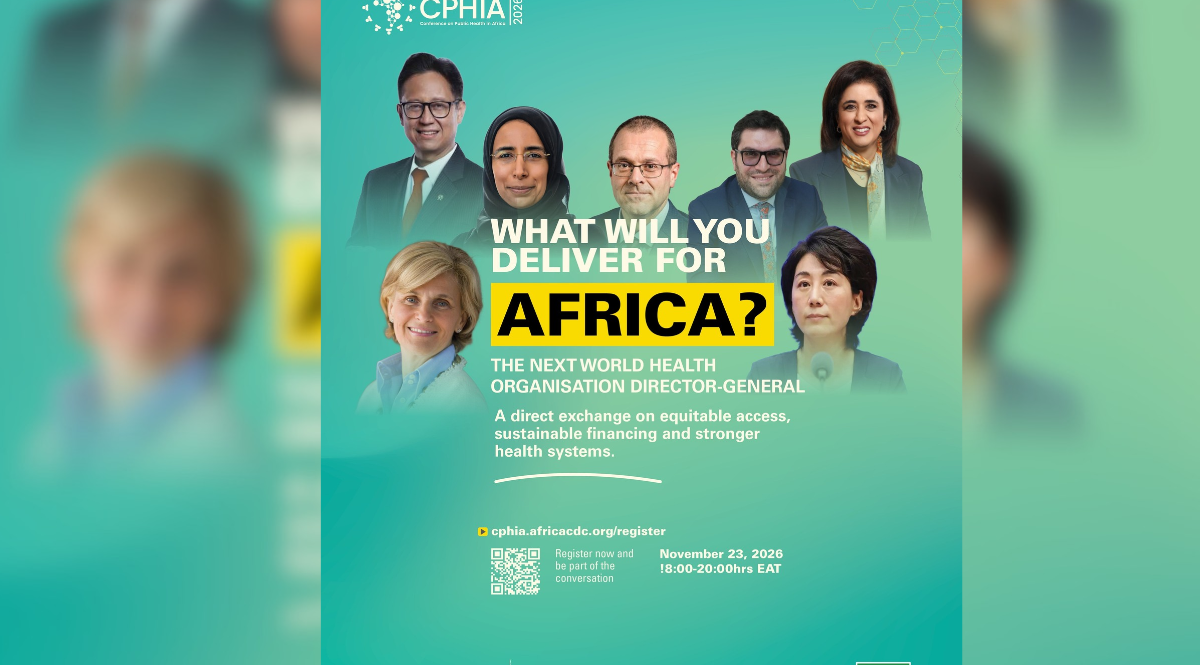
Motsoaledi posed the challenge during a high-level ministerial dialogue with candidates for the WHO’s top job at the fifth International Conference on Public Health in Africa (CPHIA 2026) in Addis Ababa, where the future of global health governance has emerged as a major theme.
He asked the candidates what kind of leadership they would provide to ensure the WHO continued to speak with authority and impartiality in an increasingly divided geopolitical environment, where trust in multilateral institutions is declining and global health priorities are increasingly contested.
“As you know, the next Director-General, who will be one of you here, will assume office at a time of profound geopolitical division,” Motsoaledi said.
He challenged the candidates to explain how they would respond when the interests of powerful countries or influential donors conflicted with public health evidence, international law and the collective interests of WHO member states.
He also asked what commitments they would make to ensure that their leadership remained transparent, independent and accountable to all member states.
The intervention placed Africa’s concerns about the future of global health governance directly before the candidates seeking to lead the organisation, while reinforcing the broader message of CPHIA 2026 that African countries want greater ownership of decisions affecting their health systems and populations.
Africa CDC Director-General Dr Jean Kaseya said the engagement itself represented a shift in how the continent approached global health leadership.
He said African leaders had traditionally travelled to international meetings to participate in decisions, sometimes without sufficient consultation beforehand, but that CPHIA was now providing a platform for candidates for major global health positions to come directly to Africa and explain their visions.
“We are bringing those who are running for this position to share with Africa their vision,” Kaseya said, describing the dialogue as part of the reform of the global health architecture and the continent’s push for health security and sovereignty.
The candidates responded by placing science, transparency, country ownership and accountability at the centre of their leadership pledges.
Dr Hanan Mohammed Al-Kuwari said trust and impartiality had to be demonstrated through action rather than assertions, with transparency allowing member states to understand what WHO recommends and why. She said the organisation must remain guided by science and evidence and represent every member state regardless of size, power or income.
Dr Hans Henri P. Kluge promised to build a “country-first WHO”, arguing that countries facing the greatest challenges should have a stronger voice in global health.
He also warned that the WHO must be prepared to “speak truth to power” when health workers and health facilities come under attack, describing this as a red line for the organisation.
Another candidate, Dr Hanan Balkhy, argued that the authority of the WHO must remain rooted in science, saying its leadership should have a clear vision, competent teams and the ability to withstand pressure while ensuring that public health evidence remains the standard for decision-making.
She pointed to her previous experience dealing with pressure from industry and governments on contentious issues, arguing that dialogue and negotiation were possible, but that scientific evidence and the protection of people’s health should not be compromised.
Indonesia’s Health Minister Budi Gunadi Sadikin offered a more practical vision of how the WHO could support African countries, arguing that the organisation should help countries leapfrog expensive and outdated development pathways by accelerating access to new technologies, financing and local production.
He pointed to advances in molecular testing and artificial intelligence as examples of technologies that could allow African countries to move more quickly towards modern health systems without repeating the same costly path taken by wealthier nations.
Sadikin also called for greater use of the WHO’s convening power to help countries mobilise financing and strengthen vaccine and pharmaceutical manufacturing, including through technology transfer to African countries.
His comments aligned closely with the central message of CPHIA 2026, which is focused on Africa’s health security and sovereignty and the continent’s efforts to reduce dependence on external systems, financing and supply chains.
The WHO leadership contest comes at a time when African countries are pressing for greater influence over global health decisions while confronting persistent inequalities in access to medicines, vaccines, financing, technology and health services.
For Motsoaledi, the question facing the candidates is therefore not simply who can manage the WHO, but whether the next Director-General will have the political independence and authority to defend public health when it comes into conflict with geopolitical interests.
The responses from the candidates offered different approaches, but a common message emerged: the next WHO leadership will have to rebuild trust, demonstrate accountability and ensure that science remains central to global health decision-making.
For Africa, however, the test will extend beyond promises.