
By Michael Gwarisa
Zimbabwe has recorded significant progress in its tuberculosis (TB) response, with TB incidence falling by 24% over the past year, according to the Ministry of Health and Child Care (MoHCC), as the country exits the World Health Organization’s (WHO) global list of the 30 countries with the highest burden of rifampicin-resistant TB (RR-TB).
The development is highlighted in the WHO Global Tuberculosis Report 2026, which introduces new global high-burden country lists for the 2026–2030 period. Zimbabwe was among the 30 countries classified as having a high burden of RR-TB during the 2021–2025 period. However, it is no longer on the new top-30 list for 2026–2030.
Instead, Zimbabwe has been placed on WHO’s RR-TB global watchlist, alongside Bangladesh, Belarus and the Republic of Moldova. The watchlist is intended to maintain attention on countries that have exited the high-burden list but still require continued monitoring and action.
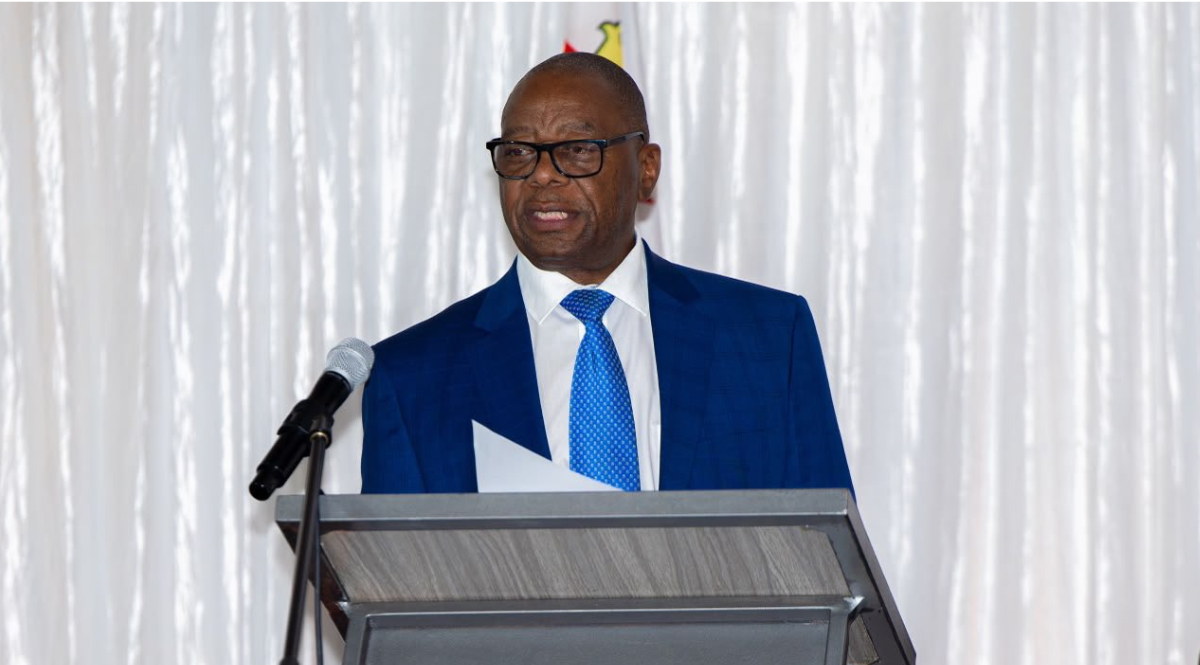
Commenting on the latest developments, Dr Fungayi Kavenga, Director of TB in the Ministry of Health and Child Care, said the decline in TB incidence reflected sustained efforts across the national response.
“Zimbabwe has made significant progress in TB control, with a 24% decline in incidence over the past year, reflecting sustained efforts in TB prevention, diagnosis and treatment,” Dr. Kavenga said.
The progress comes as Zimbabwe continues to strengthen the diagnosis and treatment of TB, including drug-resistant forms of the disease.
Dr. Kavenga said the country’s removal from the global top 30 high RR-TB burden countries was a significant milestone after years of investment in the national response to drug-resistant TB.
“Our exit from the global top 30 high drug-resistant TB burden countries is a major milestone, reflecting years of investment in DR-TB control,” he said.
WHO’s classification does not mean that drug-resistant TB is no longer a concern in Zimbabwe. The country remains on the global RR-TB watchlist for 2026–2030, signalling the need for continued attention to the disease.
The WHO report also categorises Zimbabwe as an endemic TB country, with an estimated TB incidence rate of between 100 and 299 cases per 100,000 population in 2025. Kavhenga said improvements had also been recorded in treatment and diagnosis, with Zimbabwe achieving a 91% treatment success rate and 96% molecular testing coverage.
“With 91% treatment success and 96% molecular testing coverage, Zimbabwe continues to make significant strides in improving TB diagnosis and treatment,” he said.
The figures cited by Dr Kavhenga provide a picture of Zimbabwe’s national performance, while the WHO report provides the international comparison and classification. Globally, the WHO report estimates that 10.6 million people developed TB in 2025, a 0.7% decline from 2024. The global TB incidence rate fell by 1.6%, from 131 to 129 cases per 100,000 population.
WHO also reported that 59% of people newly diagnosed with TB globally were initially tested with a WHO-recommended rapid diagnostic test in 2025, highlighting the importance of Zimbabwe’s reported progress in molecular testing coverage.
Despite the gains, Dr. Kavenga cautioned that significant challenges remain.
“Despite these gains, TB/HIV coinfection, low childhood TB detection and inadequate preventive treatment coverage remain major concerns,” he said.
Childhood TB remains particularly important because children can be more difficult to diagnose using conventional approaches, while missed cases can contribute to ongoing transmission and preventable illness.
Dr. Kavenga said the next phase of Zimbabwe’s TB response would focus on consolidating the gains made while addressing the remaining gaps.
“Our focus under the National TB and Leprosy Strategic Plan 2027–2030 is to consolidate these gains, accelerate childhood TB detection, expand preventive treatment, strengthen TB/HIV integration and ensure that no one and no place is left behind,” he said.
The WHO report shows that Zimbabwe’s progress comes against a broader global backdrop in which TB remains one of the world’s leading infectious disease killers. Although the number of people developing TB globally declined slightly in 2025, the pace of decline remains insufficient to meet the ambitious targets of the End TB Strategy.
For Zimbabwe, the move out of the global top 30 RR-TB burden list represents an important achievement, but the country’s continued placement on the WHO watchlist underscores that the gains will need to be sustained.