
THE Hand-in-Hand initiative is expected to proffer solutions that will enhance mobilization of targeted investments and innovation to transform Zimbabwe’s agri-food sector.
By Kudakwashe Pembere
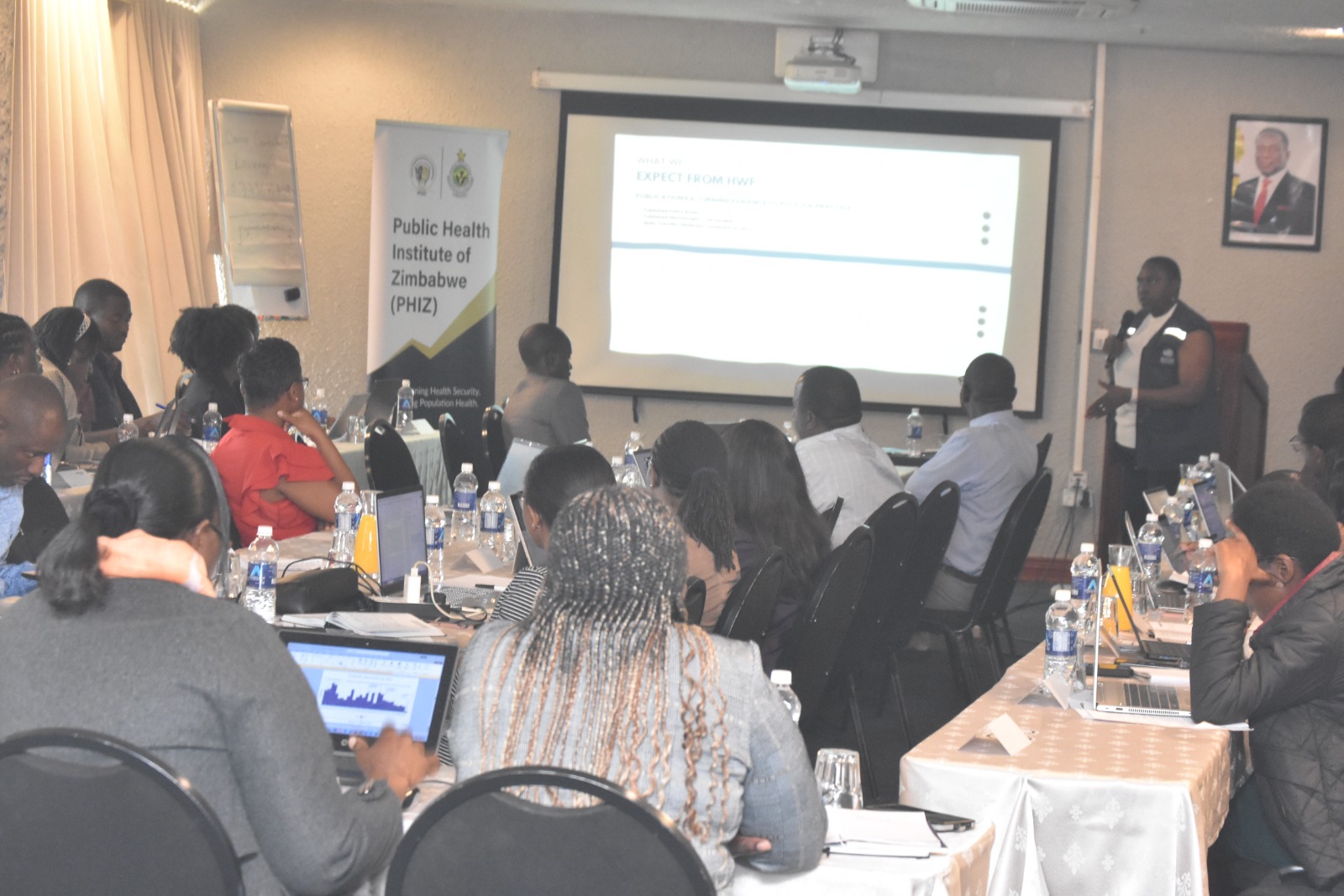
This was said by the Food and Agriculture Organization (FAO) Subregional Coordinator for Southern Africa, FAO Representative for Zimbabwe, Lesotho and eSwatini Dr. Patrice Talla Takoukam on Friday during the last day of the Agrifood Investment Forum.
“The defining characteristics of the Hand-in-Hand Initiative including fostering stronger partnerships, use of advanced data and analytical tools, spatial planning will shape our discussions over the next two and a half days as we deliberate on how to accelerate the mobilization of targeted investments and innovation to transform Zimbabwe’s agri-food sector,” he said.
The Hand-in-Hand (HIH) Initiative supports the implementation of nationally led, ambitious programmes to accelerate agrifood systems transformations by eradicating poverty (SDG1), ending hunger and malnutrition (SDG2), and reducing inequalities (SDG10).
“As we all know, our collective objective is to defeat poverty, hunger and malnutrition and the Hand-in-Hand Initiative provides a valuable framework to contribute to the attainment of this objective. Through facilitation of SDG aligned Investments into Agro-Food Systems, the country is better able to attain its socio-economic objectives as well,” Dr Takoukam said.
With the FAO maintaining its commitment to provide technical support to the Government it recognizes the important role of agriculture in eradicating extreme rural poverty.
“Reaching the very poor requires a profound understanding of what extreme poverty means and how it relates to other challenges.
“It calls for dedicated and integrated actions with many stakeholders, more participatory processes, and the building of long-term and sustainable partnerships of trust to ensure lasting, coordinated actions across sectors,” he said.
During the investment forum, provincial investment plans were presented.
“The detailed provincial investment plans demonstrate there is a plethora of viable investment opportunities and those among us believe capital to invest is locally available. The tools and instruments to better manage risk are available.
“There are low cost, semi-automated and able to measure change in a way that will enable us to navigate including data on climate change, a central barrier to increasing production and productivity. This forum further disseminates these tools and has shown their utility and ability,” he said.
Dr Takoukam also said implementation was critical to bring the objectives of the Initiative into fruition.
“Regional value chains are not to be forgotten and findings have shown them to be inclusive and higher levels of participation among women. New crops have reached Zimbabwe and are produced with the potential for special arbitrage and opportunities for product sophistication.
“I have been following the discussions from the first day and I have observed that everyone concurs about the need to transform agriculture and the food system in Zimbabwe. I never came across a notion advocating status quo. Following the discussions so far, I am sure everyone can attest to the complexities of a food system and the need to have equally advanced tools to address the challenges something I believe Hand in Hand is bringing to the country and to the region,” he said.
Speaking on behalf of the Lands, Agriculture, Fisheries, Water and Rural Development (MoLAFWRD) Ministry’s Permanent Secretary Dr. John Basera, the Ministry’s Chief Director Strategic Planning and Business development Mr Clemence Bwenje said the provincial Investment Plans must provide raw material for developing a robust and Agriculture and Food Systems Transformation Strategy (AFSTS).
“It is important to reflect on the concept, context and philosophy of development, in particular rural development, in Zimbabwe.
“With the current quadri-nature of our agriculture, comprising communal, small holder, large holder and estate agriculture, we must explore each province’s composition of these, and map the landscape for opportunities for development, in each and across these sectors.
“We must identify enablers, causes, co-factors and multipliers of this development in the various sub-sectors,” he said.
The permanent secretary added, “But back to basics. It is agricultural development that will cause rural industrialisation, and we must clearly articulate this nexus in our investment plans. It is rural industrialisation that will cause rural development, and we must illuminate this important link. It is rural development that will be catalytic for the attainment of Vision 2030, and we must show the strong cause-effect relationship, while concurrently persuading everyone to buy into this narrative.”