By Kuda Pembere in Mt Darwin
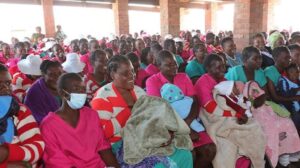
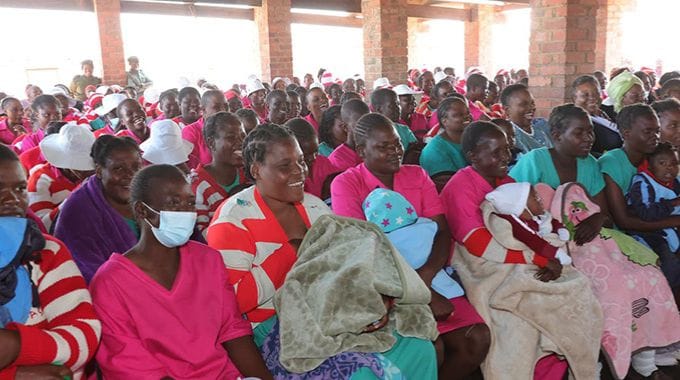
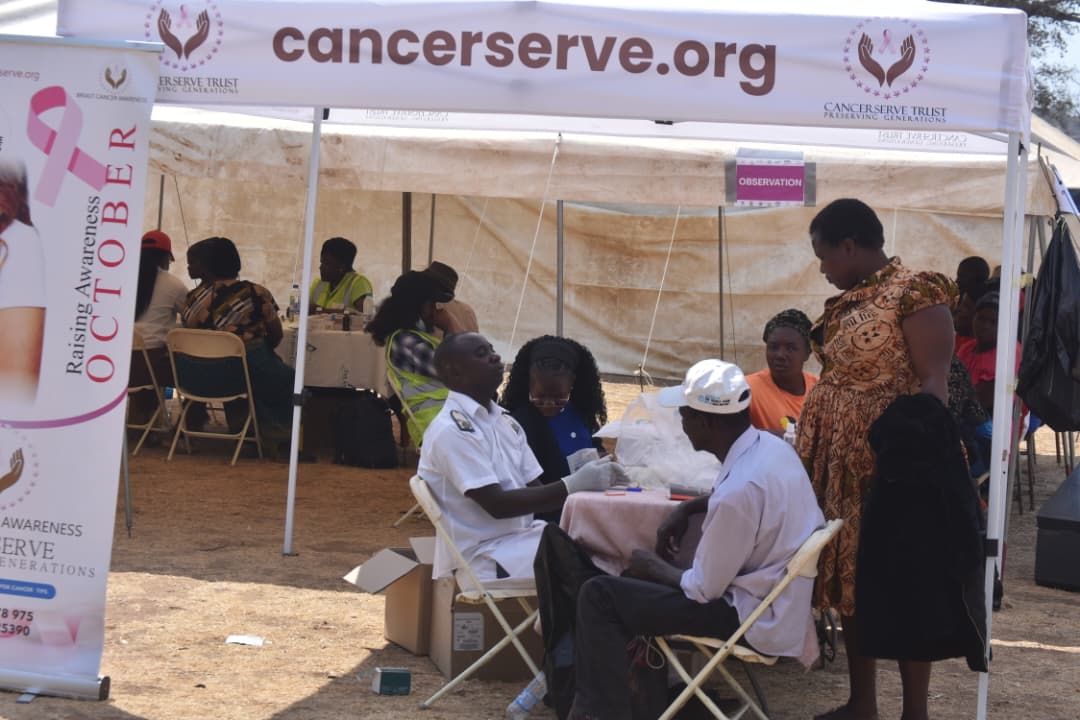
A CancerServe-organised medical outreach at Karanda Mission Hospital reached 267 people on Friday, offering free screening, consultations and other health services, with a strong focus on cancer and other non-communicable diseases.
CancerServe is a private voluntary organisation established to help address gaps in cancer care and the financial barriers that prevent patients from accessing treatment. The organisation works to improve cancer care and support services in Zimbabwe.
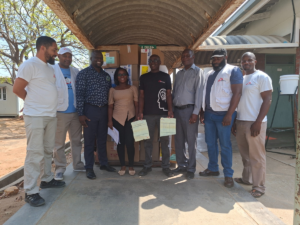
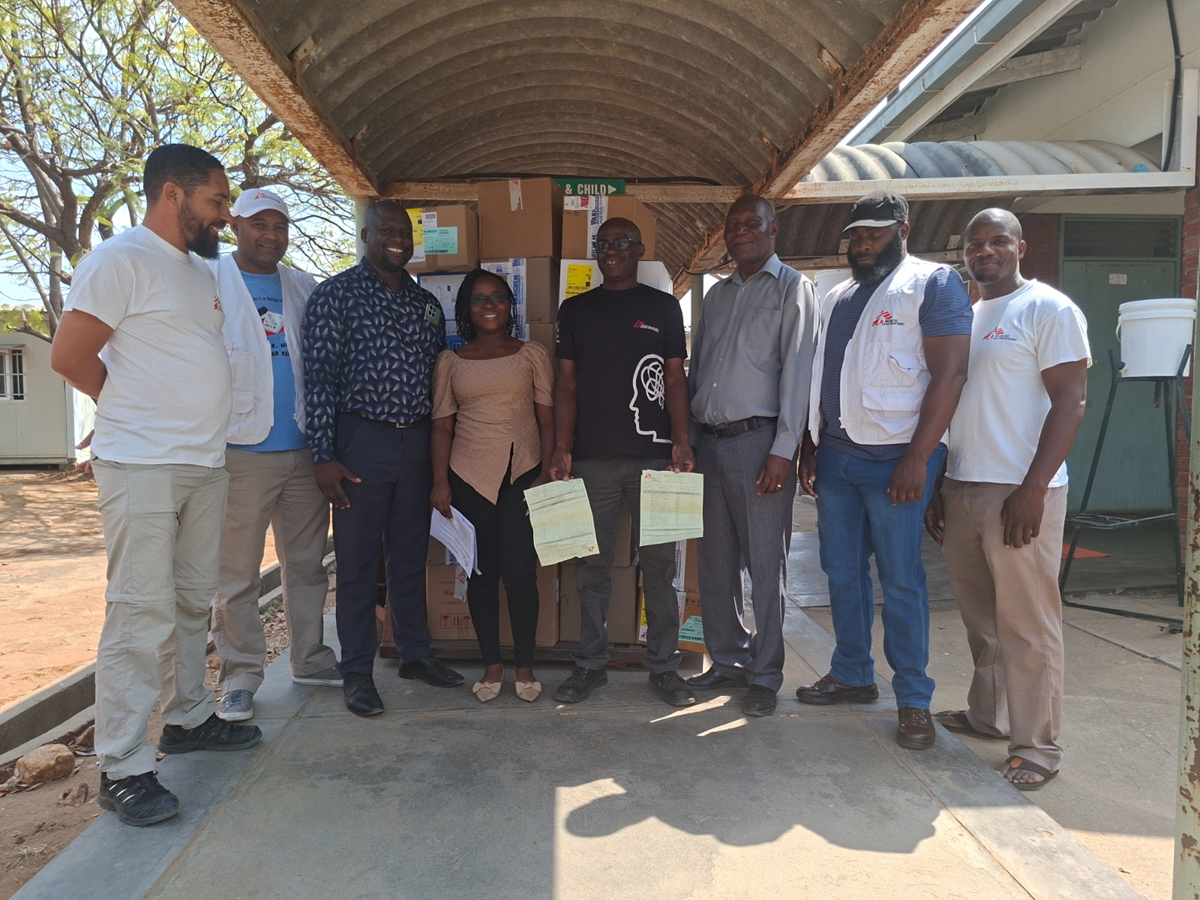
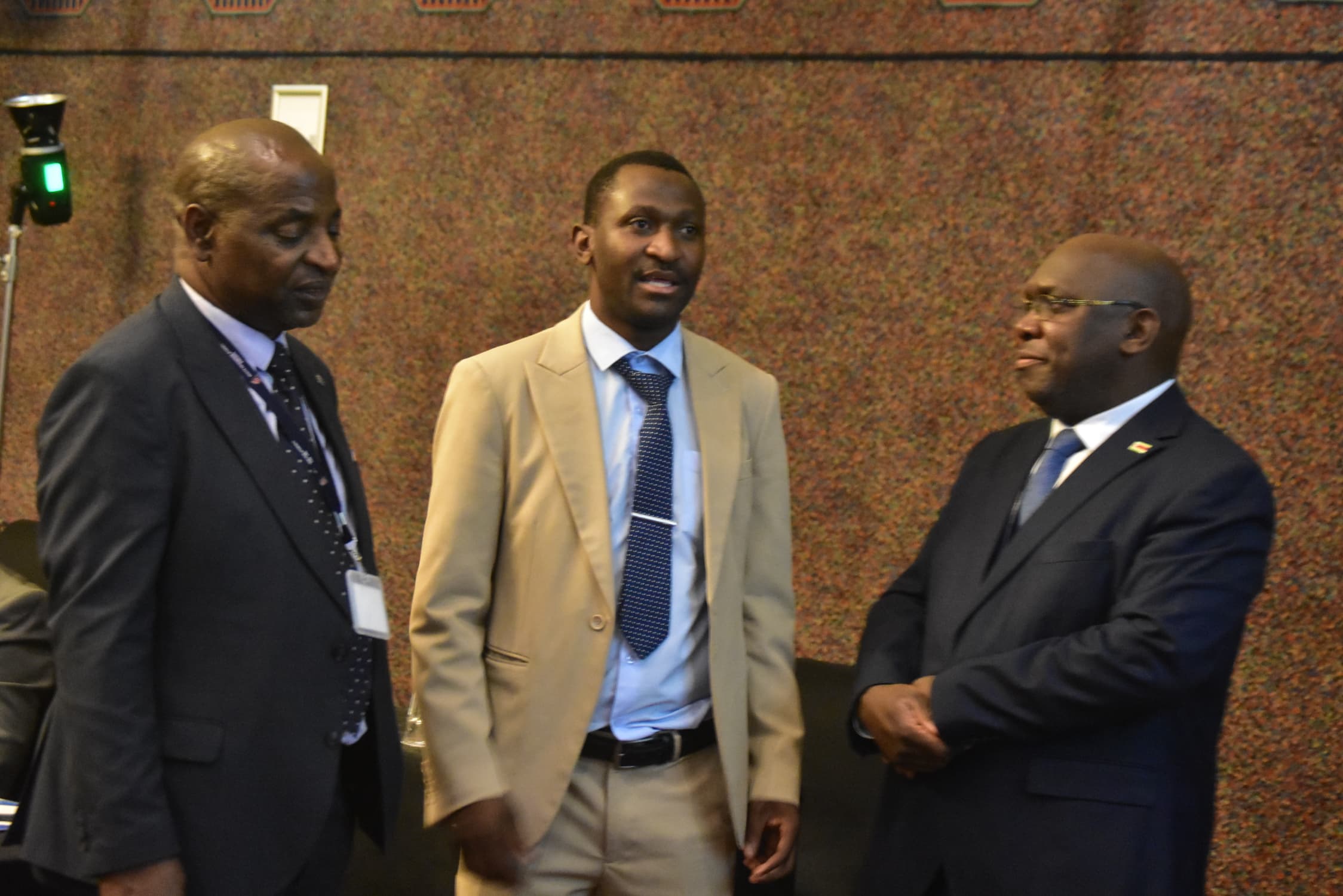
As part of the outreach, CancerServe also donated food hampers, cancer medicines and chemotherapy chairs to Karanda Mission Hospital in Mt Darwin, Mashonaland Central.
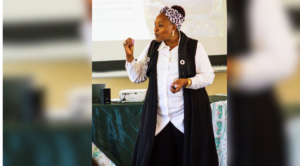
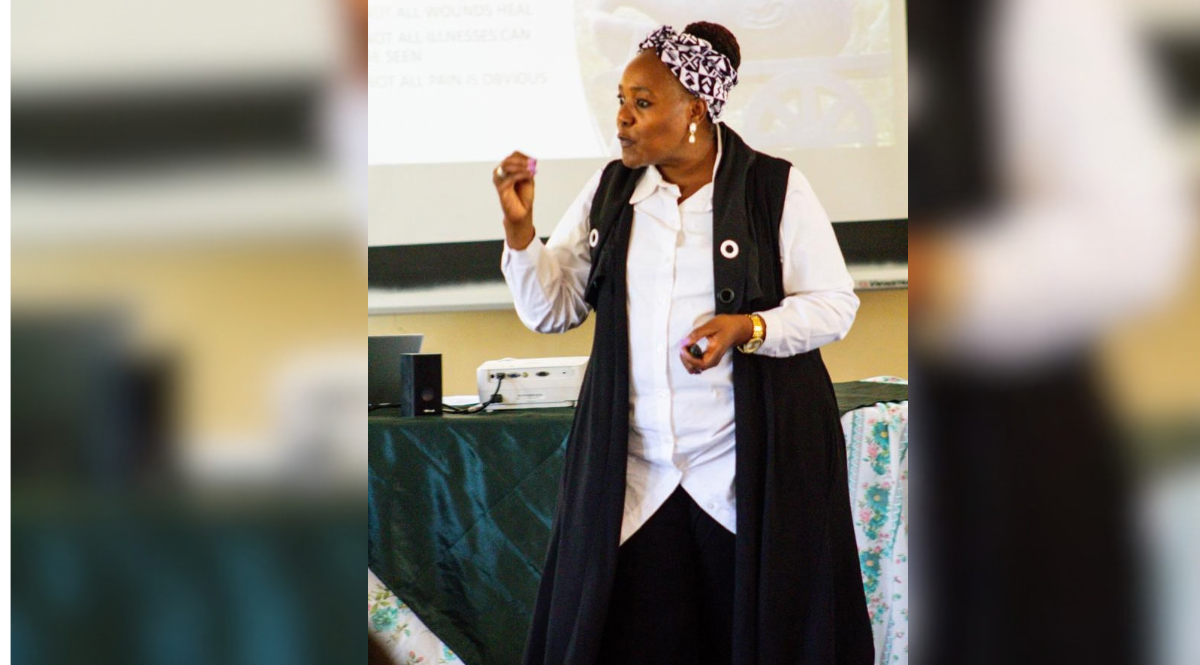
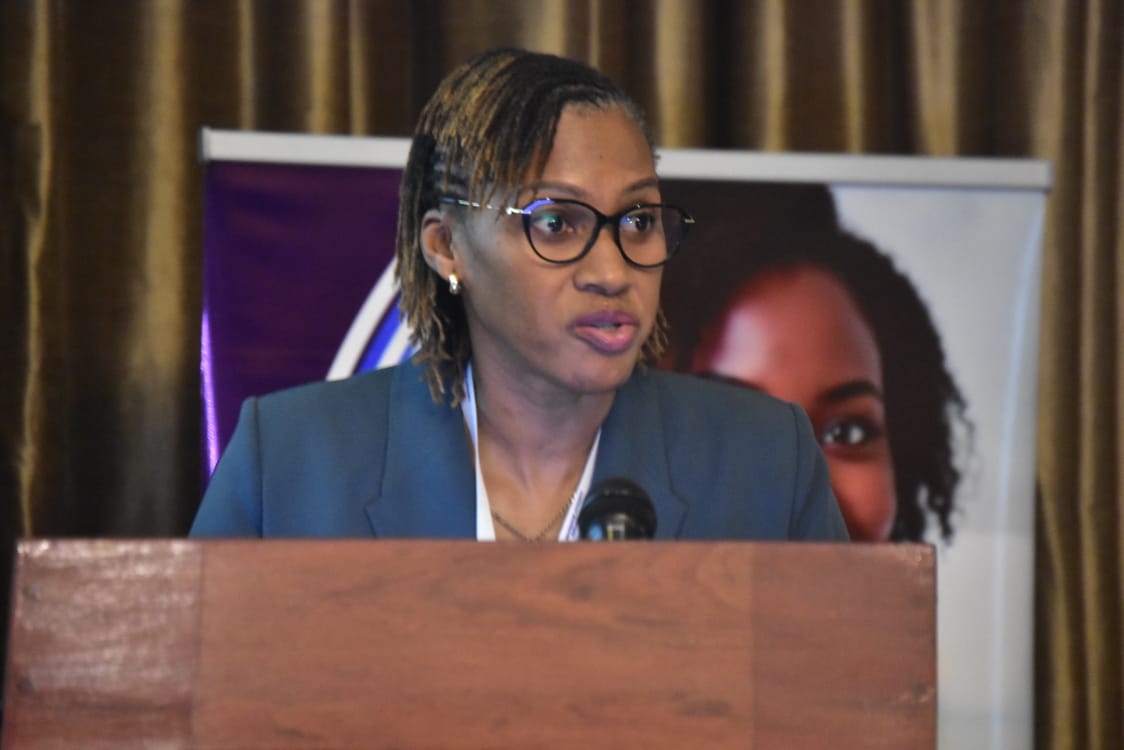
CancerServe founder and clinical oncologist Dr Anna Mary Nyakabau said the response to the outreach demonstrated the need for such services, with some patients travelling from as far away as Gweru and Marondera.
“We are very happy that we were able to come and serve the people around Karanda who attended the outreach. It’s heartening to know that some people came from as far away as Gweru and Marondera, which shows that this is something that is absolutely necessary,” Dr Nyakabau said.
“So far, we can afford to do this at least once a year. However, if resources permit, we would like to do it more often.”
She said the 267 people who attended received a range of services, including cancer awareness, screening and medical consultations.
“This outreach reached 267 people. The majority received cancer awareness, where we talked to them about cancer, while others had their blood pressure and blood sugar levels checked, as well as prostate-specific antigen testing and cervical screening. We also provided screening services for other non-communicable diseases,” she said.
“It was not limited to cancer. We also examined and consulted patients, while radiologists conducted ultrasound scans.”
Dr Nyakabau said patients requiring further treatment, including surgery, would be followed up by specialists.
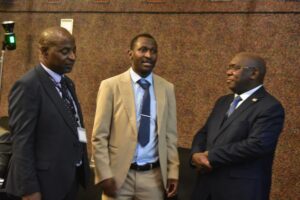
“Fortunately for us, there are some surgeons led by Mr Wazara who are going to follow up and see patients who need surgical intervention. We also have various professionals who make the journey to Karanda to work alongside the hospital staff,” she said.
The outreach also provided psychosocial support, with Dr Nyakabau noting a significant number of men seeking assistance.
“I think that interaction, sharing of ideas and helping each other in managing patients is absolutely necessary. This is in line with the multidisciplinary management of patients,” she said.
“The patients were very grateful, and it was also heartening to hear them thanking us for coming. Sometimes, even when we may not be able to do much, simply talking to them can mean a lot.”
Dr Nyakabau said the participation of psychosocial support providers was particularly important, noting that many men were willing to seek help.
“One thing that really touched me is the fact that I saw more men seeking psychosocial support, which means the message is getting out there,” she said.
“I think the suicide rate among men is high, and they were really willing to accept help. I would like to say Second Chance was really instrumental and necessary for this outreach, and we thank them for availing themselves because psychosocial support is very important.”
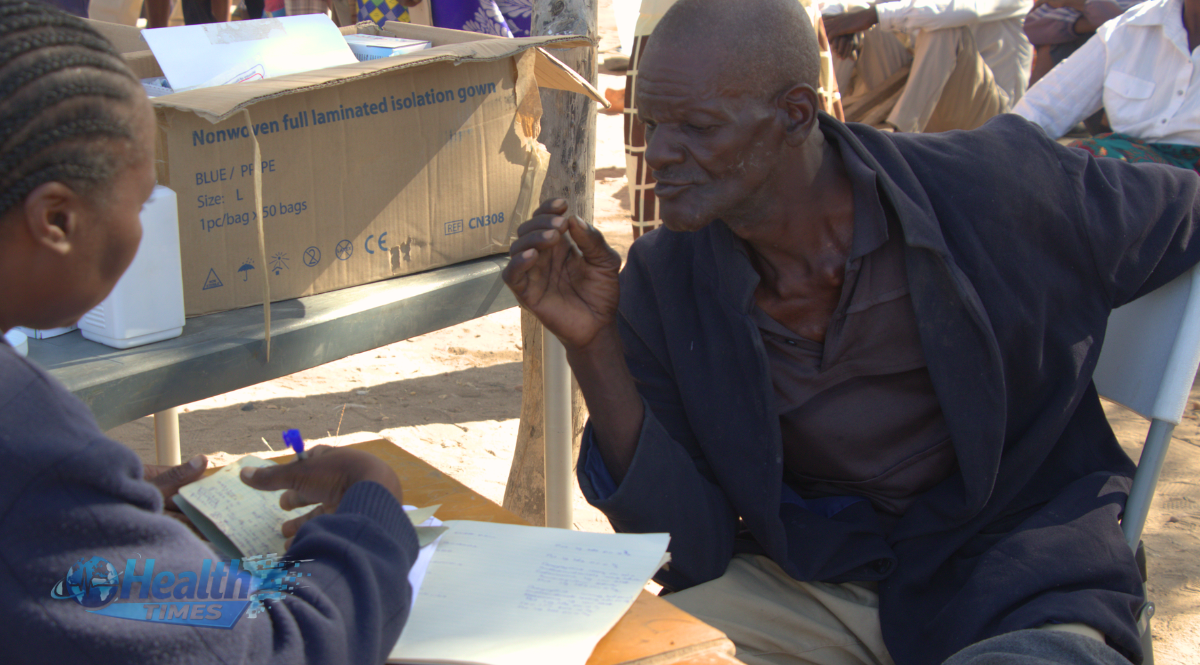
For some patients, the outreach provided an opportunity to access basic screening services that they might otherwise struggle to afford.
Mr Chinyanga, who travelled from Marondera, said he was grateful to receive the services free of charge.
“They checked my blood pressure, blood sugar and prostate for signs of prostate cancer. I am 57, and for now, they found that I do not have prostate cancer. Regular screening is important, and I encourage men to get checked once they reach the age of 40,” he said.
Karanda Hospital medical director Dr Paul Thistle commended CancerServe and its partners for bringing the services to the community.