By Kuda Pembere
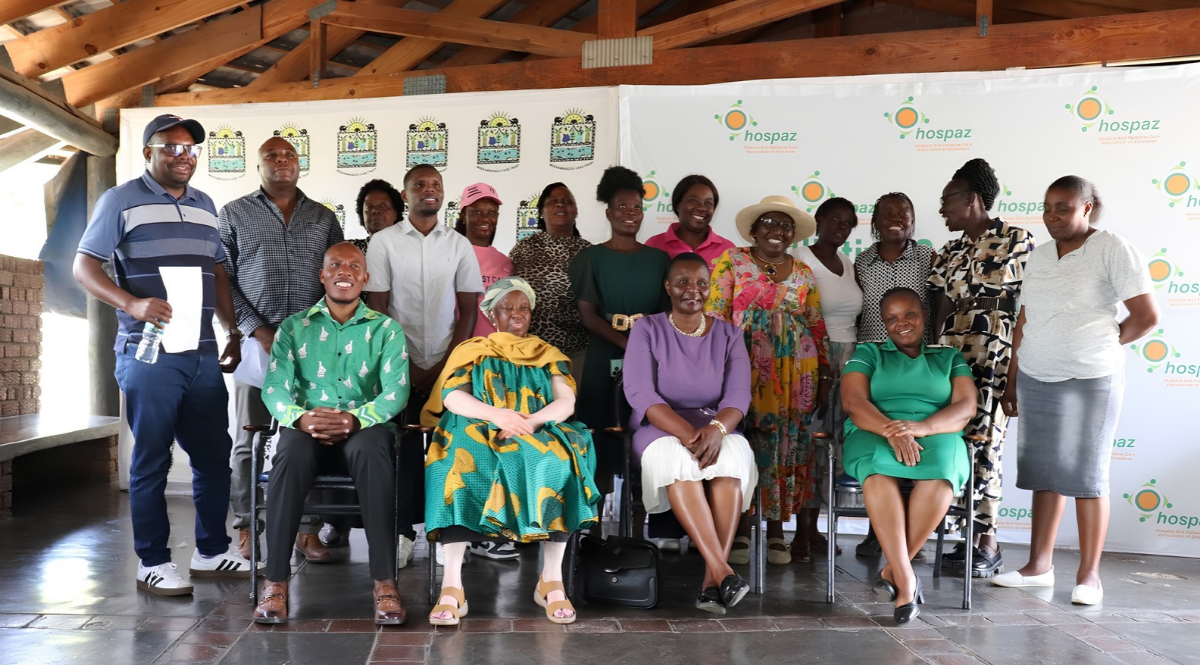
The Hospice and Palliative Care Association of Zimbabwe (HOSPAZ) and Mashambanzou Care Trust last Friday jointly commemorated World Hospice and Palliative Care Day 2026, with stakeholders calling for the expansion of palliative care services to rural and hard-to-reach communities.
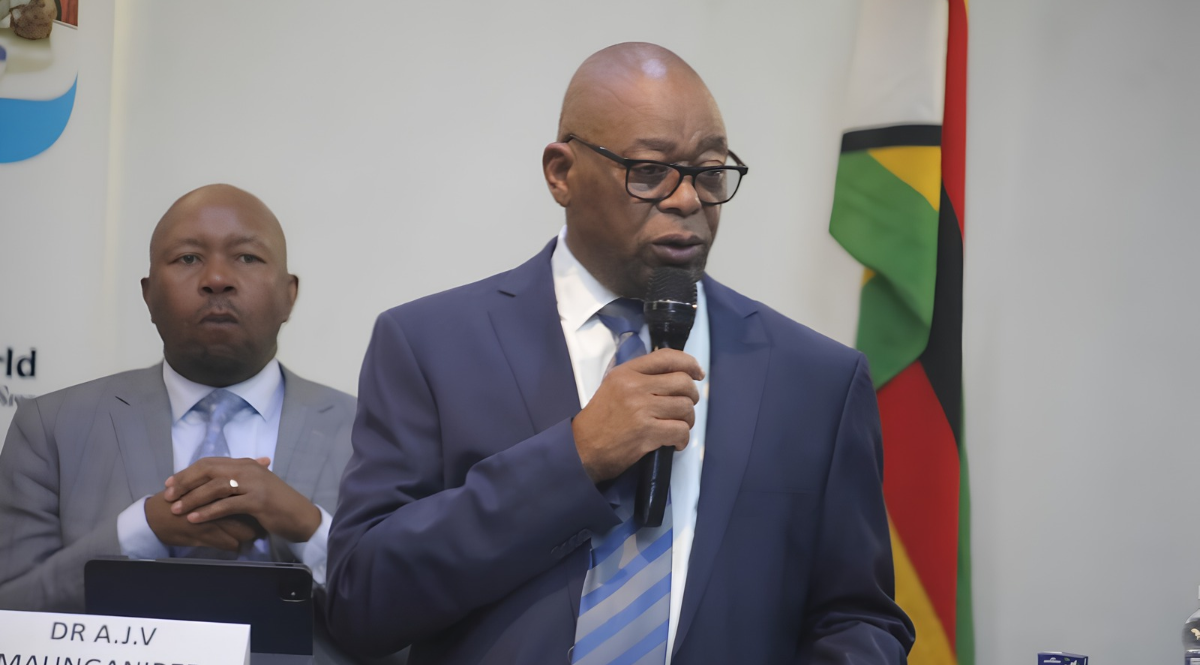
Speaking at the event, Acting Director of Nursing Services in the Ministry of Health and Child Care, Mrs Emma Tshuma, said Government had made commitments to improve palliative care through the adoption of the National Palliative Care Policy in 2014, training programmes and partnerships with hospices and other organisations.
However, she said implementation needed to be strengthened to ensure services reached underserved communities.
“Priorities remain stronger policy implementation, reliable access to essential medicines including oral morphine; workforce training and mentorship; effective referrals linking hospitals, equitable rural and mission hospital services and sustainable financing,” she said in a speech read on her behalf.
Chiwara said palliative care should reach people in the most remote communities, rather than remain concentrated in towns and major health facilities.
“We need to extend services through public, district and mission hospitals, linking facility-based, home-based and community care through appropriate referrals,” she said.
Guruve North legislator Tendai Pinduka said Zimbabwe had made progress by adopting the national policy but needed to address gaps between its provisions and implementation.
He said palliative care should be available from primary healthcare facilities and clinics through to district and central hospitals.
“Since 2014, that is where we had our policy made. But however, in terms of its implementation, I think that is where we need to tighten the screws,” Pinduka said.
He called for a coordinated response involving Government, Parliament, civil society organisations and development partners, rather than shifting responsibility among institutions.
Pinduka also urged authorities to ensure that people in rural areas and communities on the outskirts of towns had access to palliative care comparable to that available in urban centres.
HOSPAZ executive director Shupikai Chisero, in a speech read on his behalf, commended Government for adopting the National Palliative Care Policy but said more needed to be done to translate its commitments into accessible services.
“Zimbabwe has made important strides in recognising the value of palliative care, including the development of the National Palliative Care Policy in 2014. However, we must continue working together to ensure that policy commitments translate into services that people can access when and where they need them,” he said.
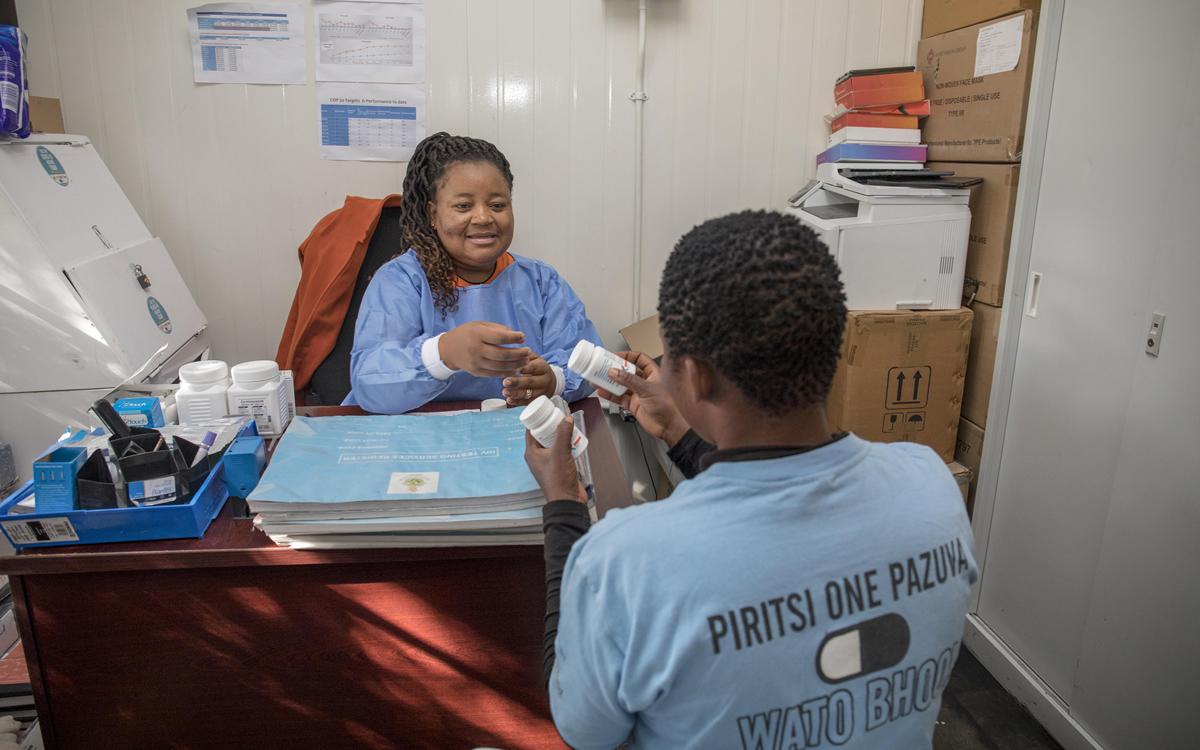
Chisero identified the availability of pain-relieving medicines, shortages of trained personnel, limited rural coverage and inadequate funding as some of the challenges affecting palliative care delivery.
He said access to pain relief should be treated as an essential component of healthcare, supported by appropriate prescribing practices, professional training, responsible medicine management and reliable supply systems.
“For a patient experiencing severe pain, the availability of appropriate medicine can mean the difference between prolonged suffering and comfort,” he said.
Mashambanzou Care Trust executive director Enock Musungwini said palliative care needed to be integrated into primary healthcare rather than being treated as a specialised service available mainly at central hospitals.
He called for community nurses, primary care nurses and clinic staff to receive training in basic palliative care so that patients could access support closer to where they lived.
“We need to make sure that palliative care is mainstreamed within primary health care services, so that we don’t only get palliative care when we are in the central hospitals, when we are in these specialised units,” Musungwini said.
He said advocacy by Mashambanzou Care Trust, working through the HOSPAZ network, was also important in ensuring that Government gave palliative care greater attention.
Musungwini said the services should be accorded the same importance as other components of primary healthcare, including maternal and child health.
He added that palliative care was about ensuring that people living with chronic and life-limiting conditions received support tailored to their individual needs.
“Even if some people’s body is going to die one day, let’s allow people to die with dignity, with respect, surrounded by their loved ones,” he said.
Musungwini said patients should not be subjected to a one-size-fits-all approach, but should receive care based on their particular circumstances and needs.
Lloyd Sinandima, the National AIDS Council’s Harare Southern District AIDS Coordinator, said the organisation remained committed to working with Mashambanzou Care Trust, HOSPAZ, the Ministry of Health and other partners to strengthen referral systems and improve access to essential medicines.
He said the need for palliative care remained significant, particularly as people lived longer with HIV and other chronic conditions.
“In 2024, Zimbabwe recorded 25,125 new cancer cases and 16,378 cancer deaths. At the same time, our HIV response has made strong progress: 96.7 per cent of adults living with HIV are on treatment, and 99 per cent of those on treatment are virally suppressed,” Sinandima said.
He said an estimated 120,000 people in Zimbabwe died each year with severe suffering requiring palliative care, while access to pain-relieving medicines remained limited.
“Behind every statistic is a mother, father, child, or elderly person who deserves not to suffer unnecessarily,” he said.