By Michael Gwarisa
Zimbabwe has launched a partnership with global pharmaceutical company Pfizer to improve access to medicines and vaccines, as government seeks to address persistent shortages in public health facilities.
The collaboration follows the signing of a memorandum of understanding (MoU) between the Government of Zimbabwe and Pfizer in February 2026 under the pharmaceutical company’s Accord for a Healthier World initiative, which seeks to expand access to medicines and vaccines in lower-income countries.
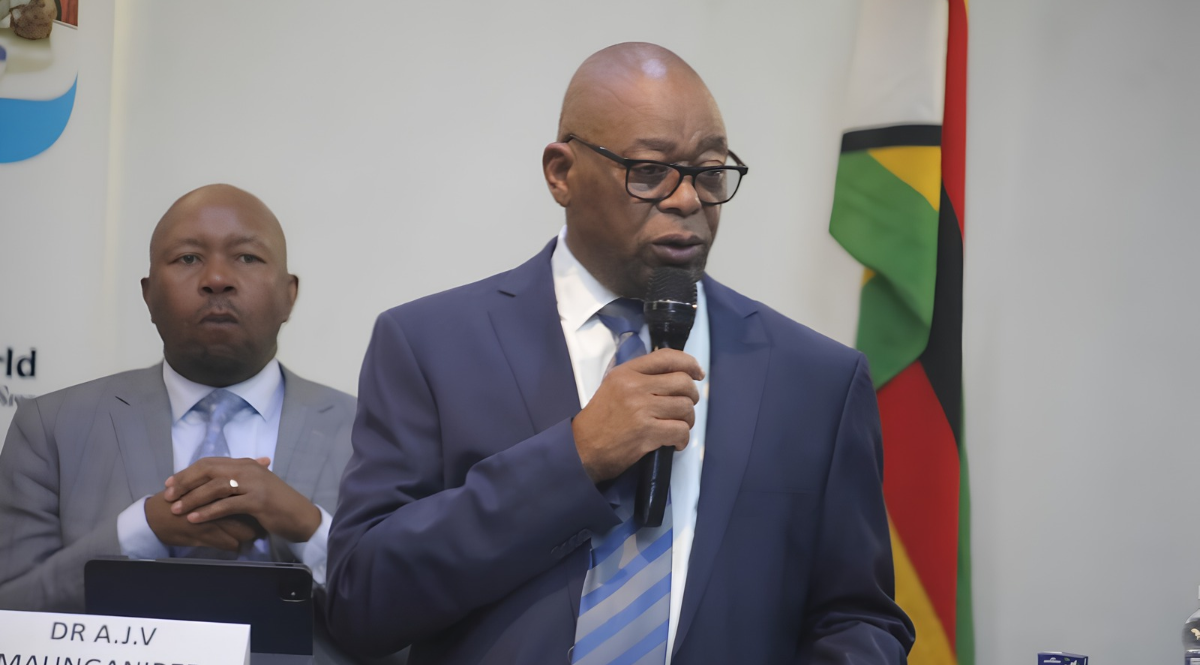
Speaking at the national kick-off workshop for the Accord for a Healthier World in Harare, Health and Child Care Minister Dr Douglas Mombeshora said the partnership presented an opportunity to strengthen the country’s pharmaceutical system and address barriers preventing patients from accessing essential medicines.
Mombeshora said medicine availability in public health facilities currently stands at approximately 54 percent, against a national target of at least 80 percent, leaving a significant gap that government must address through improved procurement, financing, regulation and supply chain management.
“A health system cannot be resilient if patients cannot obtain medicines they need when they need them at a cost they can afford. Government therefore continues to intensify efforts to improve the availability, affordability, and equitable distribution of essential medicines,” he said.
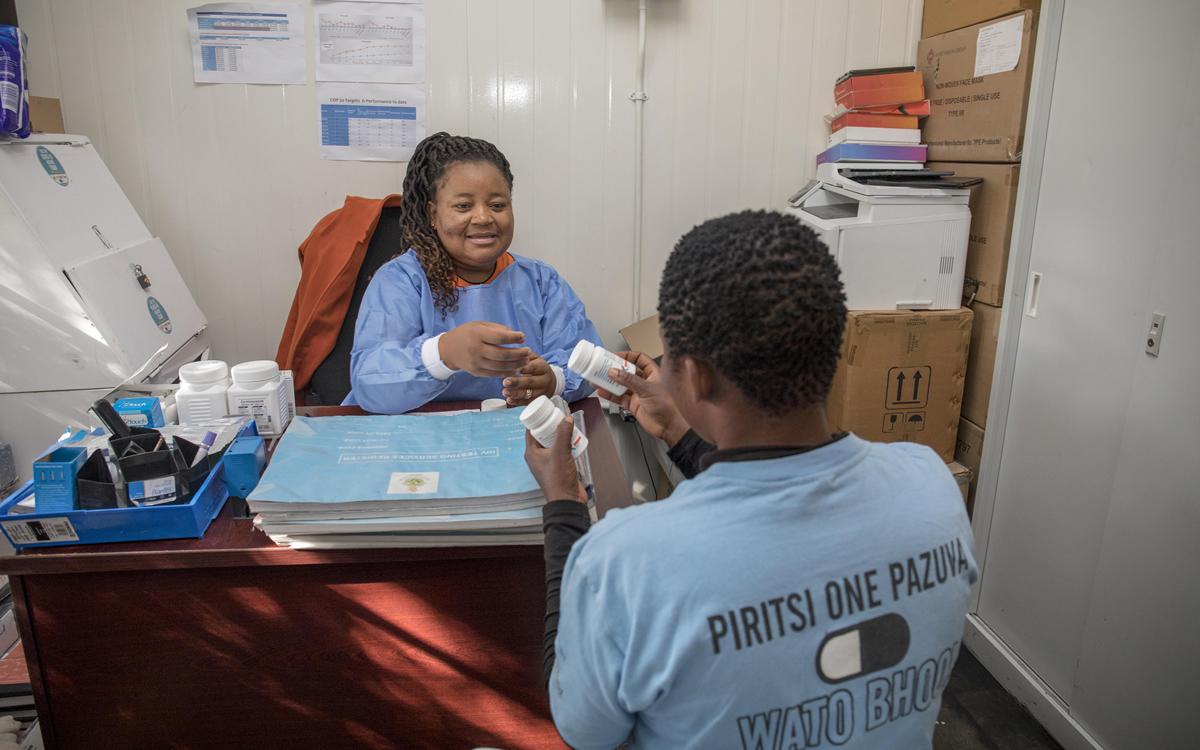
He said shortages were undermining the delivery of healthcare, even in circumstances where health professionals and pharmacy services were available.
“Sometimes our patients are told that the doctor is available, the pharmacist is available, but unfortunately the medicine is not available. We must close that gap,” Mombeshora said.
The minister said the COVID-19 pandemic had exposed vulnerabilities in global pharmaceutical supply chains, including international competition and export restrictions, demonstrating that access to medicines was also a matter of national health security.
He said Zimbabwe needed to diversify its sources of pharmaceutical supplies, strengthen domestic manufacturing capacity and build preparedness against future disruptions, particularly as development assistance became increasingly constrained.
Mombeshora said the Pfizer partnership should therefore be viewed within the broader context of government efforts to establish a sustainable resource base through domestic investment, private sector participation, local pharmaceutical production and strategic international partnerships.
Launched in May 2022, Pfizer’s Accord for a Healthier World seeks to address inequalities in access to medicines and vaccines in 45 lower-income countries. Through the initiative, Pfizer makes available medicines and vaccines for which it holds global rights, including existing and future products, on a not-for-profit pricing basis.
For Zimbabwe, Mombeshora said the arrangement offered an opportunity to improve access to innovative treatments for priority conditions, including cancer, cardiovascular diseases and infectious diseases.
However, he cautioned against interpreting the not-for-profit pricing model as a free medicine programme, saying government would still need sustainable financing arrangements to ensure patients could access the products.
“We must appreciate that not-for-profit pricing does not mean medicines are free. Rather, it provides an opportunity to improve affordability within sustainable national financing arrangements. The Accord must complement not-for-profit government responsibilities to ensure access to essential medicines,” he said.
He added that the partnership should deliver benefits beyond access to individual pharmaceutical products, including technical cooperation, knowledge transfer and stronger institutional capacity.
Mombeshora said government expected transparency, reliable supply arrangements and measurable health outcomes, with implementation aligned to Zimbabwe’s national disease priorities, essential medicines list and approved treatment guidelines.
The Ministry of Health and Child Care will coordinate implementation with the National Pharmaceutical Company (NatPharm), the Medicines Control Authority of Zimbabwe (MCAZ), health institutions and relevant government ministries.
The minister warned against partnerships that generate commitments on paper without translating into improvements for patients, saying Zimbabwe needed to move beyond signing agreements and holding workshops.
“We have become very good at signing agreements and holding workshops. But as we all know, a medicine cannot treat a patient simply because its name appears in a memorandum of understanding. The real work begins now and our success must be measured by what reaches the patient,” he said.
Responding to the government’s priorities, Pfizer Government Affairs and Policy Lead for the Accord, Ms Pauline Irungu, said the Zimbabwe partnership marked the beginning of a long-term, implementation-focused collaboration intended to translate medical innovation into meaningful benefits for patients.
Irungu said Pfizer recognised that scientific advances had transformed the treatment of complex diseases, but significant inequalities remained between countries and communities able to access these innovations and those facing resource constraints.
She said the Accord was designed to address this gap by making Pfizer’s medicines and vaccines available on a not-for-profit pricing model, rather than relying on donations that could be unpredictable and difficult for countries to incorporate into long-term health planning.
“Through their Accord, Pfizer makes available its full portfolio of medicines and vaccines, as long as we hold those global rights. That’s the commitment, and includes both the current portfolio, but also any future products that we launch, to make them available to countries on a not-for-profit pricing model,” Irungu said.
She said the model allowed governments to plan, make financing decisions and sustain treatment programmes, particularly for patients requiring long-term or lifelong medication.
Irungu emphasised that the partnership would not establish parallel healthcare structures but would work through Zimbabwe’s existing institutions, information systems and decision-making processes.
She said the two-day national kick-off workshop in Harare was expected to produce a joint implementation roadmap identifying priority areas, specific actions, milestones, progress indicators and institutional responsibilities.
A Ministry-led governance mechanism or working group would also be established to maintain momentum and ensure accountability between government and Pfizer.
Beyond medicines, Irungu said the company was prepared to support health workforce education and development, alongside improvements in supply chain management, including demand forecasting, cold chain management, storage and transportation.
“Access doesn’t end when a product becomes available. It must touch the wider health system, and the system needs to be ready to move us forward,” she said.
Pfizer said the workshop brought together representatives from the Ministry of Health and Child Care, national health institutions, hospitals and the company to identify barriers affecting access to medicines and healthcare delivery.
The company said approximately 40 percent of the medicines and vaccines included in the Accord’s portfolio are on the World Health Organisation’s Model List of Essential Medicines.