
By Michael Gwarisa
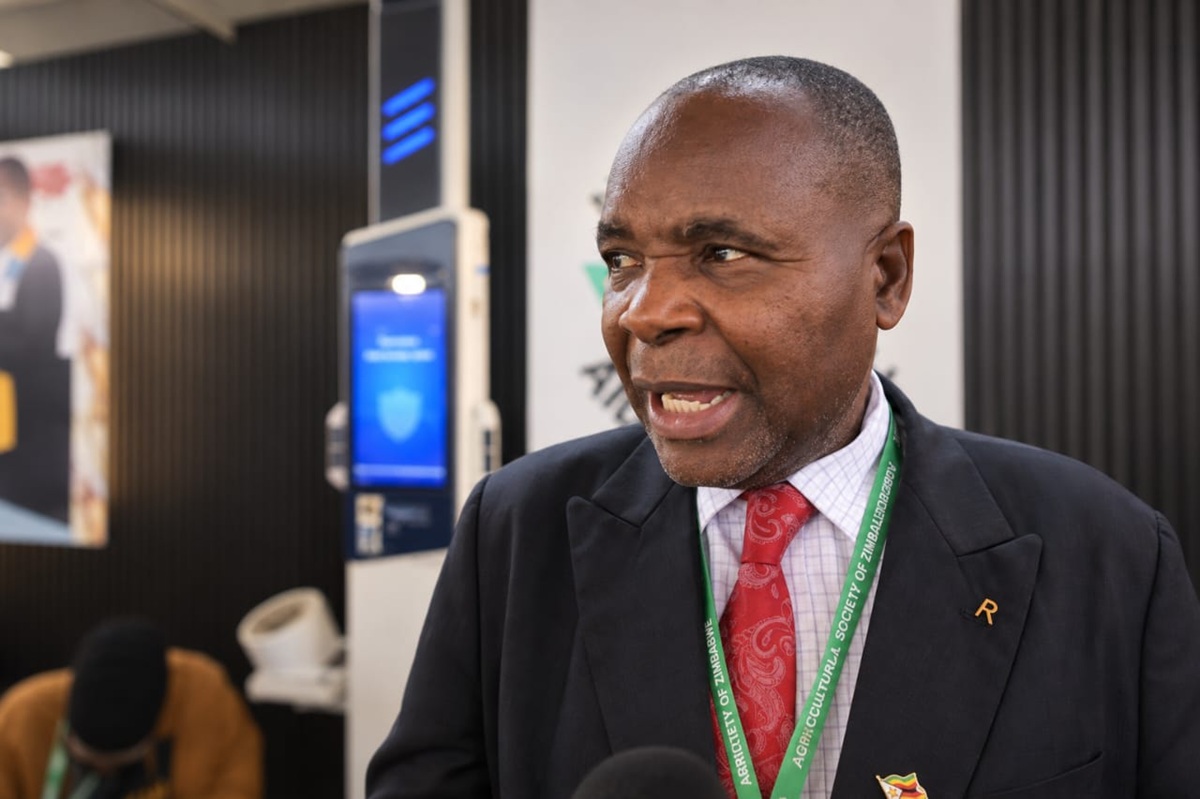
RIO DE JANEIRO, Brazil – Zimbabwe’s Minister of Health and Child Care, Dr Douglas Mombeshora, has called on governments to stop viewing health as a social expense and instead recognise it as a strategic investment that drives economic growth, productivity and national development.
Speaking during a high-level discussion on sustainable health financing at the 26th International AIDS Conference (AIDS 2026) in Rio de Janeiro, Mombeshora shared Zimbabwe’s experience in mobilising domestic resources for health, arguing that long-term investments in prevention and resilient health systems generate significant economic returns.
Responding to a question on how governments can successfully persuade finance ministries to allocate more resources to health, Mombeshora said political commitment from the highest level of government is essential.
“Political commitment starts at the highest level,” he said. “If you don’t convince your President that the resources are needed, the Ministry of Finance will not be able to support you.”
He explained that Zimbabwe’s National Health Strategy 2026–2030 has been deliberately aligned with the country’s Vision 2030 agenda, which seeks to transform Zimbabwe into an upper-middle-income economy.
According to Mombeshora, this alignment reflects the country’s belief that health should no longer be regarded solely as a social service but as a fundamental pillar of economic development.
“We believe that health is not a social sector. It is an economic sector,” he said, noting that healthier populations are more productive, children remain in school longer, businesses perform better and governments spend less treating preventable illnesses.
The minister outlined three strategies that have helped Zimbabwe make a stronger case for increased investment in health.
First, he said governments should frame health spending as an investment rather than an expenditure by demonstrating its economic returns through improved productivity, reduced healthcare costs and a more resilient workforce.
Secondly, ministries of health must demonstrate value for money through measurable results, accountability and efficient use of available resources. Mombeshora said Zimbabwe is strengthening integrated results-based management systems to ensure financing is linked to tangible health outcomes.
Thirdly, countries should demonstrate their own commitment by mobilising domestic resources instead of relying almost exclusively on donor funding.
As an example, Mombeshora highlighted Zimbabwe’s AIDS Levy, describing it as one of Africa’s longest-standing domestic financing mechanisms for HIV. Together with other earmarked revenue streams, including the Health Promotion Levy, he said these initiatives demonstrate national ownership of the country’s health response and strengthen Zimbabwe’s position when engaging development partners.
The minister also urged governments to move away from presenting health simply as a financial burden.
Instead, he said investments in health should be viewed as investments in human capital, national resilience and economic prosperity. He further cautioned against fragmented, disease-specific funding requests, arguing that finance ministries increasingly favour integrated health systems capable of delivering multiple outcomes from every dollar invested.
On the future of the global HIV response, Mombeshora delivered a strong defence of prevention programmes, warning against reducing investments in prevention at a time when many countries are grappling with shrinking donor support.
“Prevention is not a cost to be reduced. It is the most cost-effective investment we can make,” he said.
“Every infection prevented today avoids decades of treatment costs tomorrow.”
He added that sustained investment across HIV prevention, testing, treatment and community systems is not only good public health policy but also sound fiscal policy.
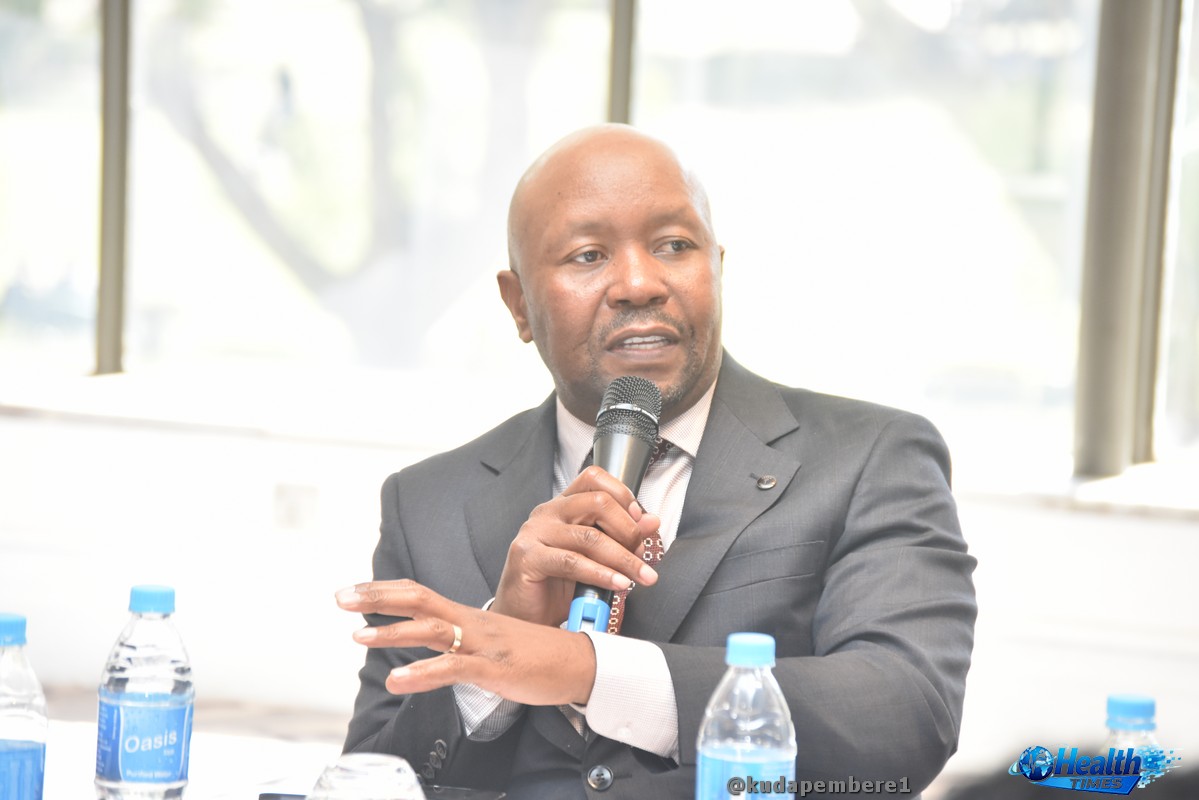
Offering a regional perspective during the discussion, South Africa’s Deputy Director-General for HIV and AIDS, TB, Maternal, Child and Women’s Health, Dr Nonhlanhla Ndlovu, said African countries must also strengthen regional sovereignty in healthcare to safeguard progress made against HIV and other public health threats.
Ndlovu said achieving sustainable health financing and stronger health systems would require countries within the Southern African Development Community (SADC) to coordinate their efforts and leverage each country’s strengths rather than operate independently.
“Looking at the continent as a whole, deciding who leads on which areas is critical so that the region moves as a bloc and the region gains,” she said.
She noted that significant work was already taking place across the region and stressed that stronger collaboration would enable countries to maximise resources, build resilient health systems and reduce dependence on external funding.
Her remarks echoed growing calls throughout the International AIDS Conference for African countries to pursue greater health sovereignty by increasing domestic investment while strengthening regional cooperation on manufacturing, procurement, research and service delivery.
As global health leaders continue debating the future of HIV financing amid declining international donor support, the messages from Zimbabwe and South Africa reflected a common vision: Africa’s long-term health security will depend not only on sustained domestic investment but also on stronger regional partnerships capable of protecting decades of progress against HIV, tuberculosis and other diseases.
For Zimbabwe, Mombeshora argued, the evidence is clear: investing in health should no longer be viewed as competing for scarce resources, but as a strategic investment in economic growth, national resilience and the country’s future development.