
By Michael Gwarisa
Despite meeting the UNAIDS 95-95-95 targets overall, Zimbabwe’s HIV response could face growing pressure if it fails to secure alternative funding to cover gaps left by international donors and development partners, delegates to the Transition Initiative Stakeholder Dialogue on Health financing have warned.
The warning comes as Zimbabwe seeks to strengthen an existing social contracting model that allows government to use domestic resources to finance civil society and community organisations delivering HIV and other health services.
Social contracting is not new to Zimbabwe. The country developed social contracting guidelines through a consultative process involving government, civil society and other stakeholders, with efforts to disseminate and strengthen the framework already under way in 2024.
However, the changing global health financing environment has given the mechanism renewed importance, with stakeholders now looking at how it can be strengthened and expanded to protect community-based services as donor funding declines.
The closure of development partner programmes and the 2025 US stop-work order have disrupted services in communities, with HIV prevention programmes among those affected.
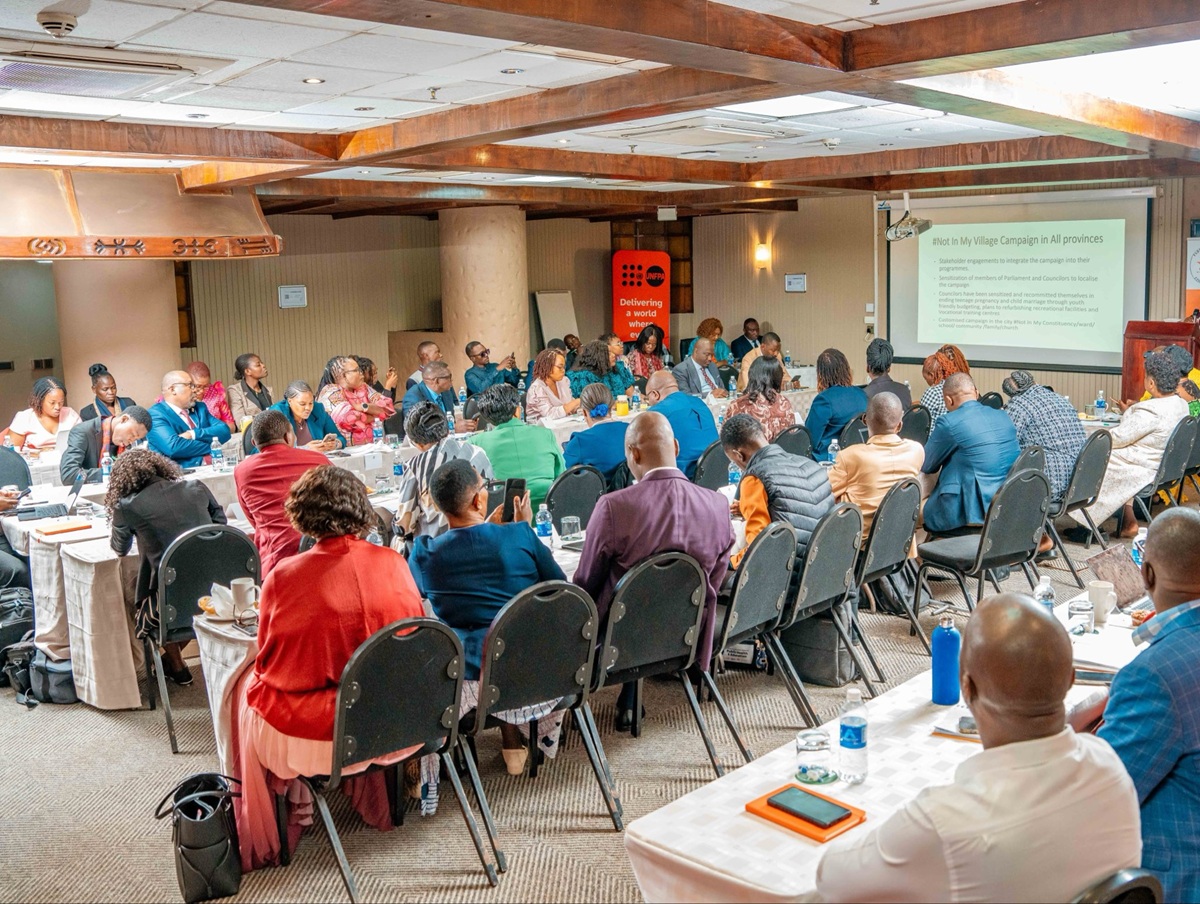
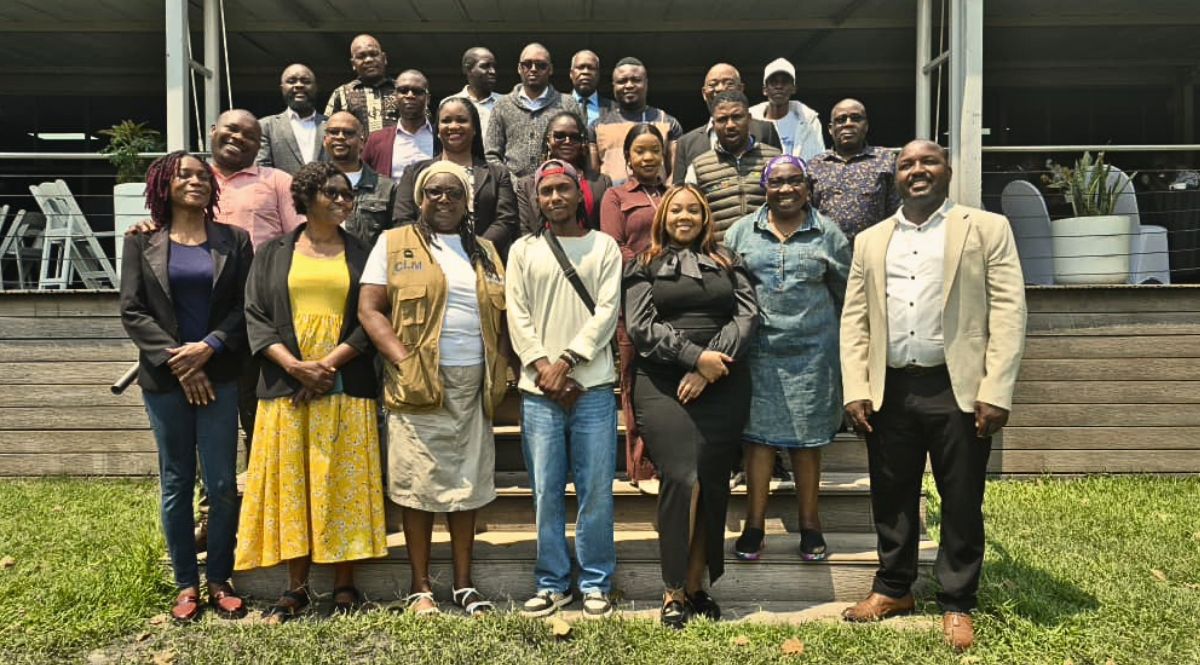
Speaking at a Transition Initiative stakeholder dialogue on health financing and social contracting in Harare, Dr Owen Mugurungi, Director of the AIDS, TB and Malaria Department in the Ministry of Health and Child Care, said Zimbabwe could no longer rely on its previous funding model.
“As our partners and donors shift attention and move away, we in this country need to find the best way of maximum use of the limited resources that we have. One of the best ways of using those limited resources is social contracting,” Dr Mugurungi said.
He said social contracting could enable government to work with civil society organisations to reach communities that public health facilities may struggle to serve directly.
“I think social contracting is a mechanism which we use government domestic financing, which is what everyone refers to as our taxes, so we use our taxes to legally contract NGOs or Civil Society Organisations so that they can assist us in government to deliver public health services,” he said.
Mugurungi said the model was particularly relevant in communities where distance, work and other practical barriers prevent people from accessing conventional health facilities.
“We recognise that there are areas or places where we cannot reach as government,” he said. “We can have NGOs that can go to the people to provide those services. It’s the principle of taking health to the people and having people at the centre.”
The renewed push builds on work that was already taking place before the current funding crisis.
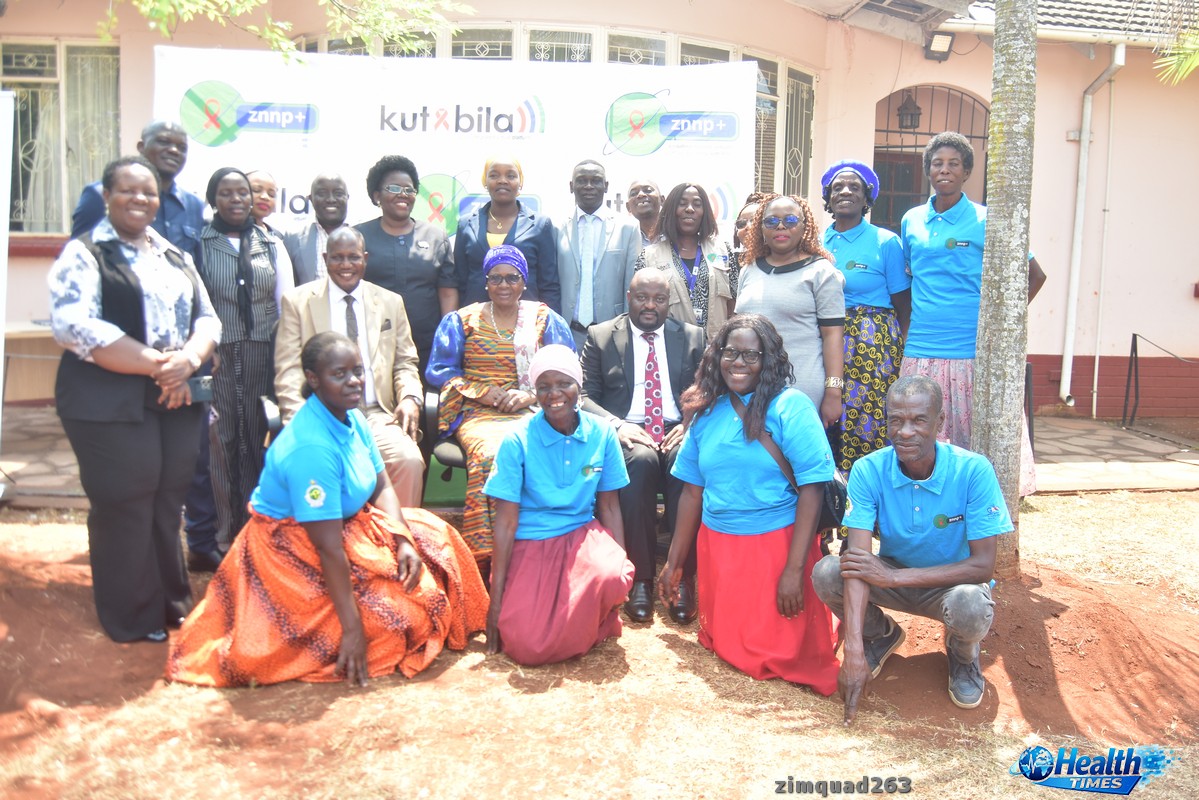
In 2024, SAfAIDS and Zimbabwe Community Health Intervention Research, or ZiCHIRe, with support from Frontline AIDS, convened a capacity-strengthening dialogue in Mutare under the United for Prevention Coalition to disseminate Zimbabwe’s social contracting guidelines and help civil society organisations understand how they could participate in the mechanism.
At the time, stakeholders were already calling for increased domestic resources and exploring potential revenue streams to support social programmes, while National AIDS Council representatives emphasised transparent application and selection procedures and funding linked to clearly defined public health priorities.
The current debate is therefore less about introducing social contracting than about making an existing system more effective at a time when the financing environment has changed.
Munyengetero Masunga, a programmes officer at the National AIDS Council, said interventions would need to be strategically aligned to ensure resources reach populations that are often left behind.
“So, we also have to do a strategic alignment, where we, our interventions, we have to speak up, better positioned, in terms of geographical placement, in terms of socially to reach those key populations or to reach those people who are ordinarily being left out,” Masunga said.
He said this included greater attention to people with disabilities, including ensuring that health facilities and services were accessible.
Masunga also stressed the importance of accountability under social contracting, saying both the organisations providing resources and those receiving them should be accountable for how funds are allocated and used.
The model, however, faces significant challenges.
Inflation and changes in the domestic currency can reduce the purchasing power of funds disbursed to organisations, while procurement, compliance and reporting requirements can be difficult for smaller grassroots organisations to meet.
Masunga said Zimbabwe needed to preserve the value of domestic allocations and invest in capacity building so that community organisations could comply with government requirements. The issue of inclusion is also becoming more prominent.
Letwin Chanakira, SAfAIDS Country Lead, said the Transition Initiative was seeking to build on Zimbabwe’s experience while ensuring community-led and key population-led organisations have a meaningful role in social contracting.
The initiative is being implemented in eight countries, including Zimbabwe, with support from Frontline AIDS, and focuses on building longer-term financing solutions as the international funding environment changes.
“Following the abrupt freeze on US foreign assistance and the dismantling of USAID, more than half of Frontline AIDS civil society and community partners had to either close clinics or close programmes,” Chanakira said.
She said the Transition Initiative was focused on advocacy for increased domestic health financing, budget advocacy, cross-disease integration, universal health coverage and social contracting mechanisms that enable governments to finance community-led services.
“We are advocating for KP-led organisations to also be recognised and prioritised as beneficiaries of social contracting mechanisms with meaningful participation in the design and implementation of these mechanisms,” Chanakira said.
UNAIDS representative Isaac Taramusi said social contracting was increasingly important as countries navigate the transition from donor-supported HIV responses towards nationally financed systems.
“Social contracting is a mechanism through which governments use public resources to finance community-led and civil society organisations to deliver HIV services and account for their actions,” Taramusi said.
He said the model could help protect community leadership in HIV services as donor resources decline.
“Donor resources are shrinking globally, while HIV services remain heavily dependent on community organisations. Hence, we need to prioritise social contracting,” Taramusi said.
Taramusi said social contracting could also help governments reach populations that may not be adequately served through conventional public health systems, particularly key populations requiring differentiated services.
For Zimbabwe, the challenge is now to turn the existing framework into a sufficiently resourced and inclusive financing mechanism capable of sustaining services at community level, including services delivered by organisations that have historically depended on donor funding.
The Transition Initiative concept note identifies social contracting and sustainable health financing as priority areas, with stakeholders expected to document lessons from Zimbabwe’s experience, identify remaining barriers and agree on practical steps to strengthen implementation and ensure meaningful inclusion of community-led and key population-led organisations.
As donor financing continues to change, the debate has therefore moved beyond whether Zimbabwe needs social contracting. The more immediate question is whether the country can strengthen and finance the mechanism enough to sustain organisations already delivering essential HIV services, including KP-led organisations that have lost donor support, and ensure that communities most affected by the epidemic do not lose access to essential prevention, treatment and support.