By Michael Gwarisa in Durban, South Africa
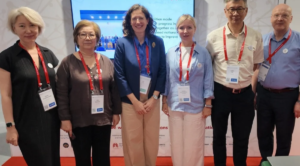
Registration data show that approximately 800 scientists and researchers from various scientific disciplines had registered for participation by the opening day of the 2025 Conference for Public Health in Africa (CPHIA) in Durban, South Africa.
The conference runs from October 22 to 25, 2025 under the theme “Moving Towards Self-Reliance to Achieve Universal Health Coverage and Health Security in Africa.” It is aimed at deliberating on numerous issues affecting healthcare.
Officiating at the opening ceremony of the 4th CPHIA, South Africa’s Deputy Minister of Health, Dr. Joe Phaahla, said Africa was ready to take the lead in the global health response and provide scientific solutions to public health challenges.
We should not only shape global health priorities. This conference affirms that our destiny must be African-made, African-financed, and Africa-owned. We have made a lot of progress over the last few decades, but the real measure of success lies not in the number of decisions we make, but in how we translate them into actions that improve the quality of life for our people,” said Dr. Phaahla.
He urged the CPHIA conference to move from rhetoric to measurable outcomes, emphasizing the need for Africa’s decisions and policies to be implementable, and for innovations made on the continent to help achieve its health ambitions.
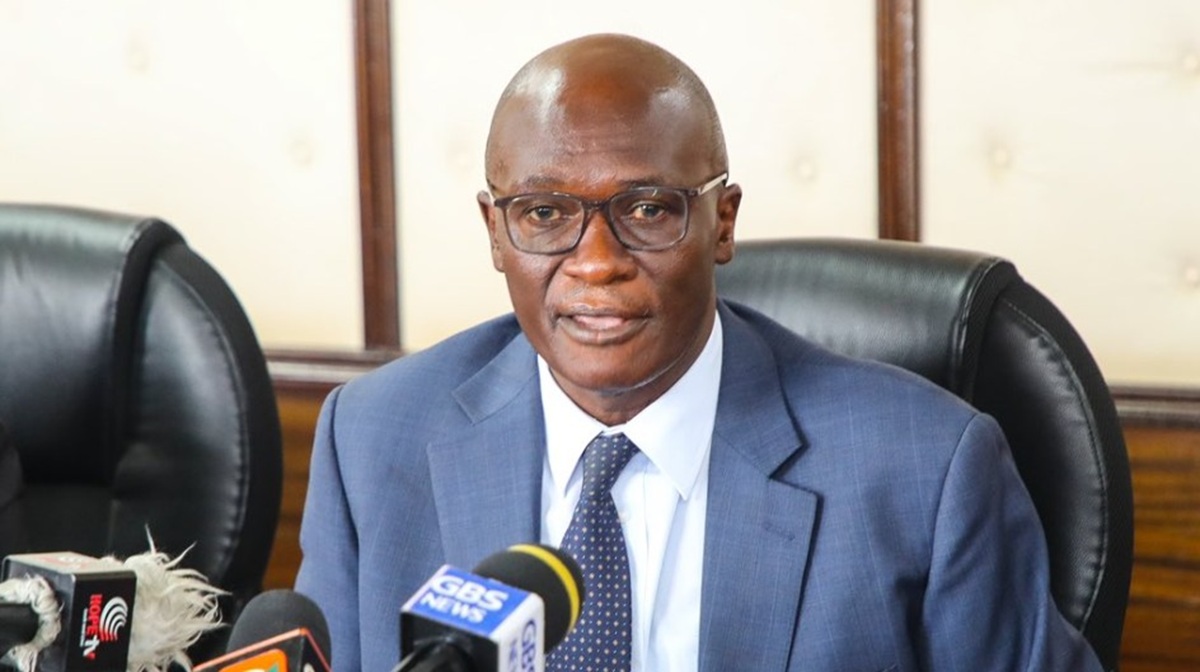
Speaking at the opening press conference, the Africa Centres for Disease Control and Prevention (Africa CDC) Director General, Dr Jean Kaseya, said they were intentional in inviting more scientists compared to other groups at the 4th CPHIA.
“You will see, we made a clear choice just to bring more scientists. We did not want to invite so many ministers to attend this event. We wanted to give an opportunity to scientists to tell us how Africa is led in science, and how science is leading the decision-making process,” said Dr Kaseya.
He added that CPHIA was a major flagship event on the Africa CDC calendar that brings scientists and decision-makers together to advance the agenda of public-health security in Africa.
“In this world where we know that sometimes we are facing some challenges in terms of scientific evidence, we wanted to show that Africa is led by science, and we have strong people who are supporting this agenda. But CPHIA is also an opportunity for the world to come to Africa and for Africa to be open to the world,” he said.
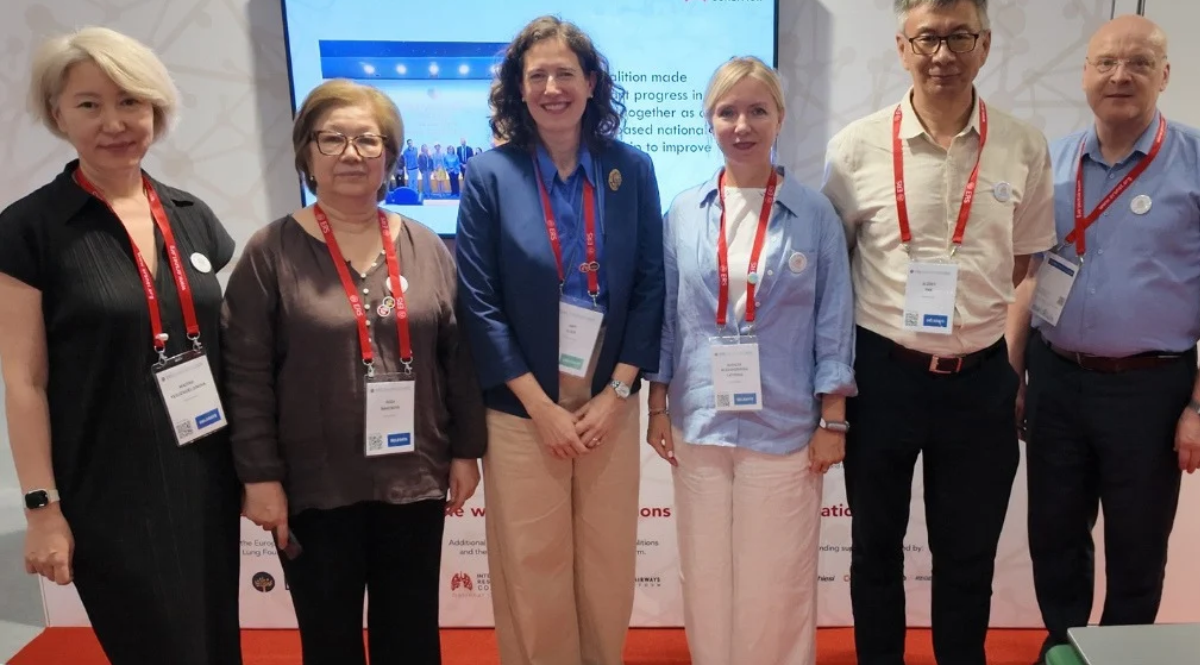
Professor Olive Shisana, President of Evidence Based Solutions, said approximately 100 scientists will also present in various sessions throughout the three-day conference.
“We have registered about 800 scientists in the last couple of days, and the numbers are changing, obviously, because other people are still coming. We will have about 100 scientists who are going to be presenting, either in the plenary or in special sessions, or who are going to be presenting because they have submitted an abstract which was selected by peers to ensure that they can evaluate the appropriateness of the science that has been used and conclude that they would like to present to the meeting,” said Professor Shisana.
Meanwhile, the conference occurs at a time when Africa’s healthcare systems have been hardest hit by financial woes following the withdrawal of funding by major donors.
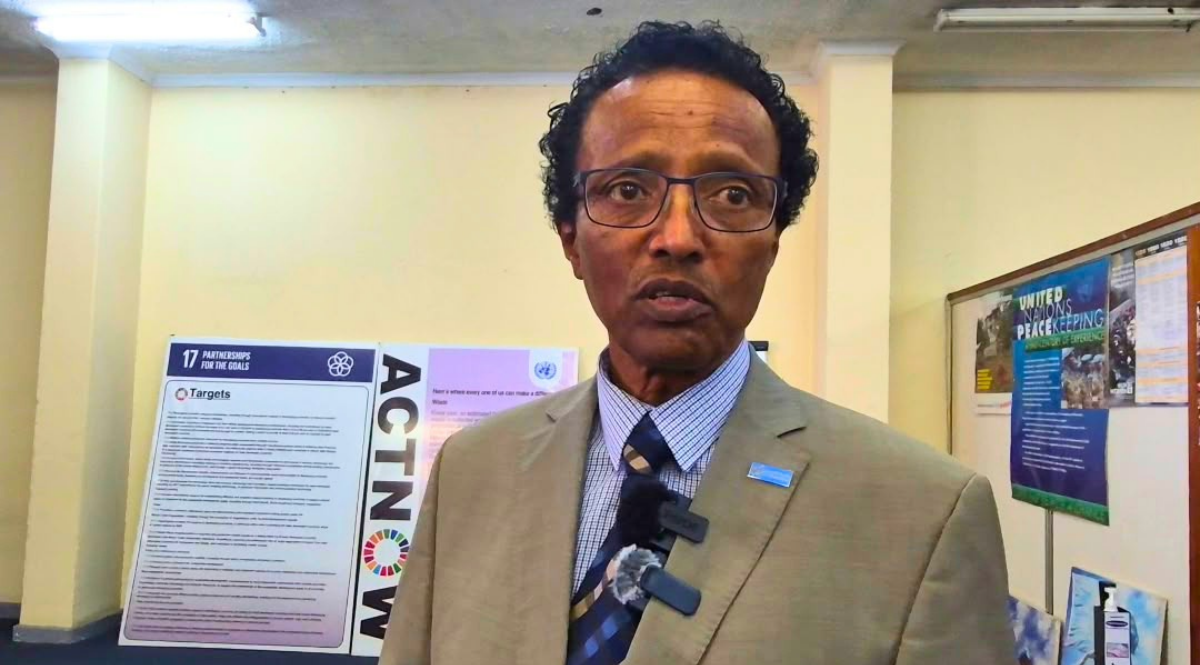
Professor Mohamed Yakub Janabi, Director of the World Health Organization (WHO) African Region, said CPHIA should try to find sustainable solutions to the health-financing issues, among other health challenges.
“Let us leave the conference united in purpose. To place health at the heart of African development. To accelerate progress with urgency and accountability,” said Professor Janabi.
He added that Africa deserves the right to health insurance and it requires leading from the front and ensuring that every partner aligns with our priorities. “Colleagues, we know what must be done. Our challenge is to do it faster, smarter, and together. To turn strategies, instabilities, and ideas into impact, let us hold ourselves accountable for outcomes people can feel,” said Professor Janabi.
He also said there is a need to build financing and budgets that protect health even in hard times, as well as innovation that narrows, not widens, inequality.