
By Kuda Pembere
Zimbabwe’s young people still aspire to build families and secure better futures, but many are being held back by economic hardship, housing insecurity and limited access to reproductive healthcare, a new global survey has found.
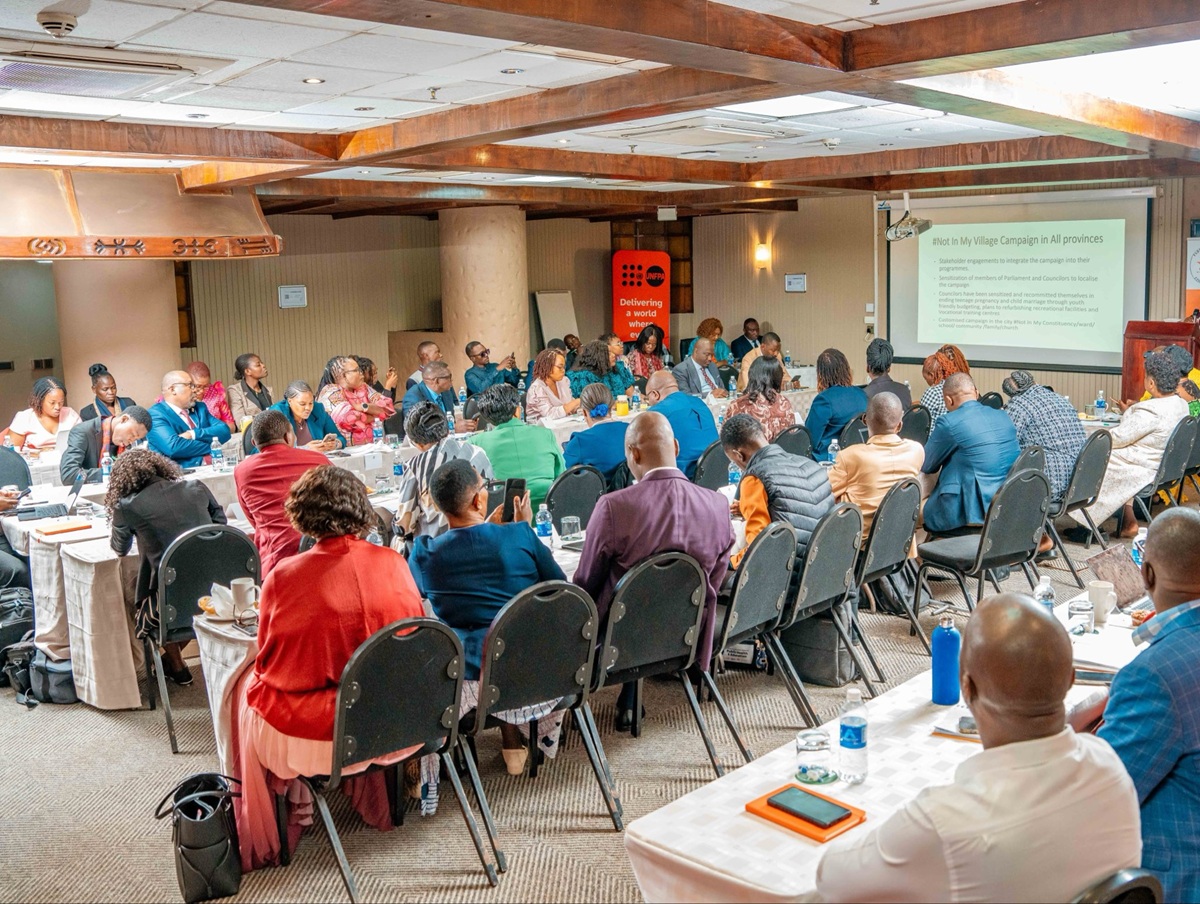
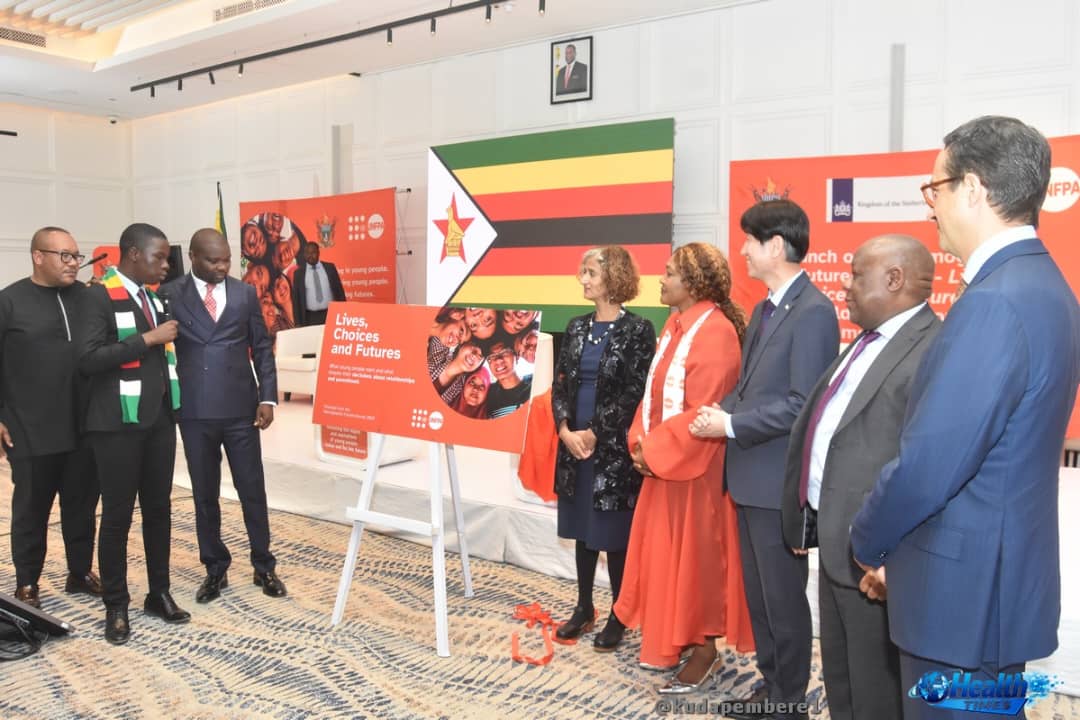
The findings were unveiled on Friday as the Government of Zimbabwe and the United Nations Population Fund (UNFPA) marked World Population Day 2026 under the theme, “Realising the hopes and aspirations of young people: Today and for the future.”
The 2026 Demographic Futures Survey, UNFPA’s flagship global study on reproductive decision-making, surveyed 108,000 adults aged 18 to 39 across 73 countries. The report challenges the growing perception that young people are turning away from family life, instead showing that most still want children but are delaying or changing those plans because of circumstances beyond their control.
Launching the survey findings, Minister of Youth Empowerment, Development and Vocational Training, Hon. Tinoda Machakaire, said Zimbabwe remained committed to creating opportunities that enable young people to realise their full potential.
“Today, Zimbabwe joins the global community to commemorate World Population Day 2026. We meet at a unique intersection of history. The global conversation is shifting from merely counting numbers to making every individual count,” he said.
“For Zimbabwe, population metrics are not sterile figures on a balance sheet. Our population of more than 17.2 million people carries a distinct and powerful signature, a median age of just 18.3 years. More than 60 percent of our citizens are young people. This is our demographic dividend.
“The Government of Zimbabwe does not view this youthful population as a burden, but as our greatest and most sustainable engine for national transformation,” said Minister Machakaire.
Presenting the survey’s key findings, UNFPA Zimbabwe Representative Ms Miranda Tabifor said the data showed that young people continued to value partnership and parenthood, but faced structural barriers that made those aspirations increasingly difficult to achieve.
“In Zimbabwe, as elsewhere, the path to a resilient and prosperous future lies in our ability to listen to young people and create the conditions where they can thrive,” she said.
“The Demographic Futures Survey confirms that young people value partnership and parenthood, but their ability to realise these aspirations is hampered by systemic barriers. We must move beyond simply managing demographic shifts to actively investing in the capabilities, health and rights of our youth.”
The survey found that financial security, stable employment and emotional readiness were the leading conditions young adults considered necessary before starting a family.
For Zimbabwe, the findings highlight the need for forward-looking, rights-based policies that expand opportunities for young people while protecting their reproductive choices.
The report also highlights significant inequalities in reproductive outcomes. Zimbabwe’s national fertility rate stands at 3.9 children per woman, but the average drops to 3.1 in urban areas compared with 4.6 in rural communities. Fertility also varies sharply by education level, with women who have higher education averaging 2.6 children, compared with 5.1 among women whose highest level of education is primary school.
According to the survey, these disparities demonstrate that reproductive outcomes are closely linked to opportunity, access and personal choice.
United Nations Resident Coordinator Ms Rosemary Kalapurakal said empowering young people must remain central to Zimbabwe’s development agenda.