By Patricia Mashiri
Zimbabwe has been urged to strengthen domestic health financing and ensure that taxes collected in the name of health are channelled towards the sector amid growing concerns over dwindling donor support for critical health programmes, particularly the fight against tuberculosis.
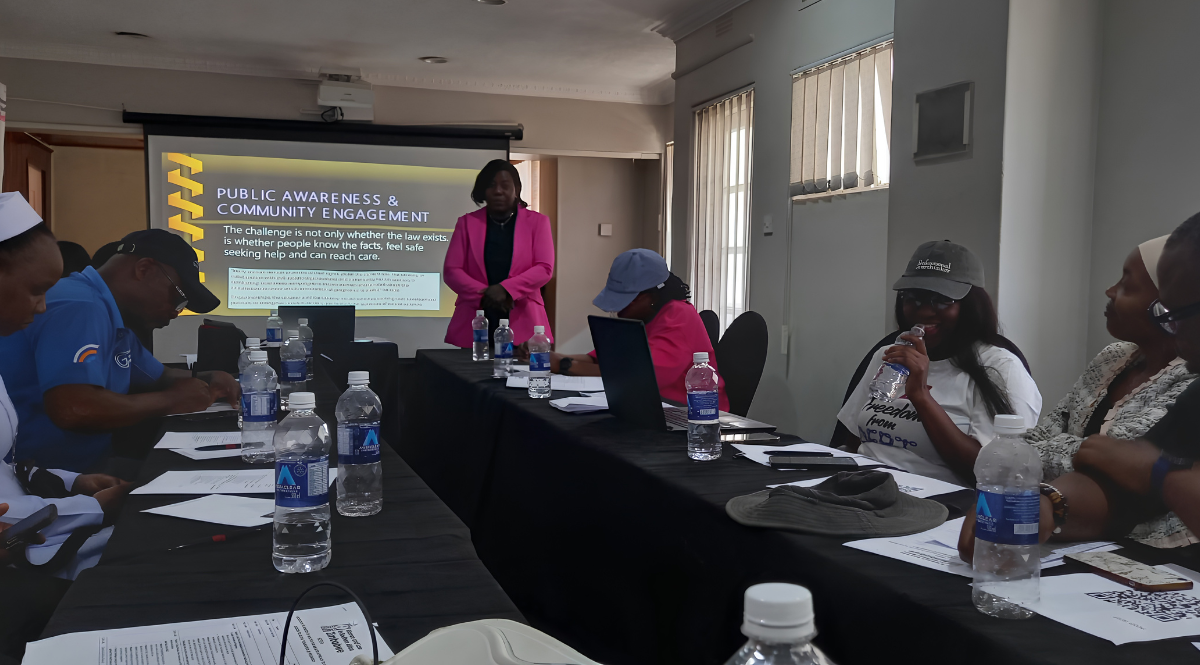
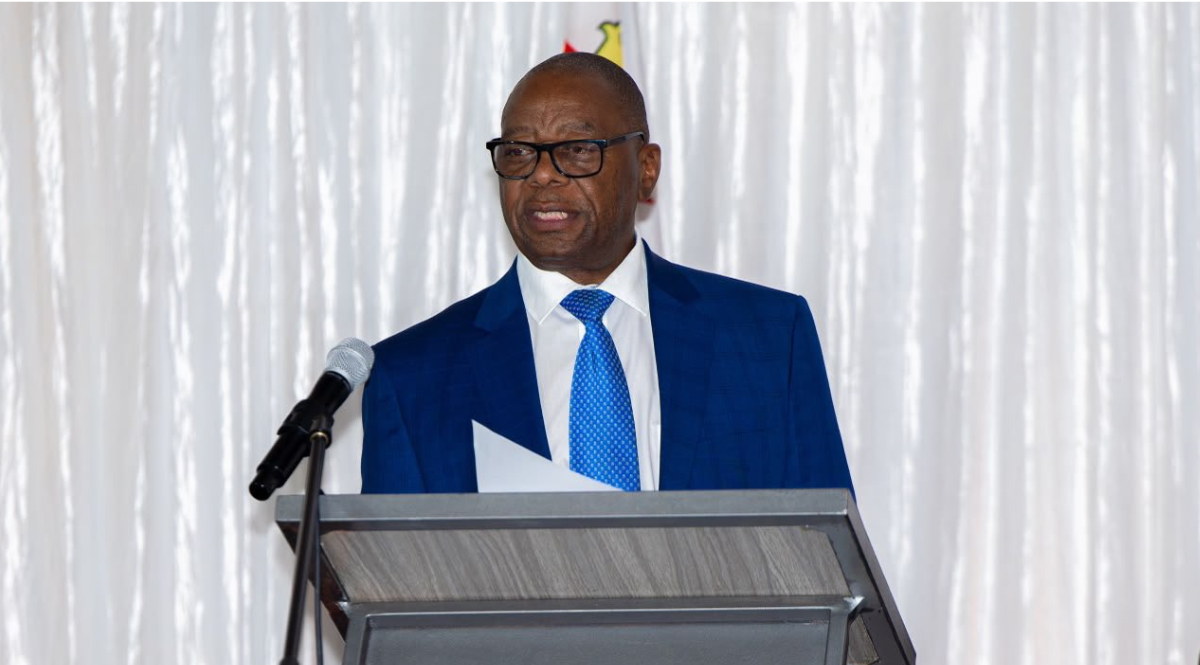
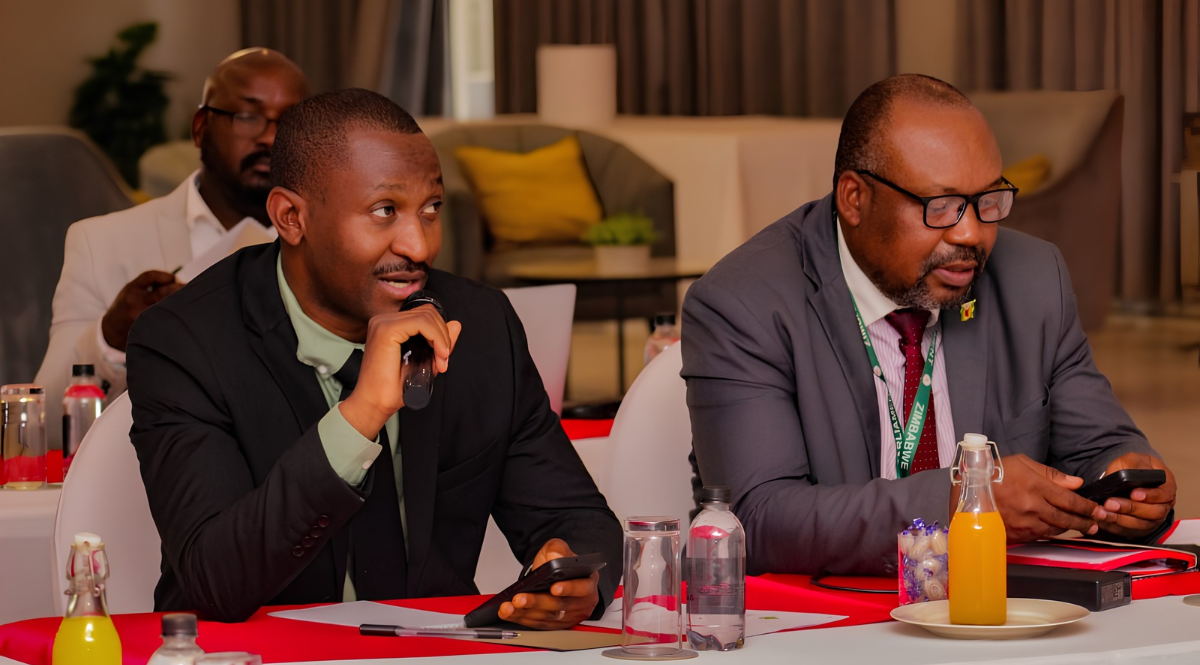
The call was made during a TB Budget Advocacy Engagement Meeting convened by Stop TB Partnership Zimbabwe on behalf of Global TB Caucus with Parliamentarians to discuss sustainable financing for TB programmes against the backdrop of reductions in international donor assistance ahead of the 2027 National Budget approval.
The meeting highlighted the need for the government to take greater responsibility for financing its health needs, with legislators calling for the establishment of mechanisms to ring-fence health-related taxes and ensure that resources collected are directly channelled towards addressing the country’s disease burden.
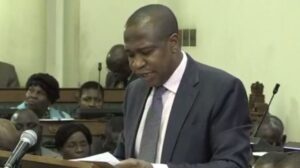
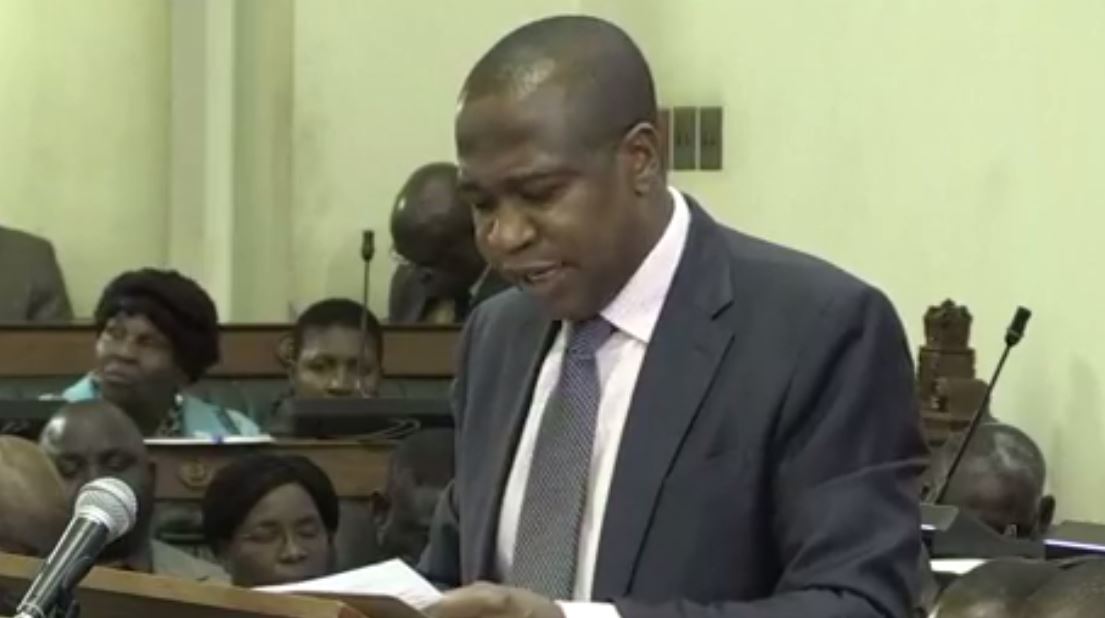
Speaking during the engagement, Portfolio Committee on Health and Child Care chairperson Dr Thokozani Khupe said TB remained one of the deadliest diseases and should not be allowed to disappear from the country’s health priorities.
She said the reduction in United States foreign assistance had created a serious setback, given the country’s reliance on international partners in financing TB interventions.
“Every disease affecting our people deserves attention. And every person who walks into a hospital or a clinic should have access to essential medicine and care they need,” said Khupe.
She emphasised that Zimbabwe needed to strengthen domestic financing to sustain essential health services, warning that budget allocations alone were insufficient if the funds were not released when required.
“Allocating money in the budget is one thing. Releasing it when it is needed is another. Funds that exist only on paper cannot buy medicines or deliver treatment,” she said.
Khupe said Parliament would continue advocating for the Abuja Declaration commitment to allocate at least 15 percent of the national budget to health, with adequate resources directed towards ending TB.
For Zimbabwe, the challenge is not only to mobilise additional domestic resources but also to ensure that existing revenue streams are transparently managed, released on time and directed towards essential health interventions.
The is already collecting several taxes and levies in the name of health but they are not necessarily channelled towards health.
Member of the Portfolio Committee on Health and Child Care Discent Bajila said the government needed to make domestic resources the primary source of health financing rather than relying heavily on external assistance.
Bajula said the country could draw lessons from the National AIDS Council model, which has helped ring-fence resources through the AIDS levy to support the national HIV response.
He proposed expanding the NAC’s mandate into a National Health Council, which would retain responsibility for managing the AIDS levy while coordinating resources from other health-related taxes to support interventions against different diseases.
“These could include allocations from the sugar tax, fast-food tax, carbon tax and health levies collected from airtime.
We need to put all these funds together in the health basket so that we can fund our health needs from our own resources as a country,” said Bajila said.
Zimbabwe’s TB response has never been fully funded. In 2025 the country reported a budget gap of US$16.7 million which is 63% of the need
Chairperson of the Tuberculosis Caucus, Daniel Molekele, said the Portfolio Committee had already made recommendations on ring-fencing health-related resources and was pushing for progress on the proposed legislation.
Molekele urged civil society organisations, patients, TB survivors and health advocates to engage the Ministry of Health and Child Care and demand progress on the proposed bill.
He said although taxes were being collected, there was no clear mechanism ensuring that the money reached the health sector.
“The money is being collected in the name of health, but health is getting nothing,” said Molekele.
He cited the sugar tax, which he said had generated about US$32 million, although the figure continued to change, as an example of the need for transparency and accountability in the management of health-related revenue.
Molekele warned that even if the resources were eventually ring-fenced, the health sector would still need to advocate for fair allocations among competing disease priorities, including TB, cancer, malaria, HIV and silicosis.
Melody Mukundwi, Communications Officer, Jointed Hands Welfare Organisation highlighted that the financing gap limits countries to scale up case finding, expamd preventative therapy, introduce new diagnostics among other things.
“Zimbabwe still misses about 14000 -15 000 cases annually because resources are not enough for active case finding, contact tracing and community outreach.
More than 80% of TB patients are reportedly experiencing out of pocket and indirect costs including transport costs and care seeking expensed,” she said.
Other areas which needs attention includes childhood TB, drug resistant TB, community led response and preventative therapy.