By Michael Gwarisa
Zimbabwe remains below the 15 percent Abuja health financing target, with the 2027 National Budget allocating approximately 9.9 percent of the Government’s main expenditure ceiling to the health sector.
Finance Minister Professor Mthuli Ncube allocated ZiG35.462 billion to the Ministry of Health and Child Care in the 2027 Budget, against a main expenditure ceiling of ZiG358.303 billion.
The calculation puts health’s share of the main expenditure envelope at approximately 9.9 percent, leaving the country about 5.1 percentage points below the Abuja benchmark.
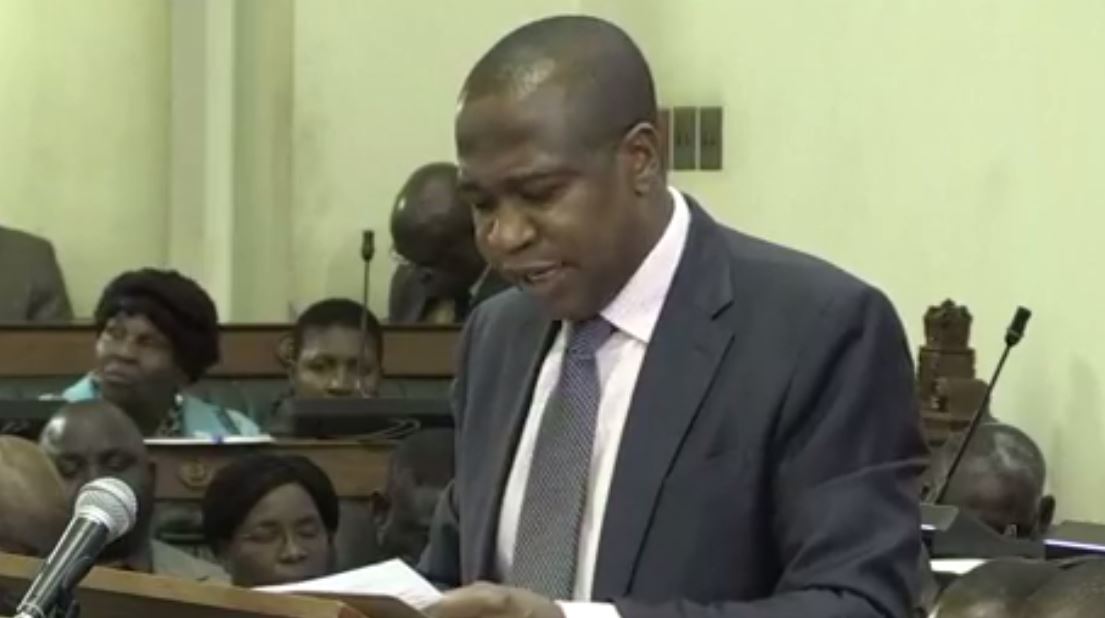
Presenting the 2027 National Budget to Parliament on Thursday, Ncube said Government would “consolidate and sustain interventions in the health sector” through the allocation.
The funds will support employment costs, the acquisition of consumables and equipment, as well as the rehabilitation and construction of health infrastructure, according to the Budget.
The Abuja Declaration, adopted by African Union governments in 2001, committed countries to allocate at least 15 percent of their annual national budgets to health.
Based on the expenditure ceiling presented by Treasury, reaching the 15 percent benchmark in 2027 would require approximately ZiG53.7 billion for health.
This means the health allocation would need to be about ZiG18.3 billion higher to reach 15 percent of the main expenditure ceiling.
The calculation uses the Budget’s ZiG358.303 billion appropriation and expenditure ceiling and should not be interpreted as health expenditure as a percentage of GDP or as actual expenditure after funds are released and spent.
The Budget provides for total expenditure of ZiG358.3 billion against projected Government revenue of ZiG349.5 billion in 2027. Treasury said the expenditure ceiling was significantly below the combined requests submitted by ministries and agencies, which totalled ZiG974 billion.
The health allocation comes at a time when Zimbabwe is under increasing pressure to strengthen domestic financing of healthcare and reduce vulnerability to fluctuations in external assistance.
The country’s health sector has historically relied significantly on development partners to support major programmes, including HIV, tuberculosis and malaria services, while Government financing remains critical for health workers, medicines, infrastructure and the broader public health system.
The issue of financing is also linked to the Government’s ability to translate budget allocations into actual services.
Treasury reported that, as of October 30, 2026, ministries, departments and agencies had spent an average of 74.5 percent of their approved budgets.
For health, this raises questions about not only the size of the allocation but also the timing and reliability of disbursements and the extent to which allocated resources reach health facilities.
Health and Child Care Minister Dr Douglas Mombeshora has previously highlighted the importance of predictable funding for the health sector, particularly as Zimbabwe seeks to strengthen domestic resource mobilisation.
The 2027 allocation is expected to support a range of health priorities, including the procurement of medicines and other consumables, equipment and health infrastructure.
However, the amount allocated also has to cover employment costs, meaning the headline figure does not represent the amount available solely for medicines, infrastructure or service expansion. Ncube specifically identified employment costs, consumables, equipment and infrastructure among the areas to be supported by the allocation.
The Budget therefore leaves Zimbabwe below the Abuja commitment at a time when the country is seeking to strengthen domestic health financing.
For patients, the significance extends beyond the percentage itself. The adequacy and timely release of public health funding can affect the availability of medicines and equipment, the condition of health facilities, staffing and the ability of the health system to provide essential services.
The 2027 allocation represents a substantial commitment to health within a constrained national budget, but it does not meet the 15 percent Abuja benchmark.