Kuda Pembere
Zimbabwe has begun developing the National Health Strategy (2026–2030), which will guide the country’s health sector reforms through to the end of the decade.
Aligned with the National Development Strategy 2 (NDS2), the plan focuses on reducing maternal and under-five mortality, strengthening primary health care, and expanding access to essential services.
According to the 2023–24 Zimbabwe Demographic and Health Survey (ZDHS), released in June 2025, the maternal mortality ratio declined to 363 deaths per 100,000 live births, down from 462 in 2015. The government says the new strategy aims to accelerate this progress while addressing emerging health challenges.
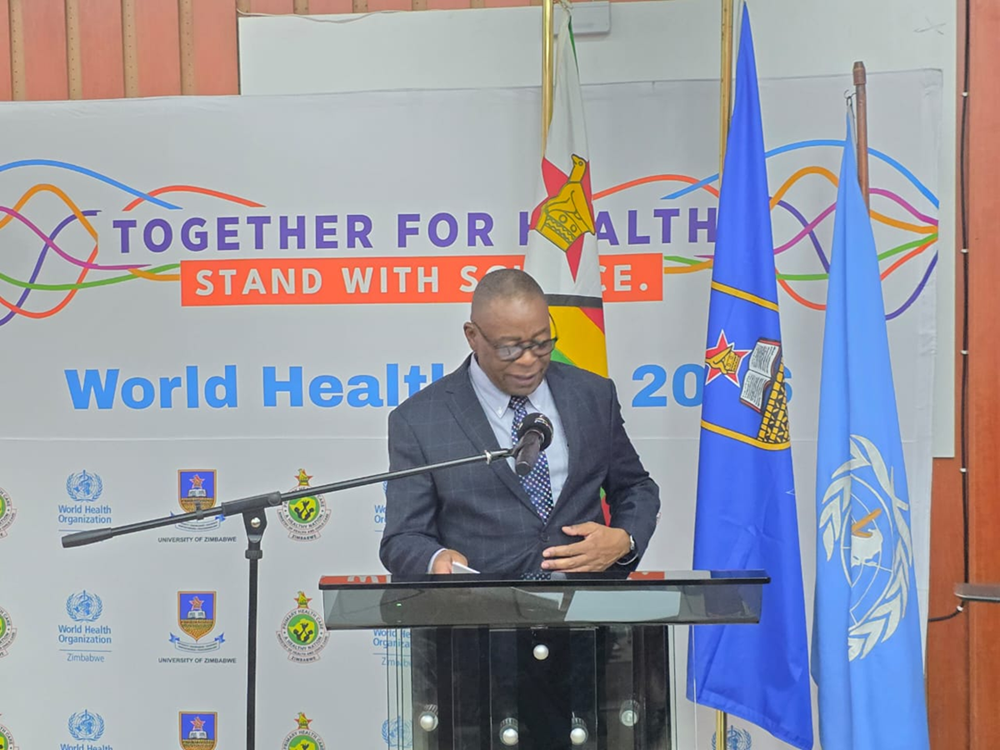
Health and Child Care Minister Dr Douglas Mombeshora said the country is targeting universal health coverage and improved life expectancy.
“Our goal is to achieve universal health coverage and improve life expectancy from 64.7 years to 70 years. We also aim to reduce maternal and under-five mortality and increase access to clean water and sanitation. We have made significant gains in combating communicable and non-communicable diseases, and this National Health Strategy will provide a roadmap for addressing emerging challenges and reducing the burden of disease,” he said.
The government also plans to recruit thousands of health workers to prevent service disruptions. This includes more than 1,000 doctors and nurses, as well as 19,000 village health workers.
“We will prioritize service delivery, ensuring that all platforms, from community to highest-level referral hospitals, are enhanced and responsive to people’s needs. Community participation and ownership of health initiatives will be central to our approach. We will also develop a Primary Health Care strategy to rejuvenate and strengthen this critical aspect of our healthcare system,” Minister Mombeshora said.
A critical component of the strategy is health workforce development. The government will implement the Health Workforce Strategy 2026–2030, which seeks to double the health workforce, ensuring sufficient training, deployment, and retention of health workers to meet the population’s needs. The Health Service Commission is supporting this effort and will outline priority actions for workforce development under the new strategy.
Infrastructure development is another key pillar. Central hospitals are undergoing refurbishment under the presidential infrastructure programme, with plans to expand upgrades to other facilities.
“We will expand health infrastructure across all levels, build new clinics, and maintain existing facilities. We are grateful for the presidential infrastructure programme, which has initiated the revamp of hospitals, and we hope to see this initiative continue. Equipping our healthcare facilities with relevant equipment, aligned with the package of care for each level, will be a priority,” the minister said.
Broader social determinants of health will also be addressed.
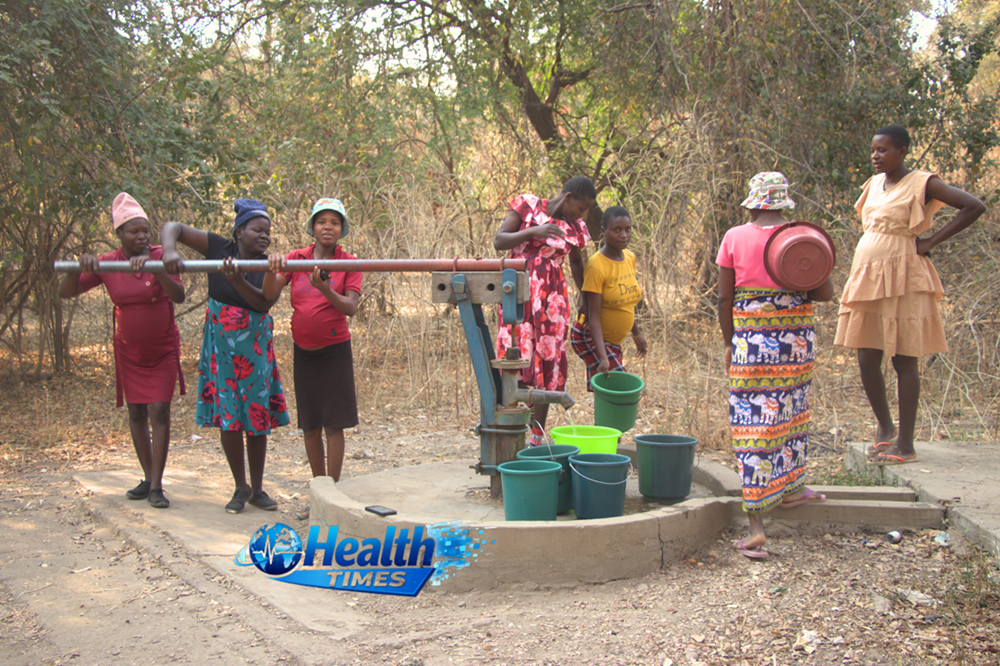
“We recognize the importance of water and sanitation, infrastructure development, and other social factors that impact health outcomes. We will advocate for increased investment in these areas to improve service delivery and outcomes,” he said.
The minister also announced plans to establish a National Health Insurance programme to ensure sustainable health financing.
“The health financing landscape is changing, and we must adapt to ensure sustainable financing for our healthcare system. We will establish a National Health Insurance Programme that promotes the participation of all citizens, including the private sector, which is a critical partner in healthcare delivery,” he said.
Finally, digitization of the health sector will be a priority.