Kuda Pembere
The first batch of cancer treatment equipment acquired under the Sugar Tax programme is now in Zimbabwe, with two machines earmarked for Parirenyatwa and Mpilo hospitals, a top Government official said on Friday.
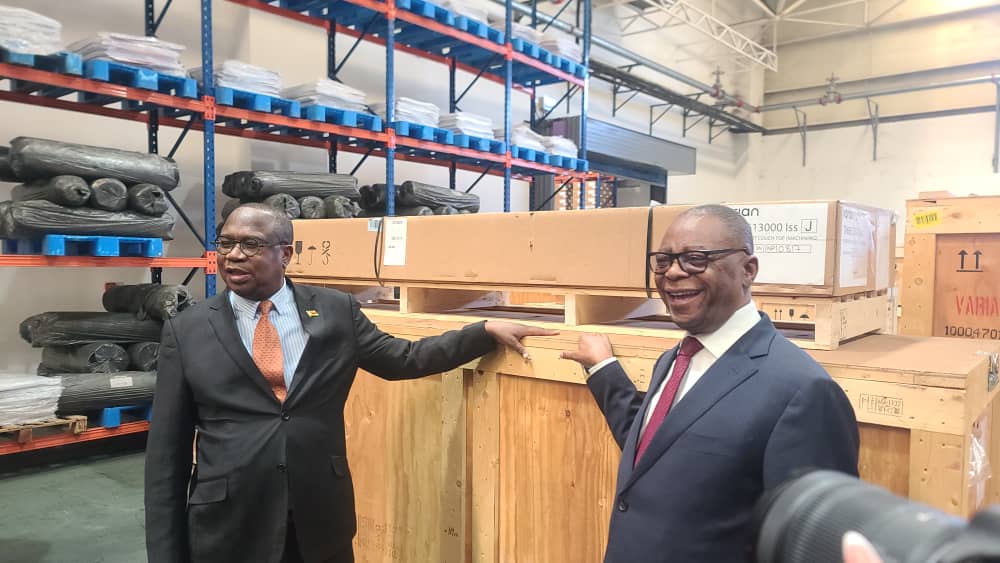
These are low energycancer machines which are currently housed at the National Pharmaceutical Company of Zimbabwe (NatPharm) warehouse, pending completion of radiation bunkers at the two hospitals. Low energy cancer machines generally refer to medical devices that use lower-energy electromagnetic waves, lower-voltage radiation, or alternative electrical therapies to treat cancer, often with the goal of reducing damage to surrounding healthy tissue compared to high-energy radiation therapy.
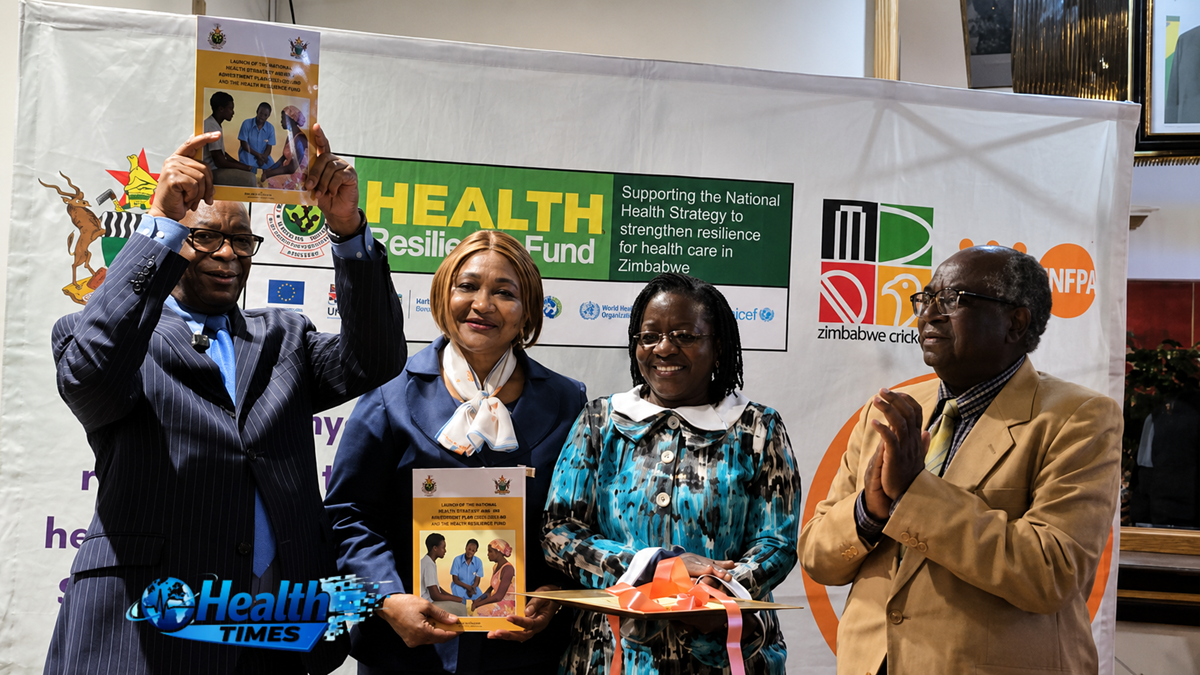
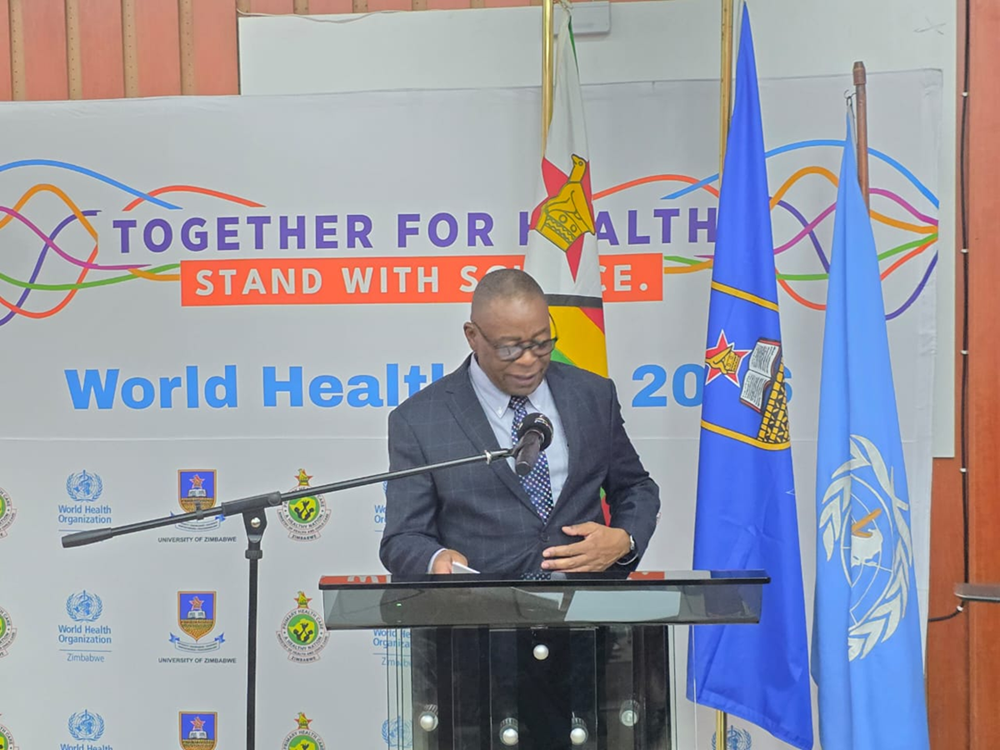
“We are very excited because at least two machines, low energy machines, have arrived. They are now at NatPharm, and work is going to start soon in terms of construction of the bunkers,” Health and Child Care Minister Dr Douglas Mombeshora told journalists.
“You know, this emitted radiation needs to be protected through construction of bunkers, which do not allow the radiation to go outside. So, the two cancer machines that have arrived so far, one will be deployed at Mpilo Hospital, and the other one will be at Parirenyatwa Hospital. So, we are now at the stage of construction of the bunkers so that the equipment can be placed in those bunkers.
“The bunkers are going to take maybe three months, but I cannot say exactly because it was part and parcel of the procurement system. I hope, since they have already cleared the plans and everything with PWD, the Public Works Department, work is going to start now,” he said.
Minister Mombeshora said two additional cancer machines, known as Multi-energy Linear Accelerators (LINACs), are awaiting pre-shipment inspection in the Netherlands. Engineers and specialist oncologists are expected to travel there for the inspection process.
Multi-energy linear accelerator (LINAC) machines are advanced radiation therapy devices that deliver high-energy X-ray or electron beams to destroy cancerous tumours while minimising damage to surrounding healthy tissue. They are regarded as the backbone of modern radiation oncology because they can treat both deep-seated tumours and superficial lesions by adjusting energy levels.
Minister Mombeshora said the procurement of the four machines cost approximately US$27 million.
“The other two multi-energy linears are waiting for pre-shipment inspection in the Netherlands. We are now waiting for the visas for the team that is going to go for pre-shipment inspection. That will complete the procurement for the four machines, done at a total cost of about US$27 million,” he said.
He added that once the cancer machines are deployed, the next phase will focus on procuring diagnostic equipment for central and provincial hospitals.
“The next stage is that we now have authority to proceed with procurement for the second phase. We have been given permission by the Minister of Finance, and we are looking at various pieces of diagnostic equipment to help in the diagnosis of cancer. This involves procurement of CT scans for all our five central hospitals and for all our provincial hospitals, MRI scans for all our central hospitals, ultrasound scan machines, X-ray machines, among others,” Minister Mombeshora said.
“We are also going to procure mammogram machines to detect breast cancer, which will be deployed in all our central hospitals. So, I think we are moving. The challenge is that these machines only start manufacturing once we have paid a deposit.”