
By Michael Gwarisa
The World Health Organisation has called on governments to sharply increase taxes on alcohol and sugary beverages, warning that weak tax regimes are fuelling the global rise in noncommunicable diseases and placing unsustainable pressure on health systems.
WHO Director General Dr Tedros Adhanom Ghebreyesus made the call following the release of the Global Report on the Use of Sugar-Sweetened Beverage Taxes 2025, which shows that diets high in sugar, salt and saturated fats continue to drive obesity and diet-related NCDs worldwide.
Speaking during a virtual press briefing on global health, Dr Tedros said most countries have failed to design tax systems that meaningfully discourage consumption of health-harming products.
“Today, we are publishing new reports on taxes on alcohol and sugary drinks. They show that in most countries, these taxes are too low to be effective, poorly designed, not adjusted regularly, and rarely aligned with public health objectives,” he said.
As a result, alcohol and sugary drinks have become increasingly affordable, even as diseases linked to their consumption continue to strain national health budgets, families and economies. While health taxes are not a cure-all, Dr Tedros stressed they remain one of the most powerful tools available to governments when properly implemented.
He acknowledged that such taxes often face political resistance and strong opposition from well-resourced industries. However, he pointed to evidence from countries that have successfully used health taxes to improve population health while strengthening domestic financing.
In the Philippines, for example, sweeping tax reforms on tobacco and alcohol introduced in 2013 increased government revenues more than fivefold. The funds were later used to expand national health insurance coverage to over 15 million low-income families, significantly improving access to care.
Global momentum on health taxes
A growing number of countries have introduced or expanded taxes on alcohol and sugary beverages, with measurable public health gains. In Lithuania, a major alcohol tax increase introduced in 2017 was followed by an almost five percent reduction in all-cause mortality the next year. In the United Kingdom, a sugary drinks levy launched in 2018 reduced sugar consumption and generated £338 million in revenue in 2024 alone. The policy has also been linked to lower obesity rates among girls aged 10 and 11, particularly in poorer communities.
More countries are now following suit. Zimbabwe recently introduced a levy on sugary beverages and alcohol, joining a list that includes Malaysia, Mauritius, Slovakia, Sri Lanka and Vietnam, all of which increased or introduced taxes on tobacco, alcohol or sugary drinks in 2024. In early 2025, India imposed a new excise duty on tobacco, while Saudi Arabia rolled out a tiered tax system on sugary drinks that increases rates based on sugar content. WHO says it will continue supporting countries to design effective health taxes as part of efforts to strengthen self-reliance and reduce dependence on external aid.
Gaps in current tax systems
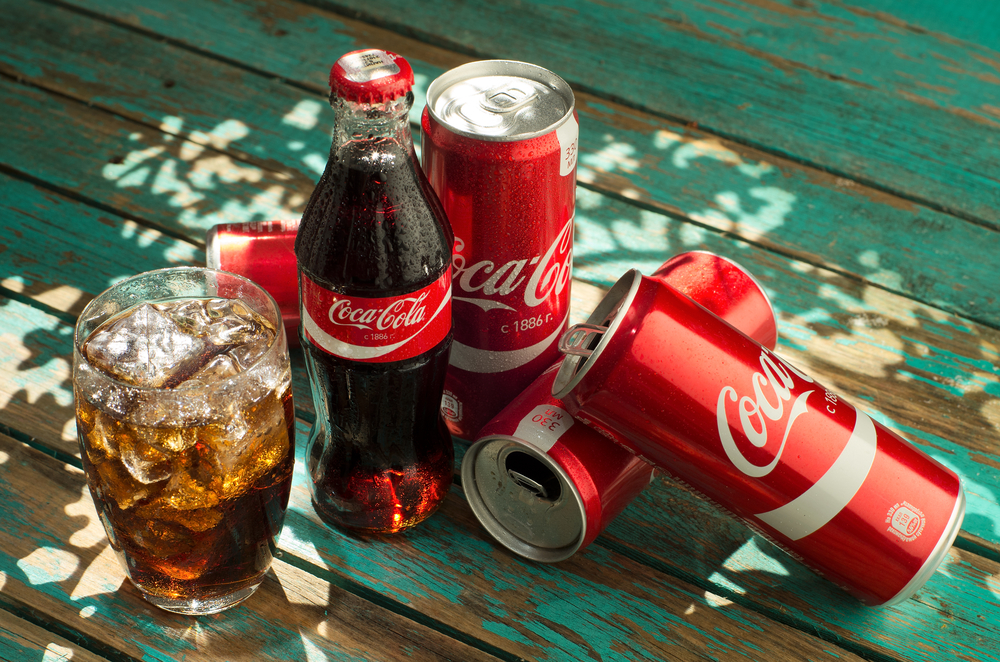
Despite progress, WHO data shows major weaknesses remain. At least 116 countries tax sugary drinks, most commonly carbonated sodas. However, many high-sugar products such as 100 percent fruit juices, sweetened milk drinks and ready-to-drink coffees and teas remain untaxed. While 97 percent of countries tax energy drinks, this figure has not changed since 2023, indicating stalled momentum.
The global market for sugary drinks and alcoholic beverages generates billions of dollars annually, yet governments capture only a small fraction of this value through health-motivated taxes. The long-term health and economic costs of consumption are instead borne by households and public health systems.
A separate WHO report found that 167 countries levy taxes on alcoholic beverages, while 12 ban alcohol entirely. Even so, alcohol has become more affordable or remained similarly priced in most countries since 2022, largely because taxes have failed to keep pace with inflation and rising incomes. Wine remains untaxed in at least 25 countries, mainly in Europe, despite clear evidence of associated health risks.
Dr Tedros warned that resistance from alcohol and tobacco industries remains a major obstacle, calling on governments to counter corporate lobbying and double standards that undermine public health policies.
Addressing equity concerns
Concerns have been raised in several countries that sugar taxes unfairly burden low-income households. Zimbabwe is among nations where such debates have emerged following the introduction of its levy.
Responding to a question from Health Times, Dr Etienne Krug, Director of WHO’s Department of Health Determinants, Promotion and Prevention, rejected the argument that health taxes punish the poor. Instead, he framed them as essential prevention measures.
“The word tax sometimes has a negative connotation, but it should not be seen as a burden,” Dr Krug said. “Alcohol, tobacco and excessive sugar consumption all contribute to cancer, cardiovascular diseases and injuries. When low-income families are affected by these conditions, they are pushed deeper into poverty. Prevention through reduced consumption is a form of protection.”
Key findings and the way forward
WHO’s analysis shows that excise taxes on alcohol remain low globally, with median tax shares of 14 percent for beer and 22.5 percent for spirits. Sugary drink taxes are even weaker, accounting for only about two percent of the price of a typical soda and often covering only part of the market. Few countries regularly adjust these taxes for inflation, allowing unhealthy products to become steadily more affordable over time.
“The evidence is unequivocal,” said Alison Cox, Director of Policy and Advocacy at the NCD Alliance. “Well-designed health taxes deliver a triple win: better health outcomes, stronger public finances, and reduced long-term costs. Claims around national sovereignty often obscure the reality that health taxes can strengthen countries’ ability to respond to their own health and fiscal challenges.”
These gaps persist despite evidence of strong public backing. A 2022 Gallup poll found that a majority of respondents supported higher taxes on alcohol and sugary beverages.