Michael Gwarisa
In Zimbabwe, the majority of people face significant barriers to accessing health insurance. Over 80% of the population do not have any form of medical coverage, according to official data from the Association of Healthcare Funders of Zimbabwe (AHFoZ). Only about 10% of Zimbabweans are currently enrolled in medical aid schemes or other health insurance programs, leaving a vast majority exposed to high out-of-pocket medical costs in case of illness or emergency.
The country has several registered medical aid societies, all regulated by the Ministry of Health and Child Care (MoHCC). Despite this oversight, premiums for 2026 vary widely depending on the plan, the age of the enrollee, and the provider. Most rates are denominated in U.S. dollars and are subject to annual adjustments. For anyone considering coverage, it is always advisable to verify rates directly with the provider.
High costs, combined with a large informal sector workforce, have made medical aid largely inaccessible to many Zimbabweans. This raises an important question: do people truly understand the costs and benefits of medical aid services available in Zimbabwe today?
To provide clarity, HealthTimes conducted a digital survey of medical aid costs using verified sources, and compiled the following overview of providers and their 2026 offerings.
MASCA Medical Aid Society
MASCA offers some of the lowest premiums in Zimbabwe. Its Essential Core scheme is priced from US$16 per month for all age groups. For slightly higher coverage, the Hospital and Clinic package costs US$21 per month, while the Standard package ranges from US$46 to US$58 per month. These plans cover essential services such as doctor visits, routine treatments, and pre-authorized procedures. MASCA is popular among low- and middle-income earners seeking affordable access to basic medical services.
Premier Services Medical Aid Society (PSMAS)
PSMAS is known for affordable entry-level plans ranging from US$10 to US$30 per month. The society is particularly popular among civil servants, who make up a significant portion of its membership. PSMAS plans provide basic healthcare coverage and are valued for their reliability and accessibility, although exact premiums fluctuate depending on age and optional benefits.
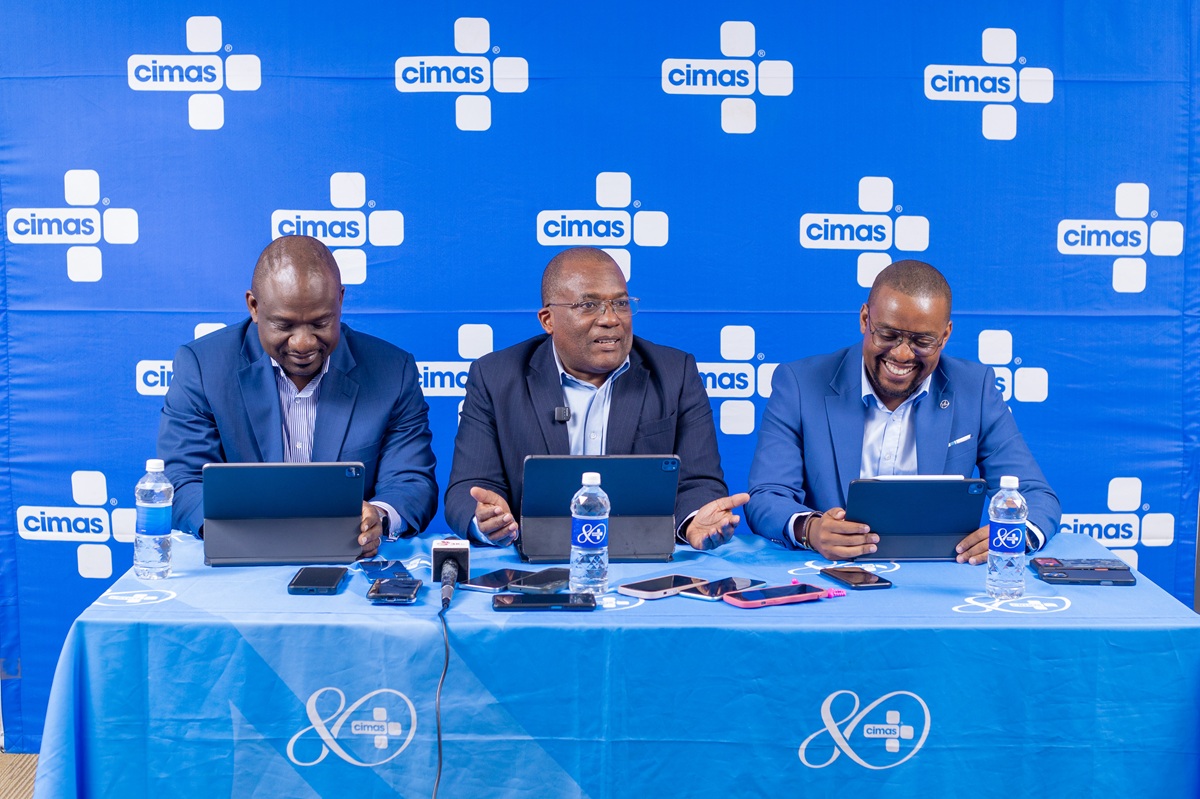
Cimas Health Group
Cimas provides mid-range medical aid options, such as the Healthguard Basic plan, which starts from US$50–100 per month. Cimas focuses on comprehensive coverage, including major medical events, emergencies, advanced imaging, private hospitalisation, surgery, cancer treatment, and international evacuations. Their Guardian Care scheme is designed for individuals seeking protection against high-cost medical events and international medical support.
CIMAS Mid-Range Secure Plan Costs (USD per month)
- Essential: $33 (Child/Student) / $44 (Adult)
- Private: $55 (Child/Student) / $78 (Adult)
- Private Plus: $56 (Child/Student) / $93 (Adult)
These plans offer coverage for private hospital care, GP consultations, and medication, with added access to Cimas’s network of primary care and dental clinics. Optical and dental benefits are covered in full up to set limits, including routine eye tests, while maternity services are partially covered at capped rates. New members are typically subject to a three-month waiting period.
Alliance Health
Alliance Health entry-level packages start at around US$38 per person and include access to premium private hospitals. Plans are tailored to meet the specific needs of members, with core benefits automatically applied to all subscribers. Members enjoy coverage of up to US$1,500,000 in countries including Botswana, India, Kenya, Lesotho, Malawi, Mauritius, Mozambique, Namibia, South Africa, Swaziland, Tanzania, Uganda, Zambia, and Zimbabwe.
Generation Health
Underwritten by Zimnat, Generation Health offers various plans with premiums starting as low as USD 5 per month for certain packages, often accessed via partnerships with banks like Steward Bank. Generation Health offers flexible family and individual plans, with basic coverage ranging from US$40 to US$80 per month. Their Value/Entry plans are designed to accommodate varying household sizes and income levels, providing affordable access to essential healthcare services. The schemes include comprehensive options ranging from entry-level to elite plans, such as the Green Elite (USD 12,000 limit) and Ebony Elite (USD 48,000 limit.
Bonvie Medical Aid
Bonvie focuses on micro-plans that cater to both public and private care, with premiums often below US$30 per month for basic coverage. These plans are targeted at informal and low-income workers who may not have access to employer-sponsored medical aid.
It is important to note that most of these costs exclude add-ons such as maternity coverage or chronic condition management. Prospective members should contact providers directly—such as MASCA (masca.healthcare) and PSMAS (psmas.co.zw)—for personalized 2026 quotes.
Other Entry-Level Medical Aid Options in Zimbabwe
In addition to MASCA, PSMAS, Cimas, Alliance Health, Generation Health, and Bonvie, Zimbabwe has several other medical aid providers offering entry-level plans. These include First Mutual Health (FMH), Seamus Medical Aid, CBZ Medical Aid Fund, EMF Medical Aid Society, Maiisha Health Fund, Health International, Mars Medical Air Rescue, and Ultra-Med Health (UMH). Monthly premiums for adults typically range from approximately US$40 to US$70+, depending on age, family size, and the specific plan as of 2026.
These plans generally provide basic coverage, including hospital stays, consultations, and emergency services. Lower-cost options (~US$40–50) are available through FMH’s biometric plans, Seamus’s family-focused packages, CBZ’s worker-oriented schemes, EMF’s urban basic plans, Maiisha’s youth digital offerings, and UMH’s corporate-linked entry plans. Higher-end options, such as Health International (~US$70+), emphasize international coverage, while Mars Medical Air Rescue plans vary depending on evacuation and emergency service needs.
Cost Breakdown:
- First Mutual Health (FMH): Innovative biometric plans start at approximately US$50+ for basic hospital coverage and health monitoring.
- CBZ Medical Aid Fund: Mid-range worker-focused options cost US$40–60, offering stable coverage.
- EMF Medical Aid Society: Affordable urban basic plans range from US$40–50, aimed at increasing access in city areas.
- Maiisha Health Fund: Tech-oriented youth plans start at US$40+, featuring app-based claims management. Maisha Health Fund offers various medical aid packages in Zimbabwe, with costs ranging from approximately $7 to over $150 per month, depending on the coverage level. Budget-friendly options for government employees start around $7–$12/month (e.g., Value Care, Vital), while comprehensive, private hospital plans range from $50 (Standard) up to $152 (Vitality) monthly
- Health International: Premium plans begin around US$70+, emphasizing global access and travel benefits.
- Mars Medical Air Rescue: Variable costs, generally US$50+, focused on emergency evacuations and outpatient care.
- Ultra-Med Health (UMH): Entry-level corporate-linked plans start at approximately US$40, covering essential medical needs.
These rates are approximations from 2025–2026 sources and may change annually. Prospective members should confirm the latest premiums, eligibility criteria, and coverage details directly with the providers.
Eligibility for Low-Cost Medical Aid Plans
Eligibility for Zimbabwe’s most affordable medical aid plans generally requires proof of residency, employment status, or income verification. Most entry-level schemes do not have strict exclusions for pre-existing conditions but may enforce waiting periods or require proof of prior coverage.
- MASCA Essential Core (US$16): Open to all Zimbabwe residents aged 18 and above, with children and seniors charged the same rate. Applicants need to provide ID, proof of income, and proof of address. There is a three-month waiting period for general claims, with no medical examination required.
- PSMAS Basic (US$30–40): Primarily for civil servants or public sector employees and their dependents. Employer sponsorship is preferred, and proof of employment is required.
- Bonvie MedAccess (US$5+): Targets informal and low-income workers. Membership requires only a national ID, with minimal underwriting and a focus on public clinics.
- Alliance Health Entry (~US$59): Available to the general public, prioritizing salaried individuals. Applicants must complete a basic health declaration and observe a six-month waiting period for maternity and chronic conditions.
- Cimas Healthguard Basic (~US$50): Designed for employed adults and residents, with group enrollment encouraged. Individual members may be subject to income thresholds.
All plans require Zimbabwean residency or a valid work permit. Prospective members should confirm current requirements and forms for 2026 directly with providers, especially in light of ongoing regulations by the Insurance and Pensions Commission (IPEC).