Kuda Pembere
Zimbabwe has become only the second country in Southern Africa, after South Africa, to offer neuromodulation surgery, a major milestone in the country’s efforts to provide advanced specialist healthcare services locally and reduce the need for patients to seek treatment abroad.
The breakthrough follows a partnership involving Zimbabwe’s Ministry of Health and Child Care, the Chinese Ministry of Health, the China-Africa Hospital Alliance and local medical specialists.
Neuromodulation is an advanced neurosurgical treatment that uses implanted devices to regulate nervous system activity. It is used to manage conditions including Parkinson’s disease, epilepsy, dystonia, essential tremor, chronic pain and certain psychiatric disorders.
The initiative is being led by Dr Nathaniel Zimani of Zamani Medical Group in collaboration with the China-Africa Hospital Alliance.
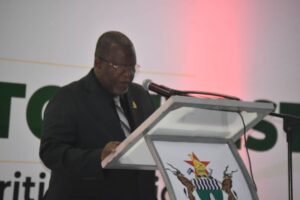
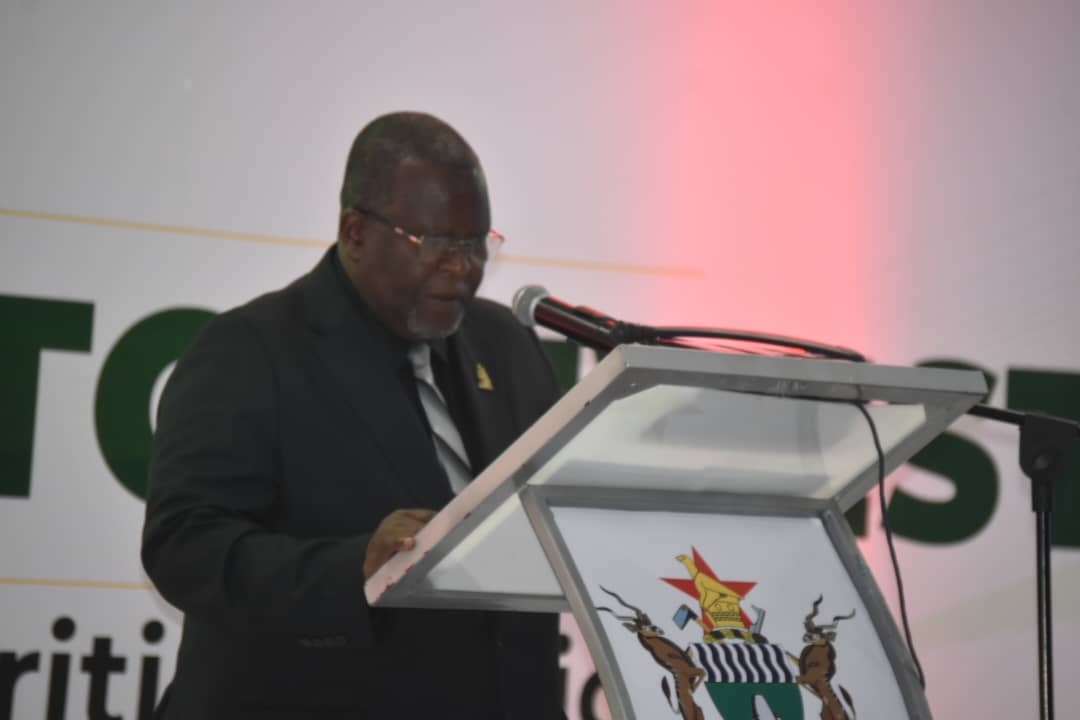
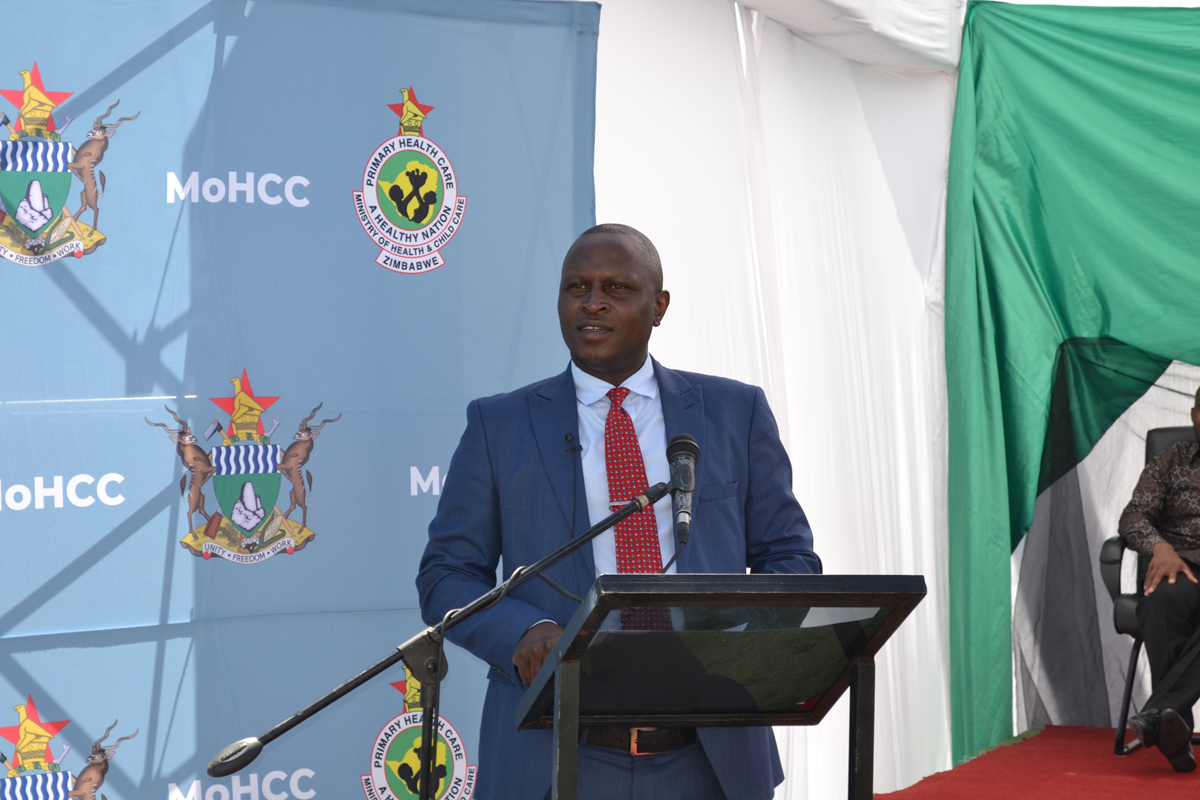
Speaking on behalf of Health and Child Care Minister Dr Douglas Mombeshora, Parirenyatwa Group of Hospitals Chief Medical Officer Dr Tsitsi Magure said the development reflects the government’s commitment to expanding access to world-class healthcare.
“As the Ministry of Health and Child Care, we commit to continue working in partnership with all stakeholders, including our partners from the People’s Republic of China, to ensure that neuromodulation care is progressively extended to all who need it, regardless of their situation or circumstances,” she said.
“The Government of Zimbabwe has been clear and consistent in its vision that no Zimbabwean should be left behind and that the highest standards of modern medical care should not be the preserve of those who can afford to seek it beyond our borders. Our guiding philosophy is that quality healthcare is a right and not a privilege.”
According to Dr Mombeshora, the introduction of neuromodulation surgery addresses a longstanding gap in neurological care.
“For too long, conditions such as Parkinson’s disease, dystonia, essential tremor and chronic pain have meant for many of our citizens a slow and painful decline in quality of life, or an expensive journey abroad that only a privileged few could ever contemplate,” he said.
“Treatments that transform these conditions were thought to belong only to the so-called First World. The introduction of neuromodulation, and deep brain stimulation in particular, places Zimbabwe among a very small group of nations on the African continent able to offer this advanced therapy. It is a remarkable achievement and one that every Zimbabwean should take pride in.”
The minister said the achievement builds on recent efforts to strengthen specialised healthcare services, including the re-establishment of open-heart surgery programmes in Zimbabwe.
“These are not isolated events. They are the fruit of a deliberate government strategy aimed at bringing world-class services to Zimbabwe, introducing capabilities that did not previously exist in our country and building local expertise to ensure sustainability,” he said.
Chinese Ambassador to Zimbabwe Ding Zhou described the development as an example of growing medical cooperation between the two countries.
“A delegation from the Neuromodulation Working Group of the China-Africa Hospital Alliance visited Harare, engaging in clinical exchanges, joint training and academic discussions with local doctors. The aim is to strengthen Zimbabwe’s neurological care capacity,” he said.
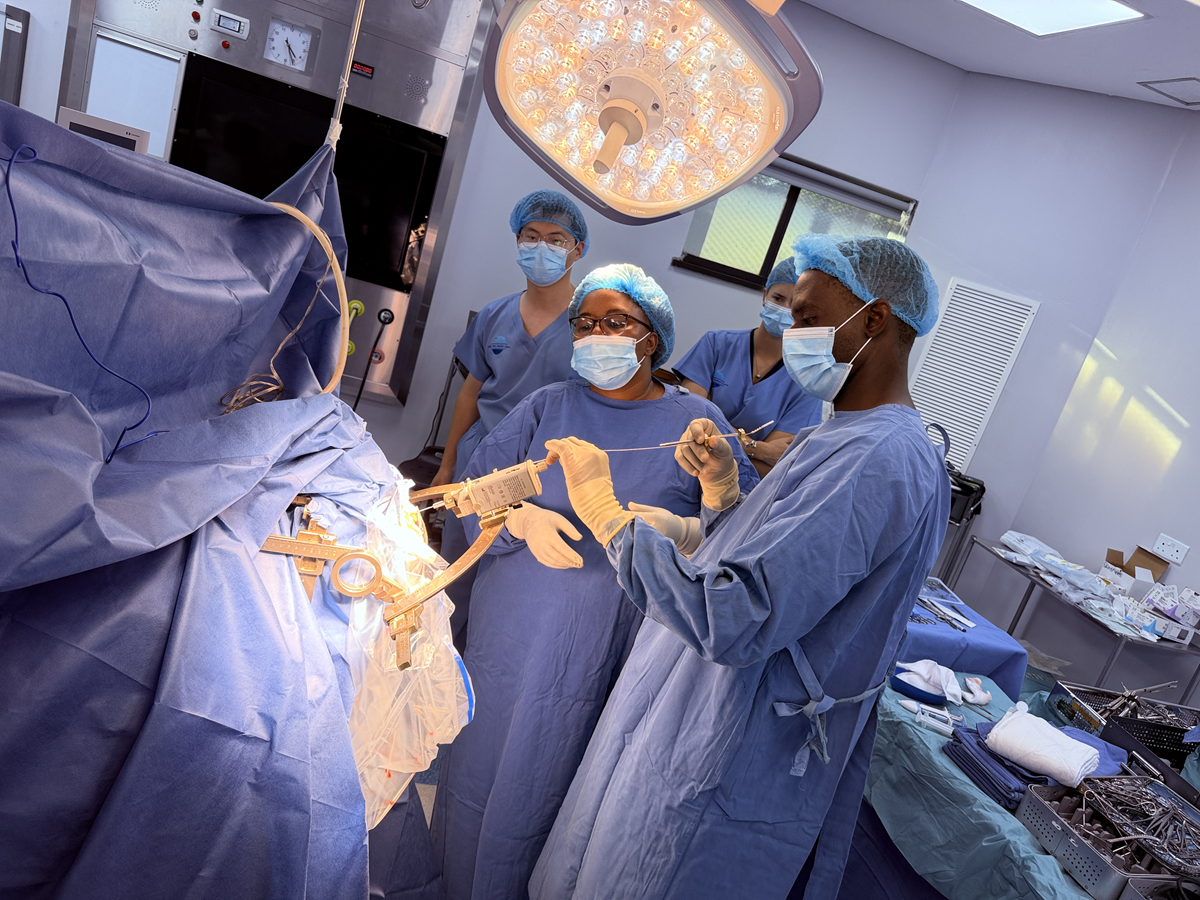
“In an exciting breakthrough, Chinese and Zimbabwean doctors jointly performed two pioneering neuromodulation surgeries, the first of their kind in Zimbabwe, marking the debut of China’s advanced neuromodulation technology in Africa.”
Zimbabwe Association of Neurological Surgeons representative Dr Aaron Musara said the technology would significantly expand treatment options for patients with complex neurological conditions.
“These are surgeries which for a long time were not available locally for conditions such as Parkinsonism, spasticity and other disorders involving increased muscle tone,” he said.
“It is also used for conditions such as epilepsy, where patients with seizures that do not respond to treatment can receive electrical implants that help prevent seizures from occurring.”
Dr Musara said the introduction of the procedure follows more than two years of collaboration and specialised training between Zimbabwean and Chinese medical teams.
“This is a surgery that has not been available in Zimbabwe all along. We are happy that the treatment has finally been introduced locally,” he said.
Dr Zimani revealed that Zimbabwe’s first deep brain stimulation procedure was successfully performed on a 71-year-old patient.
“Since 2024, through partnerships, we have been working to introduce a treatment that has never been available in Zimbabwe before,” he said.
“This treatment is available in Europe, America and a few African countries such as South Africa. To the best of my knowledge, Zimbabwe is now the second country in Southern Africa to offer it.”
The inaugural procedure took approximately 16 hours and required multiple CT scans.
“Yesterday we successfully carried out what we call deep brain stimulation. We place a wire into a specific area of the brain to help control abnormal movements and tremors,” said Dr Zimani.
Li Chong, lead coordinator of the Neuromodulation Joint Working Group under the China-Africa Hospital Alliance, said the technology has been rapidly advancing in China and is increasingly used to treat complex neurological and psychiatric disorders.
“It is mainly used for refractory neurological, functional and psychiatric disorders such as Parkinson’s disease, dystonia, epilepsy, essential tremor and depression,” he said.
Health experts say the introduction of neuromodulation surgery will not only improve access to life-changing treatment for patients with neurological disorders but also strengthen Zimbabwe’s position as an emerging centre for specialised medical care in the region.