By Kuda Pembere
As Zimbabwe works to address maternal health challenges and close the gap on zero-dose children while pushing for universal health coverage, the Health Ministry has taken delivery of immunisation vehicles, emergency response units, oxygen lorries, tricycles and cold chain equipment from UNICEF and its development partners to strengthen service delivery.
A total of 305 tricycles were procured through UNICEF with funding from the Government of Canada, the French Government, Gavi, The Vaccine Alliance and Africa CDC.
UNICEF also handed over 22 Land Cruiser vehicles, procured with support from Gavi, The Vaccine Alliance, to serve 22 high zero-dose districts and improve outreach capacity. The vehicles are expected to ensure that every child, especially those in hard-to-reach communities, has access to life-saving vaccines.
With funding from the Bill & Melinda Gates Foundation, UNICEF procured five Emergency Preparedness and Response Land Cruiser vehicles for Manicaland, Masvingo, Mashonaland Central, Mashonaland West and Matabeleland South provinces, which were hardest hit by the 2023 to 2024 cholera outbreak.
To complement the Pressure Swing Adsorption oxygen plants at Chinhoyi and Lupane Provincial Hospitals, UNICEF handed over two lorries to support reliable last-mile oxygen delivery. The procurement was made possible through the UNICEF Supply Support Fund for COVID-19. The investment is critical for maternal, newborn, child and adolescent health, as well as emergency care, ensuring oxygen reaches facilities that need it most.
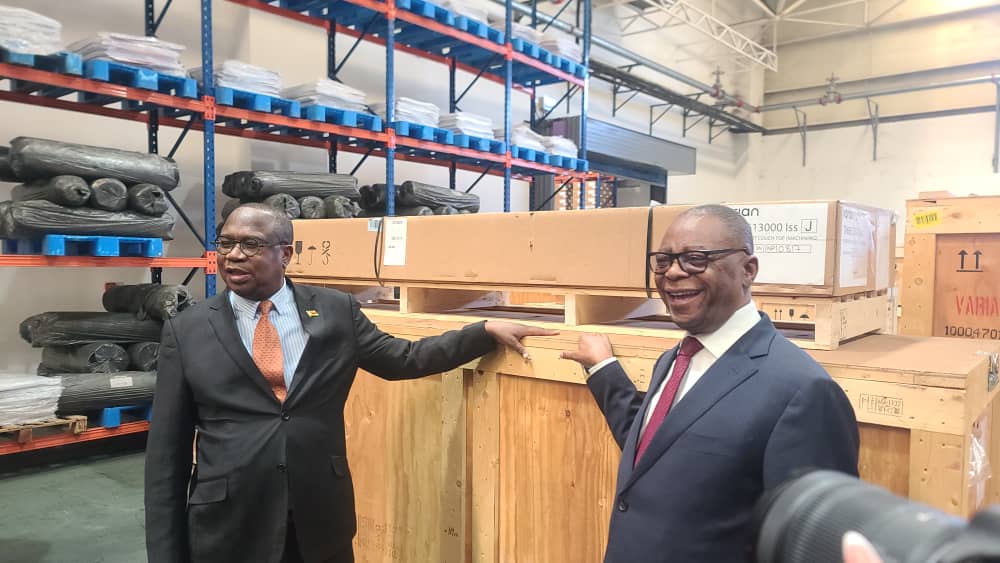
Government also received 468 cold chain refrigerators, including 103 solar direct drive units and 365 grid-connected electrical units. Of these, 234 were procured with Gavi funding and the remaining 234 with Africa CDC support.
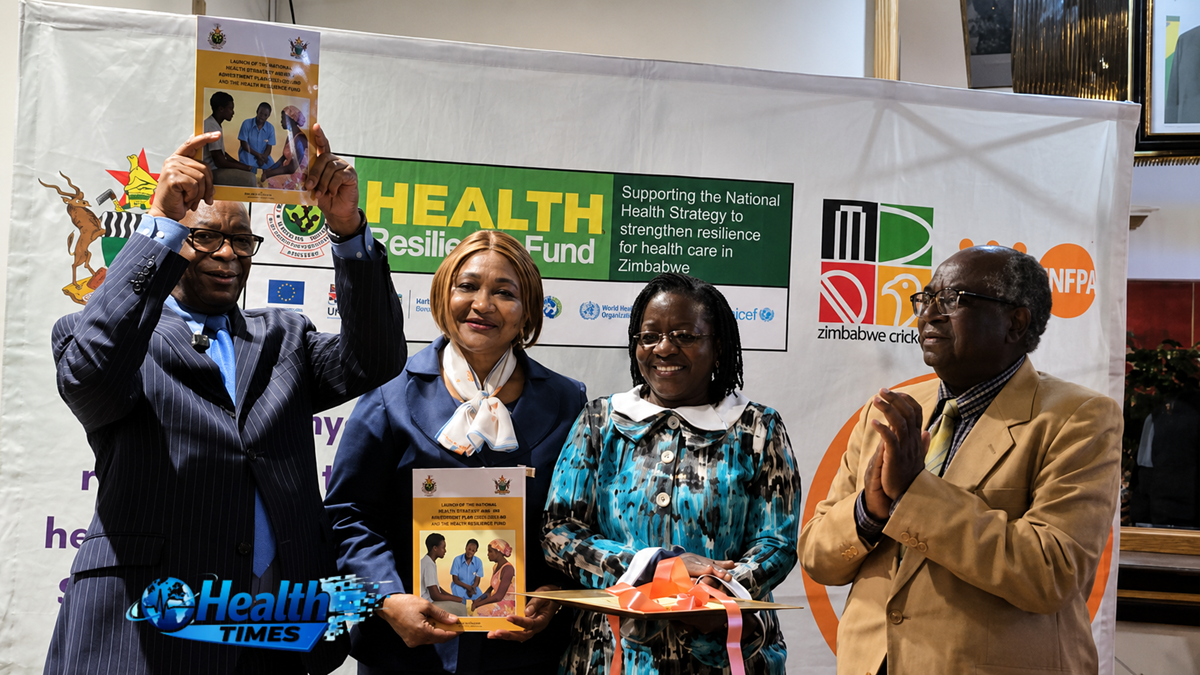
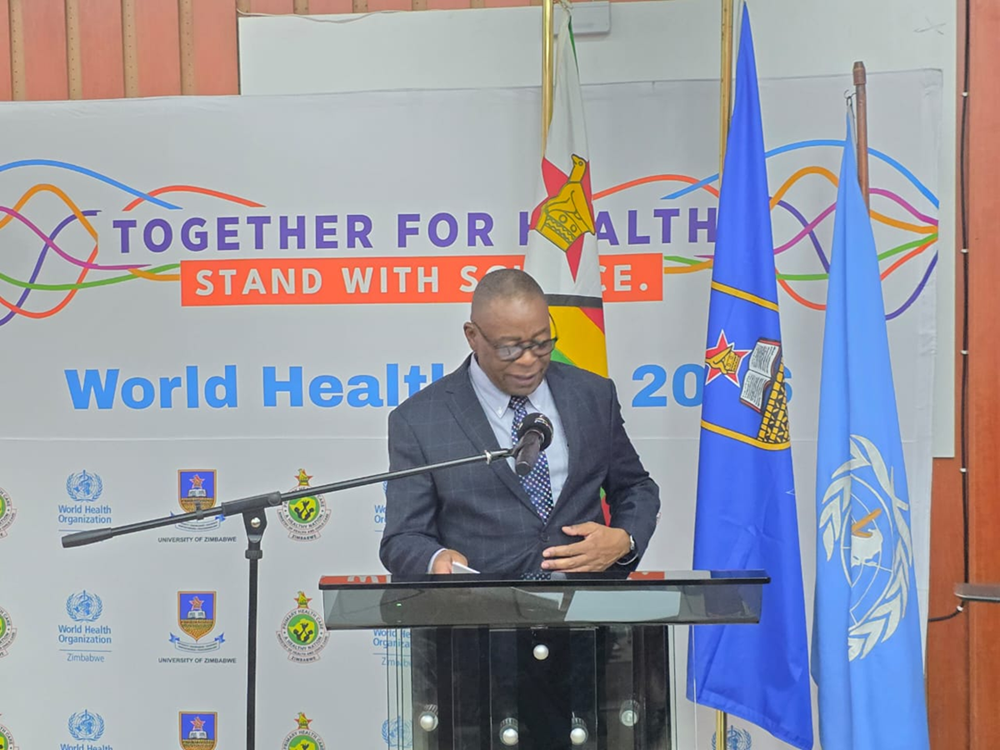
Officiating at the handover ceremony, Health and Child Care Minister Dr Douglas Mombeshora said the donation represented movement towards equity, a key pillar of universal health coverage.
“But I’m happy to be with you today as we formally accept this important package of vehicles, tricycles and oxygen delivery trucks on behalf of the Government of Zimbabwe.
“Today is really about movement, movement of vaccines, movement of oxygen, movement of health workers and most importantly, movement towards equity,” he said. “We are receiving outreach vehicles and tricycles that will help our nurses and environmental health officers reach places where even Google Maps attempts fail to reach. Some clinics are far, roads are rough, but illness does not wait for good roads.”
He said the donation reflected President Emmerson Mnangagwa’s mantra of leaving no one and no place behind.
“These resources say to every child and every community, we haven’t forgotten you. We are on our way. This is in keeping with our President, His Excellency Comrade Dr E.D. Mnangagwa’s mantra of leaving no one and no place behind. We are also strengthening our oxygen delivery system. COVID-19 taught us many hard lessons, one of them being that oxygen is not a luxury.
“It is a basic lifesaver. These oxygen delivery vans ensure that when a patient needs oxygen, the question is no longer is it there but when is it arriving,” the Minister said.
He noted that partnerships are critical at a time when global financing for health is shrinking.
“Colleagues, we meet at a time when global financing is under pressure. Resources are shrinking, yet needs remain great.
“That is why today’s support matters even more. It is a strong statement that partnerships still matter and that Zimbabwe’s children are still worth investing in. Let me say this clearly,” he said. “Universal health coverage does not begin in conference rooms. It begins in villages, farms and growth points. These vehicles will help us take health services beyond hospital walls and closer to where people live.”
He commended health workers across the country for their steadfast commitment to delivering services and advancing universal health coverage.
UNICEF representative to Zimbabwe Etona Ekole said although Zimbabwe has made progress in improving vaccination coverage, gaps remain.
“So at the moment, Zimbabwe has made strides in vaccination but there’s still much that remains to be done. We do have a lot of zero-dose children, which means children who have never been vaccinated, they’ve never received any dose of any of the major antigens that will protect them,” she said. “And so it’s important that we actually have this equipment which can be used by health workers to really try to find those children who need to be vaccinated.”
She said DPT3 coverage stands at 95 percent.
“We do have high coverage for some antigens like DPT3, which is about 95%. And we think that about 70% of all children are fully immunised. But around 30% still need to become fully immunised.