By Michael Gwarisa
While vaccine resistance has traditionally been associated with impoverished communities and apostolic sects, Zimbabwe is now experiencing a concerning rise in vaccine hesitancy among affluent urban populations.
Recent data from the WHO/UNICEF Estimates of National Immunization Coverage (WUENIC), 2024, shows that approximately 34,000 children in Zimbabwe go without basic vaccinations each year.
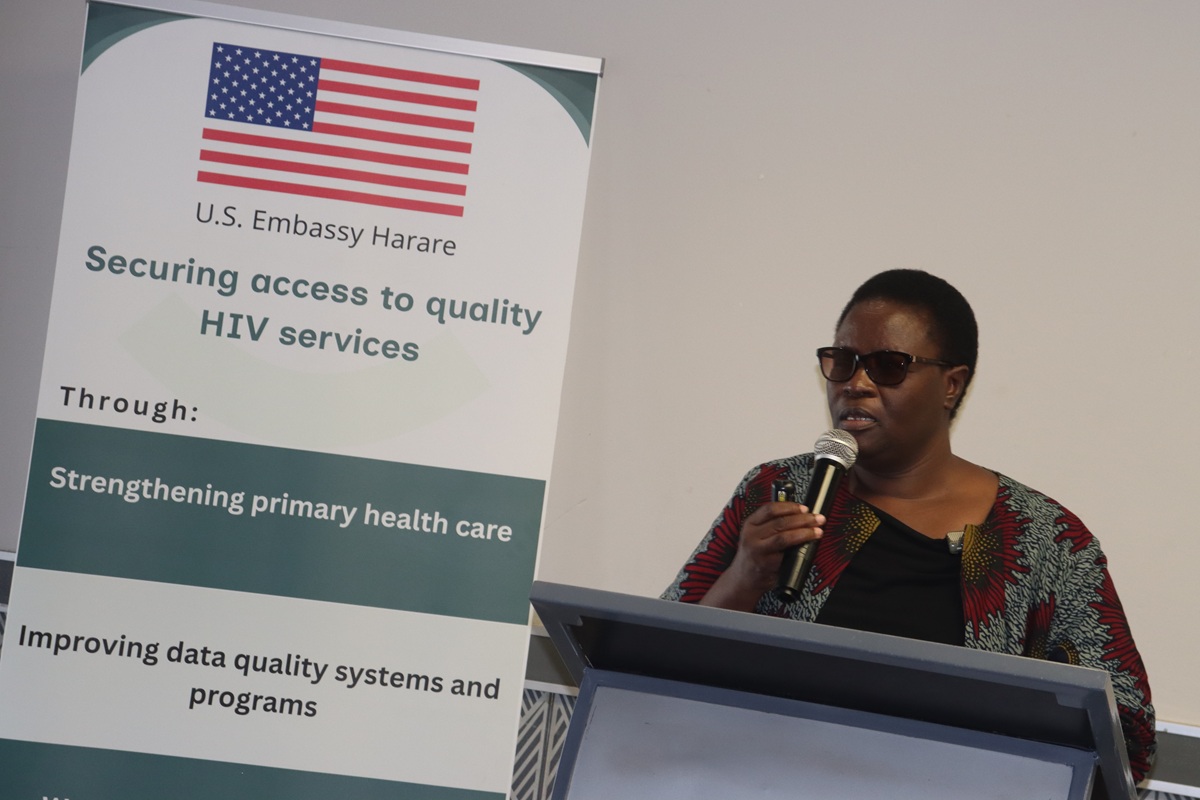
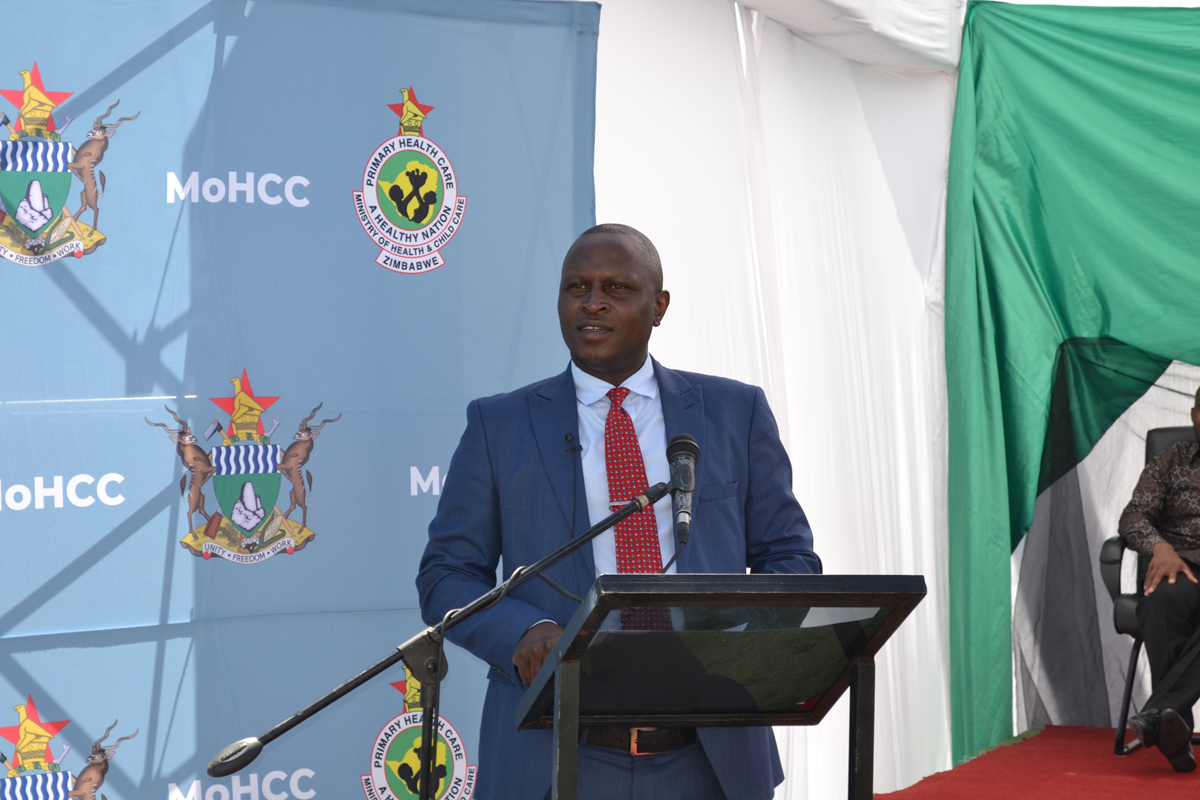
Speaking at a Zimbabwe College of Public Health Physicians symposium in Harare, Dr. Lucia Takundwa Gumbo, a Health Specialist with UNICEF Zimbabwe, highlighted the shifting landscape of vaccine objectors in the country.
I believe there is a need to come up with messaging that targets those who live on the other side of Samora regarding vaccinations. We are witnessing an increased number of rich and elite vaccine objectors in Zimbabwe,” said Dr. Gumbo.
She emphasized the need for Zimbabwe to modernize its immunisation communication strategy to effectively reach both elite communities and traditionally underserved populations.
“You know, when we were growing up, we used to hear messages about immunisations on the radio. And I remember as a young child, I would tell my mom, ‘Mama, I heard on the radio they said they are going to inject children.’ We used to hear it, but these days, we don’t hear it. It actually passes by. So for me, I think there has to be some sort of intentionality in reaching the other sides of Samora and beyond,” she said.
In 2023, UNICEF conducted a Zero-Dose Assessment in Harare, Bulawayo, and Chitungwiza to determine the burden of children under five who had never received any routine vaccinations. The assessment also sought to establish where these “zero-dose” children were located and why they had missed out on essential immunisations.
In a separate interview with HealthTimes, Dr. Rudo Chikodzore, UNICEF Zimbabwe’s Health Specialist for Immunization and Public Health Emergencies, echoed concerns about elite vaccine hesitancy, describing it as a growing threat to the country’s immunisation efforts.
“Vaccine hesitancy fueled by misinformation, religious beliefs, or low risk perception has contributed to the high number of zero-dose children. There is also a growing population of elite vaccine-hesitant individuals, particularly in urban areas,” said Dr. Chikodzore.
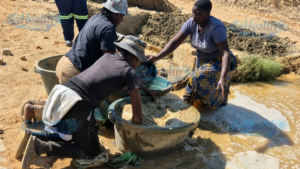
She added that transient populations, including artisanal miners, contract farmers, and informal traders, also face barriers to accessing immunisation services, resulting in many children missing key vaccines in the national immunisation schedule.
Dr. Chikodzore further noted growing urban immunisation inequities, driven largely by the proliferation of informal settlements and rapid urbanisation.
“There is a rising number of zero-dose children in informal settlements. Health worker migration and retention challenges also undermine the continuity of immunisation service delivery,” she said.
In 2024, data revealed that there were approximately 948,000 zero-dose children in Southern Africa, Zimbabwe included. The top 10 countries accounted for the entire figure, with Angola having the highest number at 406,000, followed by South Africa with 278,000. These two countries alone made up 43 percent and 29 percent of the region’s zero-dose children, respectively.