By Kuda Pembere
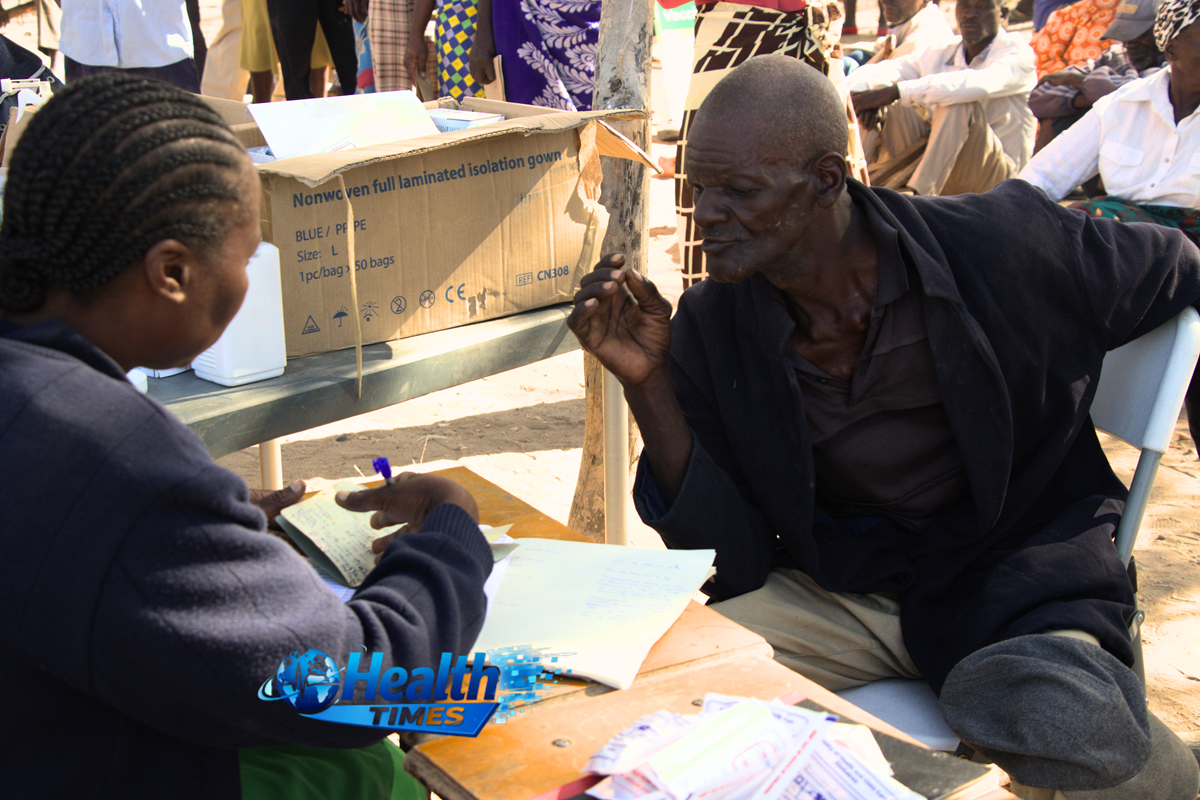
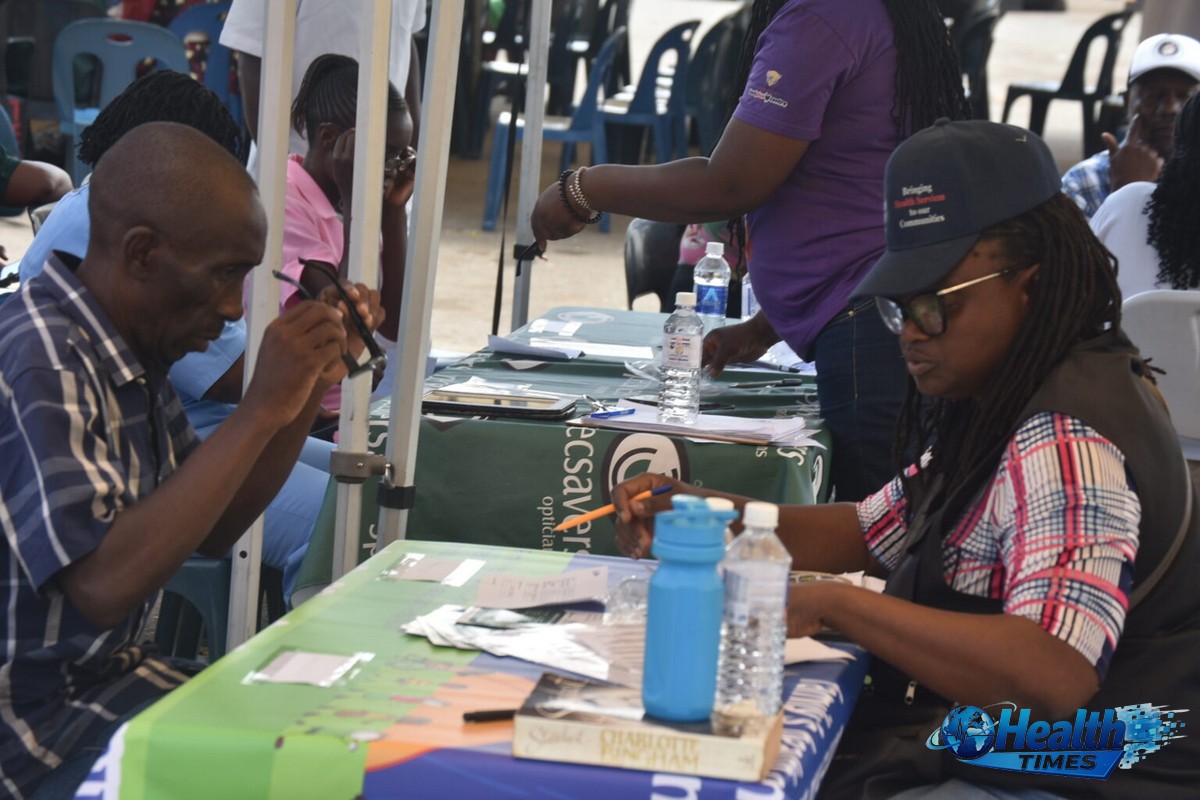
The Rotary Club of Msasa, in partnership with Specsavers Zimbabwe, on Monday distributed reading glasses to hundreds of patients at Sally Mugabe Central Hospital, in a community outreach programme welcomed by beneficiaries.
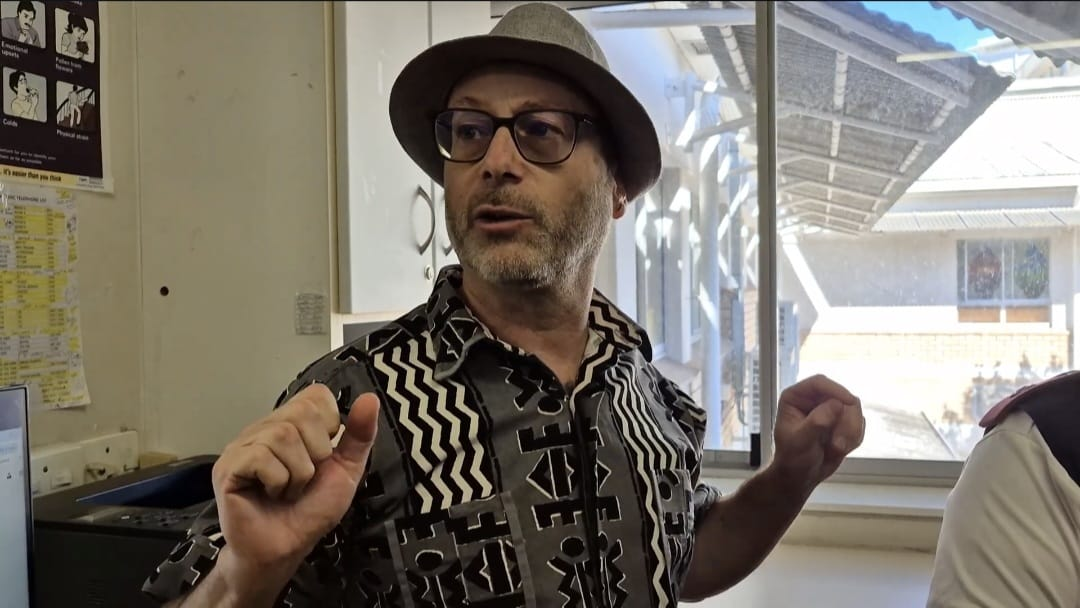
Speaking to HealthTimes, Specsavers Managing Director and lead optometrist Mwaka Zamchiya said the initiative went beyond donations to include eye screening services.
“So today we are here to do eye screening outreach, a wellness community outreach where we are screening the public to check their vision for distance but particularly today it is a reading vision exercise to check their near vision. So we are screening them and those we identified who need reading glasses are being given reading glasses for free,” Zamchiya said.
She said the glasses were donated through global and local partnerships.
“The reading glasses were donated by Restoring Vision and Rotary Family Health Days and they come through the Rotary Club of Msasa, and as Specsavers Opticians we are the professional partner because this is our job and this is the profession that we do.
“When we identify those who need more vision care, we also have an optometrist on site who is doing comprehensive eye examinations to see what glasses they may need for their assistance,” she said.
The programme primarily targeted people aged over 40, a group most affected by presbyopia, a natural age-related decline in near vision.
“So we specified over 40 because generally in everybody from 40 going onwards is when reading glasses are required. An eye condition, or an eye state, I shouldn’t say it’s a condition, it’s not a disease, it’s just a condition of the eyes… This one is called presbyopia and it basically describes that the eye, the lens particularly, is not able to focus for reading as it used to when we were younger.
“So as we get older it becomes more difficult… we start to move the page a bit further away… and it’s an indication that the lens isn’t able to do the work that it used to do,” she said.
Zamchiya noted that the condition is widespread.
“How about globally? Everybody who reaches middle age going upwards will need reading glasses at some point in their life… So if you’re looking for percentages of prevalence, I’ll easily say 90% of the population gets into reading glasses at some point,” she said.
She also emphasised the importance of regular eye examinations, saying many people unknowingly live with vision problems or underlying conditions.
“Regular eye checks are essential. We take for granted that we can see when we don’t necessarily see as well as we should… We assume that what we’re seeing is how we should see, and it’s not necessarily always the case,” she said.
“So regular eye examinations identify where there’s what we call refractive error… But as well as that, we’re also checking the eye health. You may be able to see clearly, but your eye has a condition… which hasn’t been identified.”
Zamchiya warned that some serious conditions can go undetected without routine screening.
“Particularly, we have a condition which is very high in the African population called glaucoma, where people go blind because they’re not having regular eye examinations… and once sight is lost, it cannot be restored.
“As well as that, an eye examination can identify uncontrolled pathologies in the body, such as hypertension… diabetes… We can even identify brain tumours… high cholesterol,” she said.
She added that eye checks can be life-saving.
“So we’re not just giving you glasses… we’re also checking that the eyes are working together… and that the body is working as it should do.
“Eye practitioners… have been known to save people’s lives simply because they came for an eye check. So we say every two years is essential.
“Younger children up to the age of 12, we say every year. Older people from 60 onwards, we say every year as well,” she said.
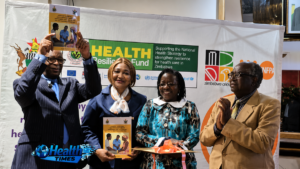
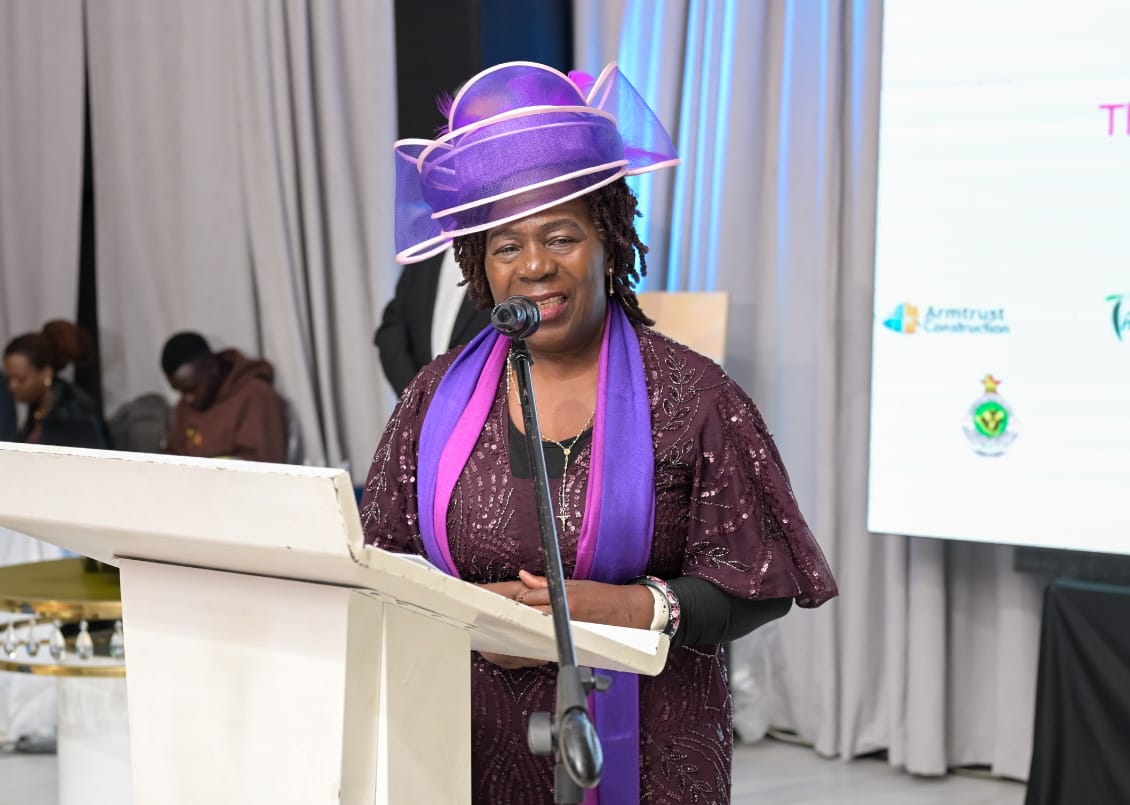
President of the Rotary Club of Msasa, Philippa Chengeta, said the initiative is part of the organisation’s community service efforts.
“So this is one of them. We have chosen to do an eye screening together with the Rotary Family Health Days who have supported us. We have had donations coming in from Ireland, from different places… for us to be able to carry out this exercise.
“We are looking at doing more of these in our community. A lot of people are not able to afford reading glasses… so what we have done is collected them so that we are able to give back to the community.
“Rotary is all about serving the community… and this is one of the pillars of Rotary which is health,” she said.
Beneficiaries expressed appreciation for the initiative.
“I came here as a doubting Thomas after learning about this initiative. But now, with the screening and getting the glasses, I am happy I can read well,” said a patient from Hatcliffe Extension.
Another beneficiary from Granary said she can now read messages on her phone more easily, something she previously struggled to do.