By Kuda Pembere
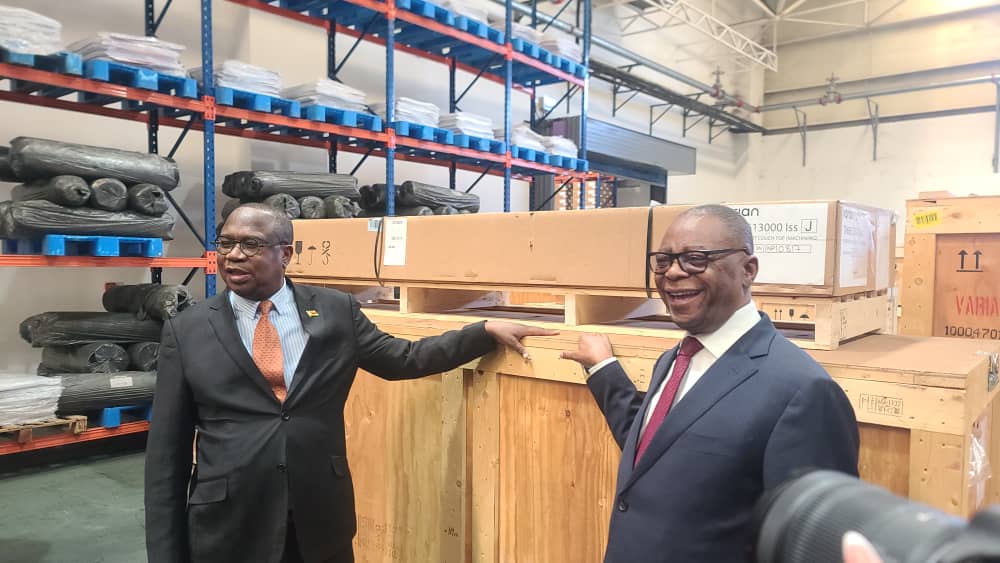
Zimbabwe has received specialised children’s rehabilitation equipment worth more than US$170,000 from the Government of South Korea, a development expected to improve treatment and rehabilitation services for children living with cerebral palsy across the country.
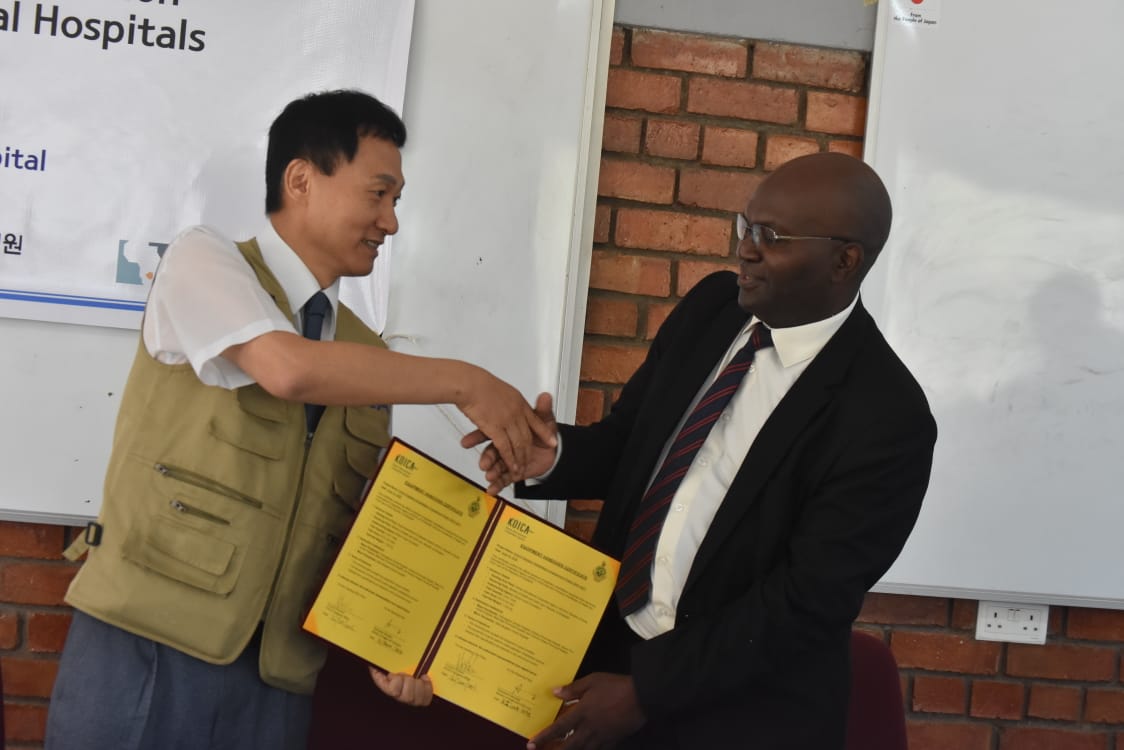
The equipment was handed over at Sally Mugabe Central Hospital through the Korea International Cooperation Agency (KOICA) and the Africa Future Foundation (AFF), marking another milestone in a partnership that has supported paediatric rehabilitation services in Zimbabwe since 2019.
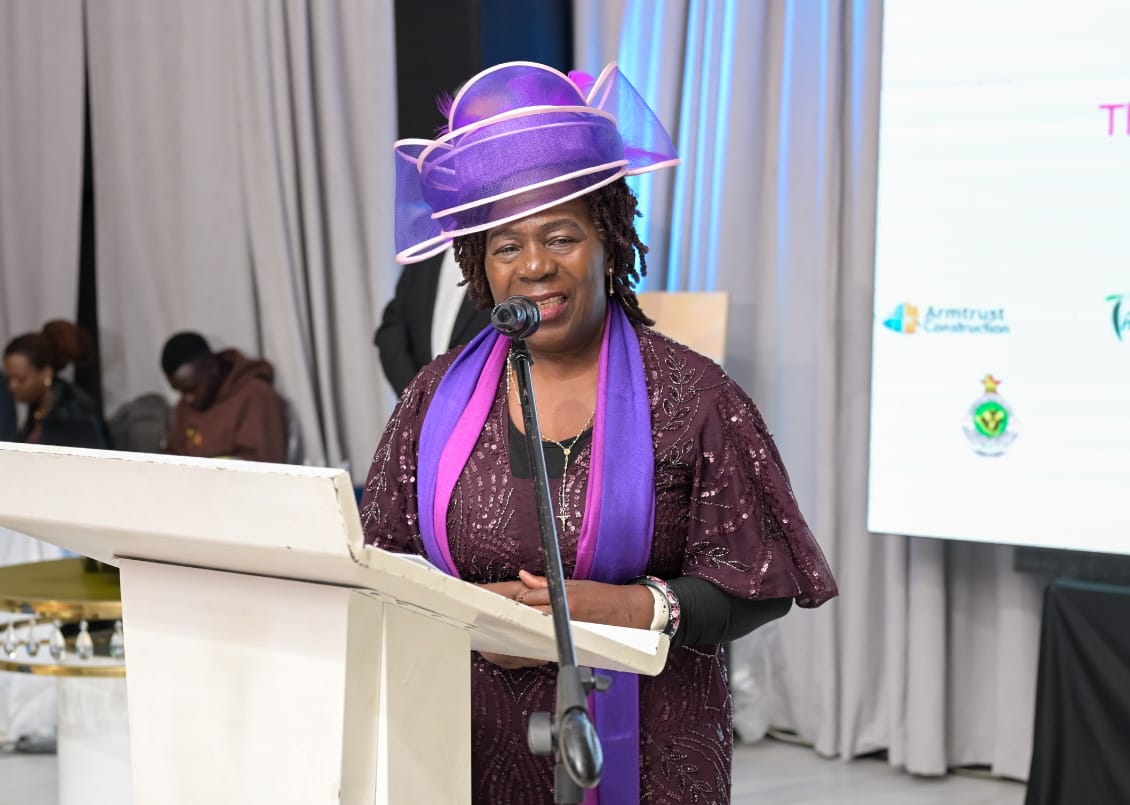
Speaking during the handover ceremony on behalf of the Secretary for Health and Child Care, Dr Aspect Maunganidze, Sally Mugabe Central Hospital Chief Medical Officer Hopewell Mungani said the donation would strengthen the country’s healthcare system and improve the quality of life for children requiring specialised rehabilitation services.
“We gather here at Sally Mugabe Central Hospital’s Children’s Rehabilitation Unit to receive a transformative donation of children’s rehabilitation equipment,” said Mungani.
“This generous contribution comes from our valued partners, KOICA and the Africa Future Foundation. On behalf of the Government of Zimbabwe, I extend our heartfelt gratitude to KOICA and AFF. Your unwavering generosity directly strengthens our healthcare system.”
The latest consignment of equipment is valued at US$170,150 and is expected to benefit children living with cerebral palsy, a neurological condition that affects movement, muscle coordination and posture.
Health officials said the donation represents more than just equipment, describing it as a long term investment in the wellbeing and development of affected children and their families.
Mungani noted that the partnership had grown significantly over the years, expanding from a single institution into a nationwide rehabilitation network.
The project was first introduced at Sally Mugabe Central Hospital in 2019 before being extended to Bindura Provincial Hospital and Gwanda Provincial Hospital.
The current third phase of the programme has since incorporated five additional health institutions, namely Chitungwiza Central Hospital, Mutare Provincial Hospital, Chinhoyi Provincial Hospital, Masvingo Provincial Hospital and Gweru Provincial Hospital.
“What started as a focused intervention has now grown into a powerful national network,” said Mungani.
According to the Ministry of Health and Child Care, the newly acquired equipment is expected to deliver several benefits, including improved clinical outcomes for children with cerebral palsy through access to specialised therapeutic interventions.
The equipment is also expected to enhance the effectiveness of rehabilitation therapists and clinicians by providing modern tools necessary for treatment and patient care.
In addition, authorities said the programme seeks to empower caregivers by equipping parents and guardians with the skills and knowledge needed to support children with disabilities at home.
“This initiative equips mothers, fathers and guardians with the knowledge and resources to safely care for and support their children at home, fostering a strong community support system,” Mungani said.
Despite the progress achieved so far, health authorities said significant gaps remain in access to rehabilitation services, particularly in provinces that are yet to benefit from the programme.
The Ministry of Health and Child Care has appealed to KOICA and the Africa Future Foundation to consider extending support to more institutions.
Among the hospitals earmarked for future expansion are Mpilo Central Hospital, United Bulawayo Hospitals, Marondera Provincial Hospital, St Luke’s Hospital and Ruwa National Rehabilitation Hospital.
“With your continued support, we can ensure that geography never limits a child’s right to walk, play and thrive,” Mungani said.