Kuda Pembere
Taking care of a child with diabetes requires regular mental health therapies as it takes a huge toll on the caregiver. This was said by Thelma Roberts, a mother to a two year old son diagnosed with diabetes six months ago.
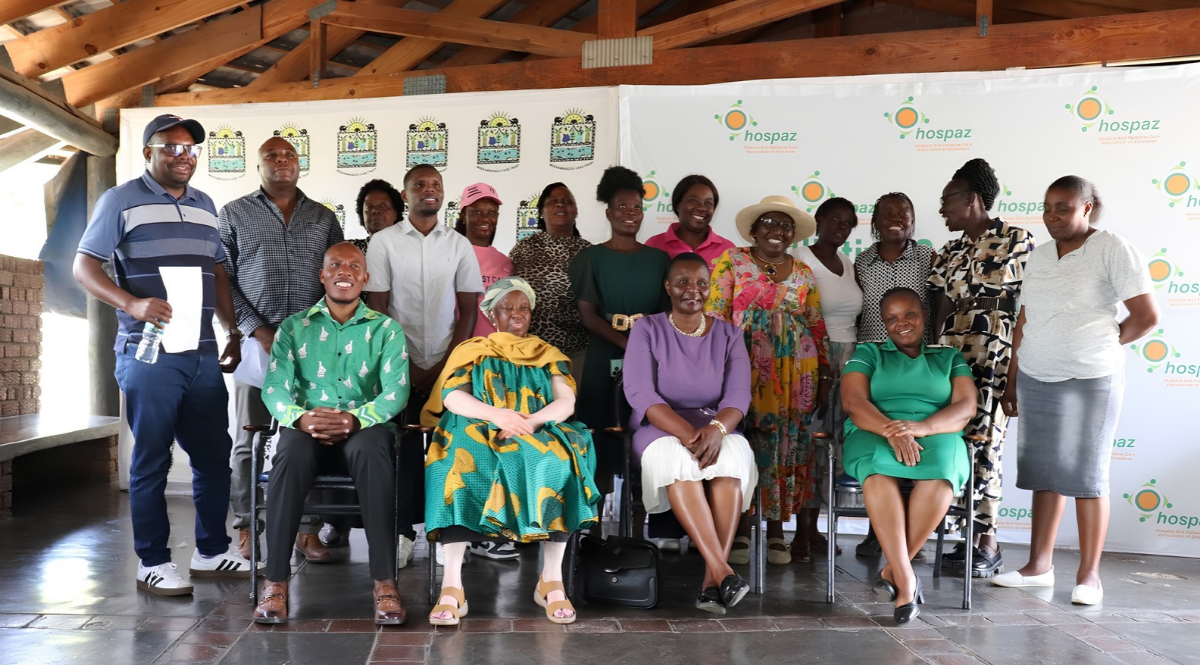
She said this on the sidelines of a pediatric diabetes workshop held at Parirenyatwa Group of Hospitals recently.
“Somehow I think it is a blessing because we managed to find out what he had and now I know what I am dealing with. It is unfortunate we are in Africa but as caregivers we need regular mental therapy sessions because it takes a toll on our mind. It’s not easy dealing with this disease,” she said. “When your child gets into hypoglycemia, sometimes they don’t wake up easy. You have to take them to hospital when they faint. Maybe two hours the child has fainted and you are carrying your child and you don’t know whether the child is lifeless or not.”
Roberts said the dietary requirements are difficult to come across.
“The diet for diabetes is not easy. They recommend us to use wholemeal foods such as mhunga, zviyo, the foods usually found in rural areas.
“It is expensive and not readily available. For a 2KG packet of zviyo, it’s US$6 and for my child who is only two years, it’s one week meal,” she said.
For medication, Roberts said, she forks out about USD130 in strips and medicine.
“Then there is this issue of medication and glucometers. That’s another very big challenge. Every diabetic has different medication but in my case, my child takes novorapid and Lantus and those two are US$29 a month.
“We use strips and he uses 140 strips per month because he is a child and you cannot tell the sugar levels are low or high so I have to be checking hourly.
“Sometimes it’s two hours or at times when I see the symptoms or when the sugar goes down, I have to check continuously.
“So I end up using 140 strips per month and each packet of strips which comes with 50 costs US$13.50 multiply that by 7 which gives us around US$100. Bear in mind that does not include the food that he eats daily,” she said.
Tashinga Neshamba now 22 also finds the issue of diet challenging.
“Medication I am OK but diet is a really big challenge not because you will be taking things that are not allowed but at times portions play a major part in maintaining our sugar levels,” she said.
Sally Mugabe Children’s Hospital pediatrician specializing in diabetes Dr Prisca Mureriwa explained that insulin production is important to prevent diabetes.
“When someone has Type 1 diabetes, the problem is with the pancreas not producing insulin to let glucose into the cells. Insulin is a life saving hormone which should be functioning well,” she said.
She said the incidence in Africa is phenomenally high.
“So the incidence of diabetes in the world is increasing as latest figures show a 51 percent increase. In Europe it is 15 percent and in Africa we have 143 percent,” said Dr Mureriwa. “Some of the reasons include the fact that in the past we didn’t know about insulin. When a child would pee on himself in the blankets while sleeping, they would be beaten instead of being sent to the hospital. The other reason is the diets we have. There are various diseases such as COVID-1 which exacerbated diabetes. There are many things happening which make people vulnerable to diabetes.”