By Michael Gwarisa
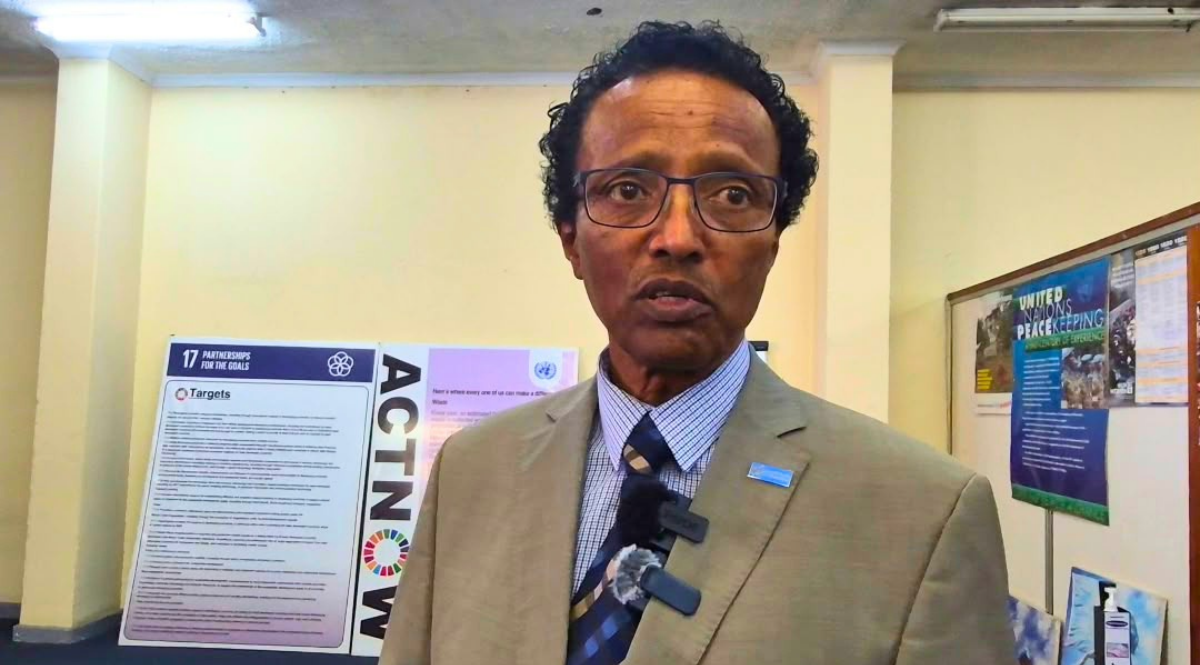
The United Nations Human Rights Council has commended Zimbabwe for its historic decision to abolish the death penalty, marking a significant milestone in the country’s human rights journey. The announcement was made during a high-level panel discussion at the UN Human Rights Council on February 25, 2025, where Zimbabwe’s Attorney General, Honourable Virginia Mabiza, delivered a landmark address.
The discussion, held under the theme The Contribution of the Judiciary to the Advancement of Human Rights and the Question of the Death Penalty, saw Zimbabwe receive widespread recognition for its progressive legal reforms. The Human Rights Council, an intergovernmental body tasked with promoting and protecting human rights globally, praised Zimbabwe for its commitment to justice and human dignity.
In her address, Honourable Mabiza outlined Zimbabwe’s journey towards the abolition of the death penalty, highlighting three key historical phases:
- The Pre-Colonial Era – Characterized by traditional values and restorative justice.
- The Colonial Period – Marked by the imposition of retributive justice and the introduction of the death penalty by colonial powers in the 18th century.
- The Post-Colonial Era – Defined by Zimbabwe’s ongoing quest for justice, reconciliation, and the protection of human rights.
At independence in 1980, Zimbabwe inherited a legal system that imposed the death penalty for various offenses, including murder, attempted murder, treason, rape, and aggravated robbery. However, over the years, the government undertook a series of legal and policy reforms aimed at reducing the scope of capital punishment. By 2013, the number of offenses carrying the death penalty had been reduced to only one—murder committed under aggravating circumstances—bringing Zimbabwe in line with UN General Assembly Resolution 52 on limiting the use of capital punishment.
Judiciary’s Role in the Abolition Process
Mabiza highlighted the instrumental role played by Zimbabwe’s judiciary in shaping the legal landscape regarding the death penalty. She noted that courts had frequently commuted death sentences to life imprisonment on human rights grounds, citing degrading prison conditions and concerns over capital punishment’s violation of fundamental rights.
Between 1980 and 2005, 105 convicted offenders were executed in Zimbabwe. However, since 2005, no executions have taken place due to evolving judicial practices and government policy. The 2013 Constitution introduced significant restrictions on the use of the death penalty, exempting women, individuals under the age of 21, and those above 70 from capital punishment.
Enactment of the Death Penalty Abolition Act
A major turning point came in 2024 when Zimbabwe enacted the Death Penalty Abolition Act [Chapter 9:26], officially outlawing capital punishment. The legislation placed a legal obligation on key justice institutions, including the Minister of Justice, the Prosecutor General, and the Commissioner General of Prisons, to ensure that all prisoners previously sentenced to death were brought before the High Court for resentencing.
International Recognition and Praise
Following Zimbabwe’s announcement, several UN member states commended the country’s efforts. His Excellency Maxime Prevot, Deputy Prime Minister and Minister of Foreign Affairs of Belgium, speaking on behalf of a core group of nations including Benin, Costa Rica, France, Mexico, Mongolia, the Republic of Moldova, and Switzerland, welcomed Zimbabwe’s move and encouraged other states to follow suit or at least impose a moratorium on the death penalty.
Switzerland also lauded Zimbabwe’s decision, with representatives noting the presence of Honourable Mabiza at the UN Human Rights Council as a testament to Zimbabwe’s dedication to upholding human rights.
UN High Commissioner for Human Rights Volker Türk emphasized the global trend toward the abolition of the death penalty, highlighting that 113 countries have now completely abolished it. He commended Zimbabwe for joining 26 other African nations in eliminating capital punishment, reinforcing the country’s commitment to human rights and justice.