By Shamiso Yikoniko in Kigali, Rwanda
The World Health Organization (WHO) has released updated HIV prevention, treatment, and care guidelines during the 13th International AIDS Society (IAS) Conference on HIV Science in Kigali, Rwanda, offering renewed hope in the global fight against HIV. Zimbabwe, home to an estimated 1.3 million people living with HIV, is expected to benefit from these new tools to bolster its already robust response to the epidemic.
The revised guidelines introduce key innovations designed to simplify care, expand prevention options, and improve patient outcomes. Among the most notable updates is the WHO’s endorsement of long-acting injectable therapies, cabotegravir and rilpivirine, for virally suppressed individuals as a convenient alternative to daily oral regimens. The guidelines also add lenacapavir, a new six-monthly injectable for pre-exposure prophylaxis (PrEP), to the prevention arsenal.
In terms of infant care, WHO now advises a risk-based approach to prophylaxis. Low-risk infants will receive six weeks of nevirapine, while high-risk infants, those exposed to untreated maternal HIV or with high viral load, will be given a three-drug regimen to reduce the risk of mother-to-child transmission.
Tuberculosis (TB), one of the leading causes of death among people living with HIV, is also addressed in the guidelines. WHO now recommends 3HP, a three-month combination of rifapentine and isoniazid, as the preferred TB preventive therapy, offering a shorter and more manageable treatment period.
Additionally, pregnant women, adolescents, and other vulnerable groups will be routinely screened for gonorrhea and chlamydia, even when asymptomatic. The guidelines also promote rapid antiretroviral therapy (ART) initiation for people living with untreated HIV and concurrent mpox (monkeypox) infection, to reduce severe complications and improve outcomes.
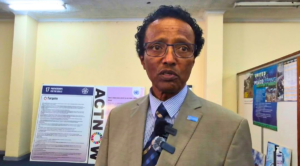
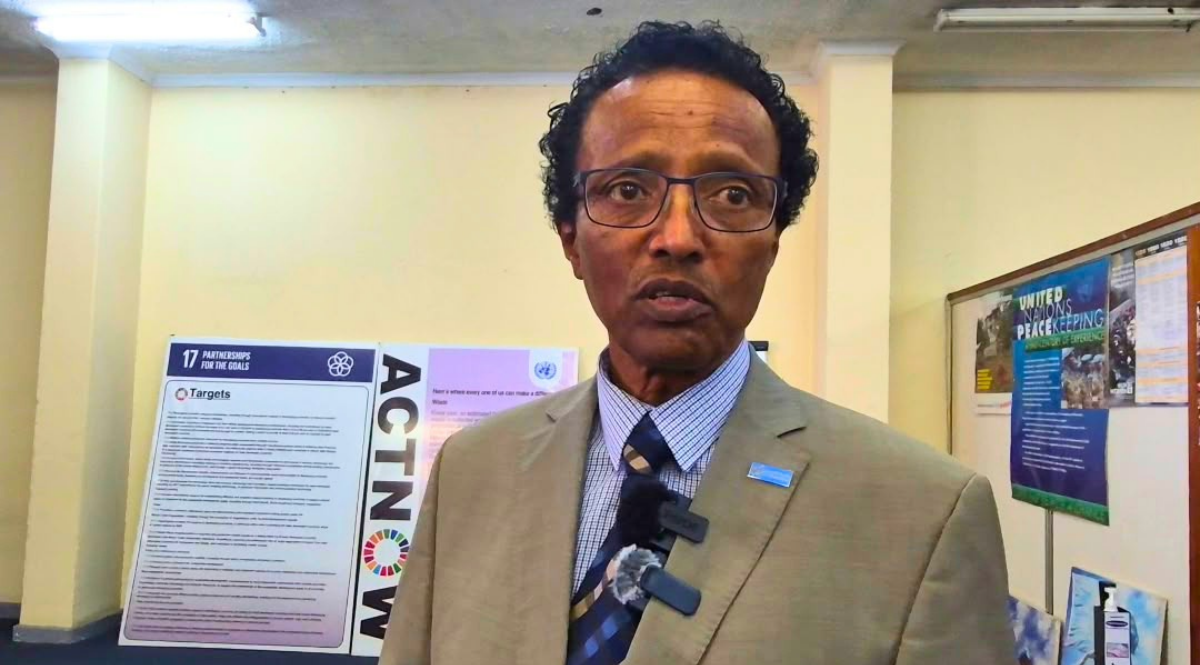
We welcome the new guidelines. As a country, we will review them in line with our national context and adapt them accordingly,” said Dr Owen Mugurungi, Director of the AIDS and TB Unit in Zimbabwe’s Ministry of Health and Child Care, speaking on the sidelines of IAS 2025.
Zimbabwe has made notable strides in controlling the HIV epidemic. According to the Zimbabwe Population-based HIV Impact Assessment (ZIMPHIA) 2020, 86.8% of adults living with HIV (aged 15 and above) are aware of their status. Of those diagnosed, 97.0% are on ART, and 90.3% of those on treatment have achieved viral suppression. This progress places Zimbabwe close to meeting the UNAIDS 95-95-95 targets.
Despite these gains, health experts warn that without rapid adoption and implementation of the new WHO recommendations, progress could stall. The evolving HIV landscape, including drug resistance, comorbidities, and changing transmission patterns, demands updated approaches and sustained political commitment.