World Health Summit Signature Event brings together global leaders, civil society, and philanthropy to move from crisis response to lasting resilience
By Michael Gwarisa
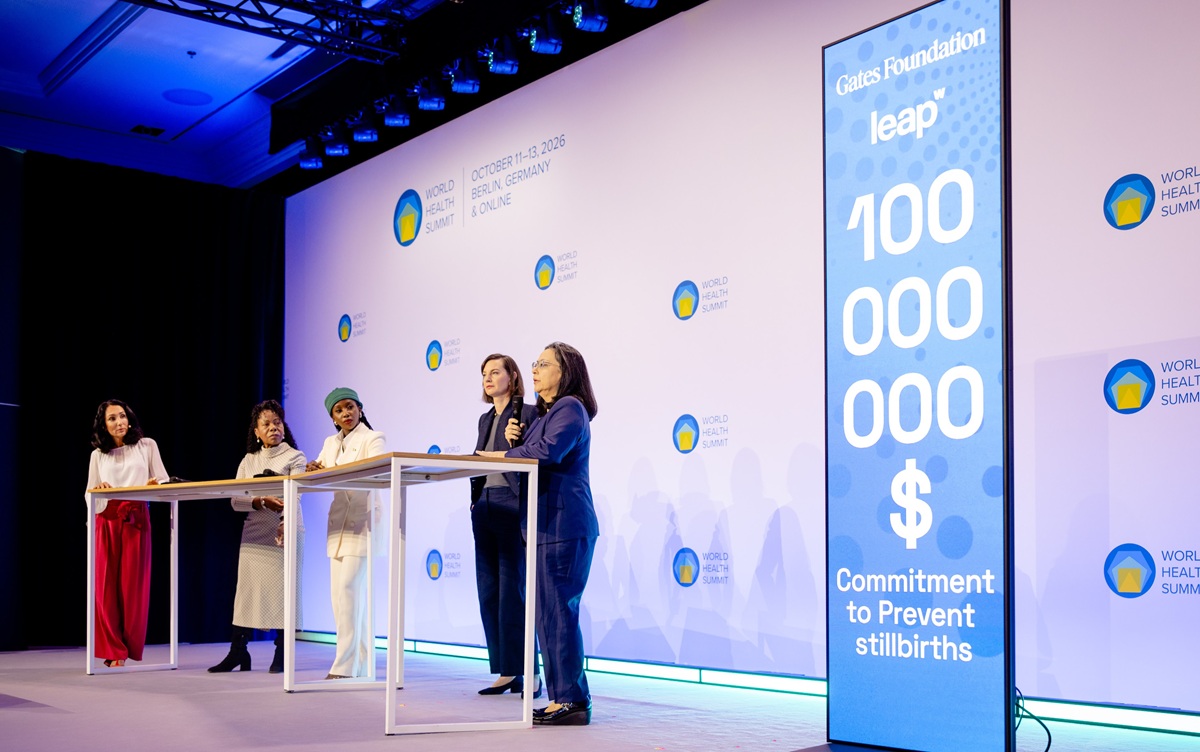
Wellcome Leap and the Gates Foundation will commit $100 million to Uzima, a new stillbirth prevention initiative that aims to show stillbirth rates can be cut in half within a decade across selected countries. The organizations announced the program Monday evening at the World Health Summit 2026 Signature Event in Berlin.
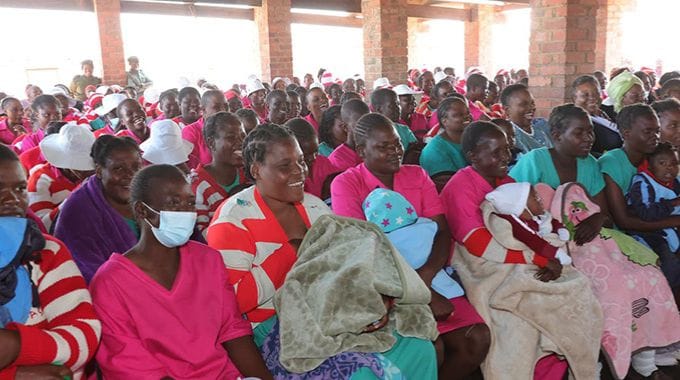
Nearly 2 million babies are stillborn every year worldwide, one every 17 seconds, and almost half of these losses occur in sub-Saharan Africa. Despite the scale of the challenge, stillbirth prevention remains underfunded and overlooked within maternal and newborn health, with significant gaps in research and innovation on the pregnancy complications that contribute to these losses.
The Gates Foundation and Wellcome Leap are each contributing $50 million during the program’s first three years to identify and validate promising innovations, beginning with partners in sub-Saharan Africa. Uzima will focus on tools that help families and health workers recognize risks earlier and respond to complications during pregnancy and childbirth, from AI-enabled ultrasound to sensors and technologies used during labor.
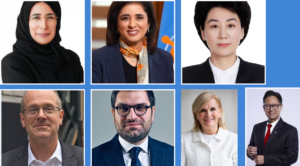
“As a pediatrician, I know how critical the moments surrounding birth are for babies and their families and how much is at stake when complications arise,” said Anita Zaidi, president of the Gender Equality Division at the Gates Foundation.
“We’re working toward a future where no mother, baby, or child dies from a preventable cause. That’s why we’re supporting Uzima: to give health workers better tools to recognize risks in pregnancy and act in time, so more families can welcome healthy babies into the world.”
Wellcome Leap and the Gates Foundation said additional partners and funding will be needed to expand approaches that prove effective. They are calling on investors, philanthropies, governments and other partners to join the effort, and are inviting ministers of health to help shape the program and explore opportunities for their countries to participate.
From crisis response to lasting health resilience
Beyond the announcement of Uzima, the World Health Summit 2026 Signature Event focused on how international cooperation, political leadership, and innovation can strengthen health systems in times of crisis. Leaders from government, multilateral institutions, civil society, and philanthropy discussed how to reach underserved populations, strengthen partnerships, and translate shared commitments into concrete action.
“Resilience means more than being prepared for the next crisis. It means building health systems and partnerships that can anticipate challenges, adapt when circumstances change, and continue to deliver for people who need them most. The purpose of the World Health Summit is to bring together different perspectives across sectors and help translate dialogue into action,” said Carsten Schicker, CEO of the World Health Summit.
Drawing on lessons from the global AIDS response, Winnie Byanyima, Executive Director of the Joint United Nations Programme on HIV/AIDS (UNAIDS), called for greater attention to the structural inequalities that shape health outcomes.
“The AIDS movement showed us that change is possible. If we want to move from crisis to resilience, we must stop merely managing the consequences of inequality and start dismantling the structures that produce it. Because resilience is not simply the ability to survive the next crisis. It is the power to prevent the next crisis from devastating the same people all over again,” said Winnie Byanyima.
Kwabena Mintah Akandoh, Minister of Health of Ghana, emphasized the responsibility of national governments amid declining international funding: “When external resources decline, our responsibility as government to our people should not also decline. It is our opportunity to step up.”