By Michael Gwarisa
When tragedy strikes, journalists are often among the first people to arrive.
They enter accident scenes while bodies are still being recovered. They interview parents who have just lost children. They speak to survivors of sexual violence, report on murder and suicide, document disease outbreaks and travel to communities devastated by floods, cyclones and other disasters.
Then they return to the newsroom and are expected to write. The deadline rarely waits for the trauma to settle. This raises an uncomfortable question for Zimbabwe’s media industry: where do journalists go for psychosocial support after repeatedly covering traumatic events?
There is growing evidence that journalism can be psychologically hazardous. A 2025 systematic review of the literature of 88 studies examining journalists covering war, conflict and terrorism found elevated levels of post-traumatic stress disorder (PTSD), depression and anxiety among journalists. The review also highlighted gaps in institutional support for journalists exposed to traumatic events.
The problem, however, is not limited to war correspondents. Journalists routinely cover death, accidents, crime, gender-based violence, suicide, disasters, disease outbreaks and displacement. Repeated exposure to such events can take a psychological toll, even when an individual assignment does not appear extraordinary.
Research during the COVID-19 pandemic found that journalists covering the crisis experienced significant psychological distress and PTSD symptoms. Another study involving journalists working for two international news organisations found clinically significant symptoms of anxiety in 26 percent of participants, depression in 20.5 percent and PTSD in 9.6 percent.
These figures should force newsrooms to rethink what constitutes occupational safety.
Zimbabwean journalists are not immune
Zimbabwean journalists face many of the same hazards. They cover fatal road traffic accidents, child abuse, gender-based violence, murder, suicide, disease outbreaks and climate-related disasters. They have reported from communities devastated by Cyclone Idai and spent months covering the COVID-19 pandemic.
During the pandemic, journalists in Zimbabwe experienced illness, fatalities, fear of infection and job insecurity. Research examining African newsrooms found that some Zimbabwean journalists were traumatised by seeing colleagues become infected and die while working.
The trauma does not necessarily end when the story is published. A reporter can continue thinking about a victim long after leaving the scene. They may experience disturbed sleep, anxiety, emotional numbness, intrusive memories or simply become increasingly detached from the suffering they are expected to document.
There is also a danger in normalising this. Journalism has traditionally celebrated toughness. The reporter who works through the night, attends every difficult assignment and never complains is often regarded as exceptionally committed. But there is a difference between resilience and silence.
Resilience does not mean pretending that disturbing experiences have no effect. It means having the resources and support necessary to recover and continue functioning.
The problem is bigger than PTSD
The psychological wellbeing of journalists should not be reduced to whether someone develops PTSD. Journalists operate in an environment where multiple pressures can accumulate: long working hours, deadlines, inadequate staffing, job insecurity, online abuse, threats, low remuneration and repeated exposure to disturbing material.
The World Health Organization and International Labour Organization recognise excessive workloads, long hours, limited workplace support, violence, harassment and job insecurity among psychosocial risks that can affect mental health at work.
For journalists, several of these risks can occur simultaneously. A reporter may spend the day covering a fatal accident, work late into the night filing the story, wake up to online abuse over the article and then be sent to another traumatic assignment the following morning. Telling such a journalist to “be resilient” is not an adequate occupational-health strategy.
Some support exists, but is it enough?
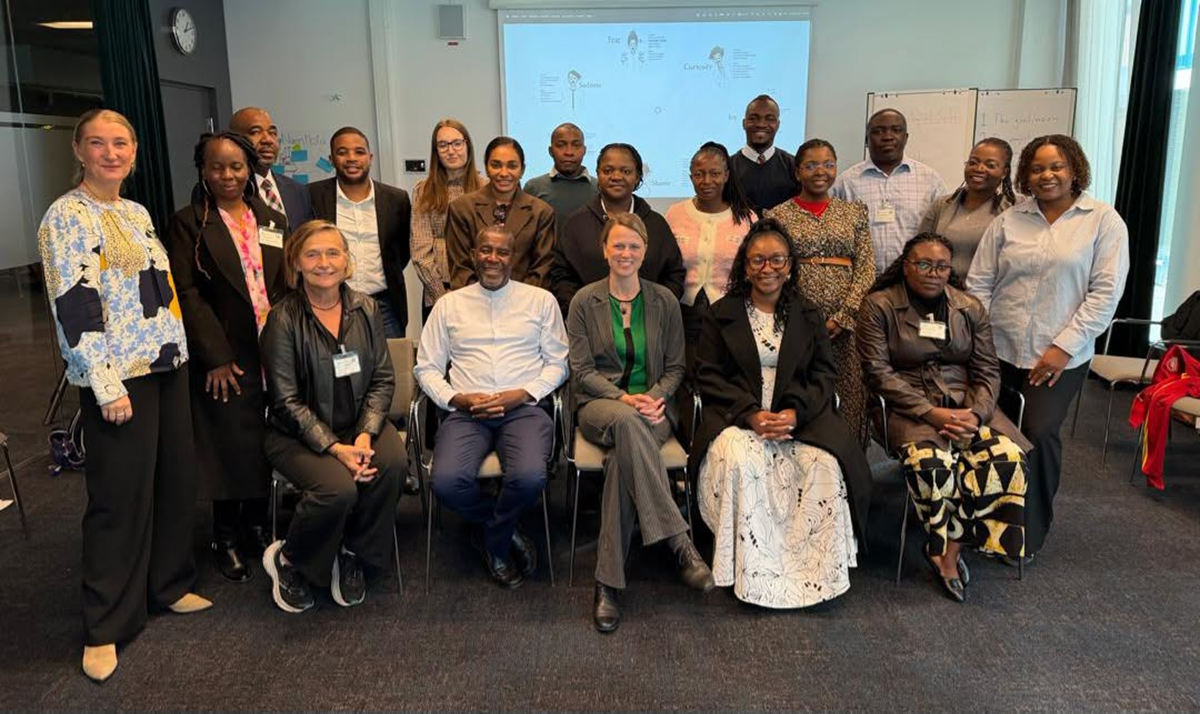
It would be unfair to claim that Zimbabwe has never had initiatives addressing journalist wellbeing. In 2023, WAN-IFRA brought journalists from four Zimbabwean media houses together for training covering physical safety, digital security and psychosocial wellbeing. The organisation reported that, for many participants, it was their first comprehensive safety training.
That intervention was important. But a workshop is not the same as a functioning mental-health support system. Journalists need to know what happens after trauma occurs. Who do they call? Where can they receive confidential counselling? Who pays? Can a freelancer access the same support as a staff reporter? and can a journalist speak to a therapist without worrying that what they disclose will reach their editor or employer?
These are practical questions.
A September 2026 Reuters Institute report examining journalists in Zimbabwe, Kenya, Uganda and Nigeria illustrates the challenge. Zimbabwean investigative journalist Linda Mujuru described the emotional burden of difficult reporting and the isolation experienced by freelancers. Concerns about confidentiality when counselling is provided through an employer were also raised.
That is an important warning. Support cannot be effective if journalists do not trust the system providing it.
Zimbabwe needs a newsroom duty of care
The solution does not necessarily require expensive wellness departments in every media house. It requires a change in thinking. The WHO recommends that employers address mental health through organisational interventions that identify and reduce psychosocial risks while also providing appropriate individual support.
Zimbabwean newsrooms could begin with relatively simple measures. First, every newsroom should have a trauma protocol. Before sending journalists to particularly disturbing assignments, editors should consider the psychological risks involved. After the assignment, there should be a confidential check-in. This should not mean forcing journalists to talk about their feelings. It should mean creating an environment where seeking professional help is normal. Second, counselling must be genuinely confidential.
If journalists fear that what they tell a counsellor will reach their editors, colleagues or employer, many will simply avoid seeking help. News organisations should consider using independent external professionals rather than making journalists dependent on therapists directly employed by their organisations.
Third, freelancers and independent journalists must be included. The changing media economy means many journalists no longer have the protection of permanent employment. Yet freelancers may be exposed to exactly the same traumatic assignments as staff reporters. A national or industry-wide support mechanism could therefore provide access based on professional need rather than employment status.
A national trauma-support fund could help
Zimbabwe’s media industry should consider establishing a Journalists’ Mental Health and Trauma Support Fund. The initiative could bring together media organisations, journalism bodies, training institutions, development partners and philanthropic organisations to subsidise confidential counselling, trauma-informed training and emergency psychological support.
The fund should, however, not another short-term donor project. It should be designed as a sustainable professional support mechanism. Journalism schools could also play a role by incorporating trauma literacy into journalism training.
Journalists should learn about secondary trauma, burnout, psychological first aid and the warning signs that indicate when professional assistance may be necessary. They should also learn how to interview traumatised people without unnecessarily increasing their distress.
Editors need training too. A newsroom cannot have an effective mental-health policy if managers do not know how to respond when a journalist says an assignment has affected them. The response should not be: “We all cover difficult stories. Get on with it.” It should be: “What support do you need?”
We cannot keep documenting society’s pain while ignoring our own
Journalists are trusted to tell society what happened after tragedy.
- But who asks the journalist what happened to them?
- Who checks on the reporter who spent hours interviewing a mother whose child had died?
- Who checks on the photographer who spent an afternoon photographing bodies at a road accident?
- Who checks on the journalist who repeatedly interviews survivors of sexual violence?
- Who checks on the freelancer who does all of this without an employee-assistance programme to return to?
Zimbabwe does not need to wait for a journalist to suffer a breakdown before taking this issue seriously. A practical first step would be to conduct a national survey of journalists to establish how many have experienced traumatic assignments, what psychological effects they have experienced, whether they have sought help and what prevented them from doing so. The findings could then inform a national framework for journalist wellbeing. The question is no longer whether journalists encounter trauma. They do.