By Michael Gwarisa
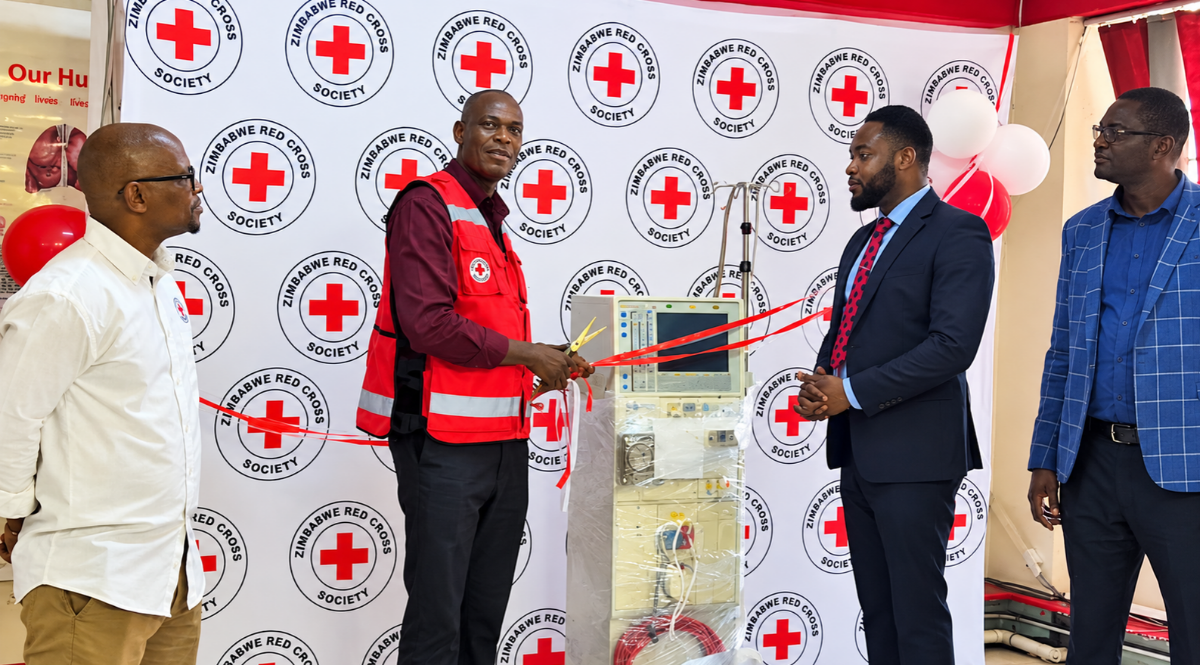
Patients seeking dialysis at the Zimbabwe Red Cross Society (ZRSC) clinic in Harare could soon have greater access to treatment following the donation of a new dialysis machine, which will also support plans to provide services to patients living with Hepatitis B.
The machine, donated by haemodialysis equipment and consumables supplier DSXmed, is expected to increase the clinic’s capacity to provide more than 100 dialysis sessions a month.
The ZRCS renal unit, located on Cameroon Street in Harare’s central business district, currently provides dialysis to about 30 to 40 patients using four machines, according to the clinic.
Speaking at the official handover, ZRCS Secretary General Elias Hwenga said the donation came at a time when access to healthcare remained a major challenge for many Zimbabweans, particularly those unable to afford life-sustaining treatment.
“Kidney failure places an emotional, physical and enormous financial burden on patients and their families. A dialysis machine represents hope, dignity and an opportunity to save lives,” Hwenga said.
He said the donation demonstrated the importance of partnerships between humanitarian organisations and the private sector in responding to gaps in healthcare provision.
“Government and the humanitarian sector cannot address all the needs of vulnerable communities alone. We need business, individuals and other stakeholders to complement these efforts through resources, expertise and innovative solutions,” Hwenga said.
The donation comes against a backdrop of growing demand for renal replacement therapy in Zimbabwe.
Data show that Zimbabwe records approximately 1,000 new cases of kidney failure, or end-stage renal disease, per million people annually. Of these, only about 700 patients are estimated to gain dialysis access, leaving a substantial treatment gap.
The cost of dialysis remains one of the major barriers to treatment. A single session at a private facility can cost between US$200 and US$300, according to information presented at the handover.
The Red Cross renal unit provides dialysis at lower and more affordable rates, making it an important source of treatment for patients who may otherwise struggle to access care.
Dr Panganayi Darikai, Director of DSXmed, said the donation was driven by a desire to improve access to life-sustaining treatment, but was also personal following the death of his mother from kidney failure.
“Her loss strengthened my passion for humanitarian work and my desire to contribute towards improving the lives of others. I believe we can turn personal pain into purpose by helping those facing similar challenges,” Darikai said.
He said dialysis services required significant investment beyond the machines themselves, including consumables, maintenance, specialised personnel, water and electricity. Darikai also urged journalists to play a greater role in raising awareness about kidney disease, promoting accurate health information and encouraging people to seek medical attention early.
At the clinic, the additional machine is expected to ease pressure on existing equipment and strengthen the unit’s ability to respond to demand.
General Practitioner in Charge of the Red Cross Clinic, Dr Joel Tapi, said the machine would create room for the clinic to increase the number of dialysis sessions it provides.
“With our current workload of 90 to 100 sessions per month, additional equipment gives us greater scope to improve scheduling and respond to patients’ needs,” Tapi said.
He said the equipment would also support the clinic’s plans to accommodate patients with Hepatitis B who require dialysis. Patients living with Hepatitis B can face additional challenges in accessing dialysis because of the infection prevention and control measures required when providing renal care.
“The ambition is to ensure that patients can access the treatment they need without compromising the quality of care,” Tapi said.
He said the donated machine would strengthen the clinic’s capacity to accommodate such patients, subject to appropriate equipment arrangements, dedicated infection prevention and control procedures, and compliance with applicable clinical standards.
The clinic said the machine would also help strengthen continuity of service delivery. Dialysis is not a once-off intervention. Patients whose kidneys can no longer adequately perform their functions often require regular sessions to remove waste products and excess fluid from the body and maintain their health.
This places sustained pressure on healthcare facilities, which require specialised equipment, trained personnel and reliable supplies, while patients and their families face the recurring financial burden associated with treatment. ZRCS said it would ensure that the donated machine is used for its intended purpose, while stressing the importance of technical support, trained personnel and regular maintenance to keep the equipment operational.