
By Kuda Pembere
Zimbabwe recorded an estimated 2,483 new breast cancer cases among women in 2024, making it the country’s second most common cancer among women after cervical cancer, which accounted for an estimated 5,194 cases, according to the International Agency for Research on Cancer’s Global Cancer Observatory.
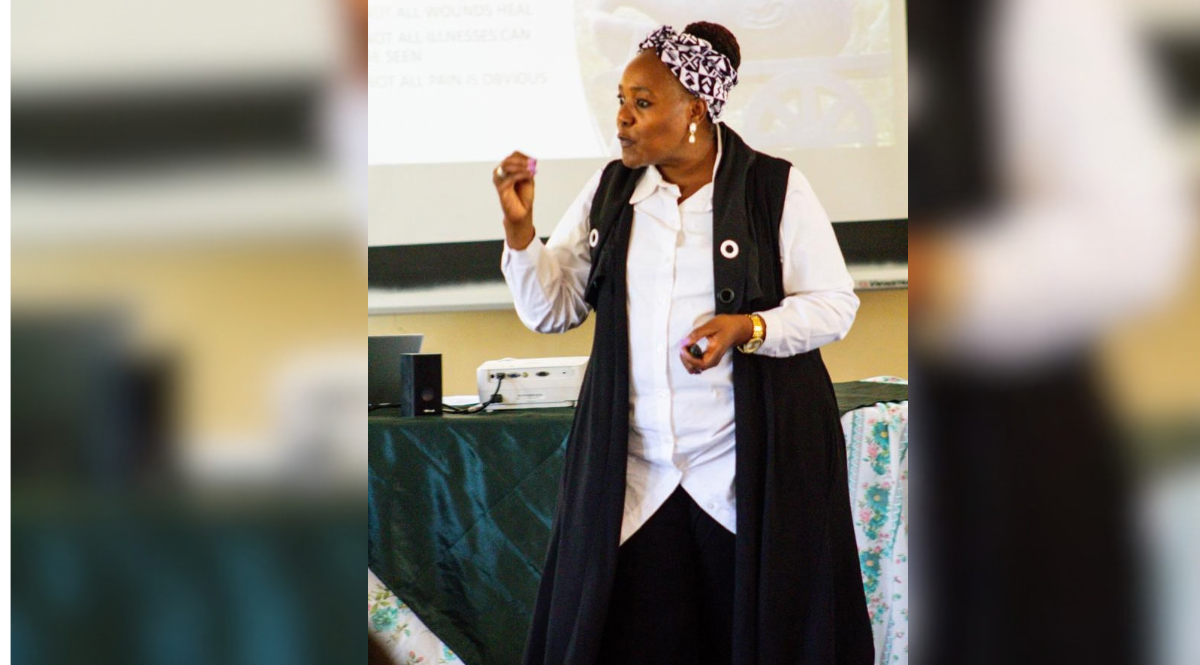
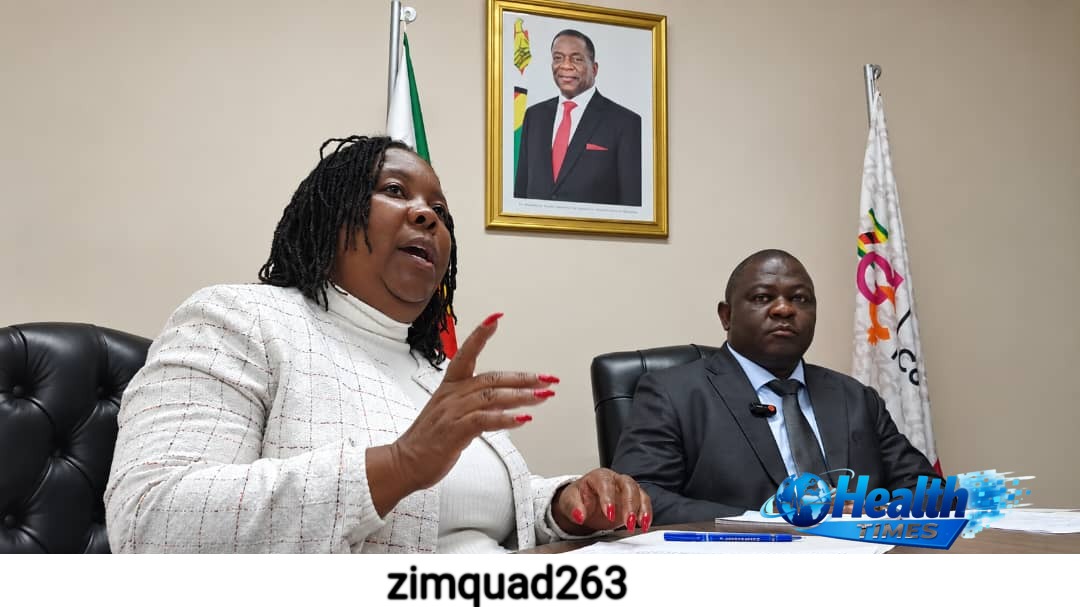
The figures have renewed calls for greater breast cancer awareness and early diagnosis, with oncologist Dr Nomsa Tsikayi raising concern over cases among Zimbabwean women in their 20s and 30s.
Women were also urged to seek medical advice about breast changes and avoid relying on herbal remedies or so-called spiritual healers instead of professional medical assessment and treatment.
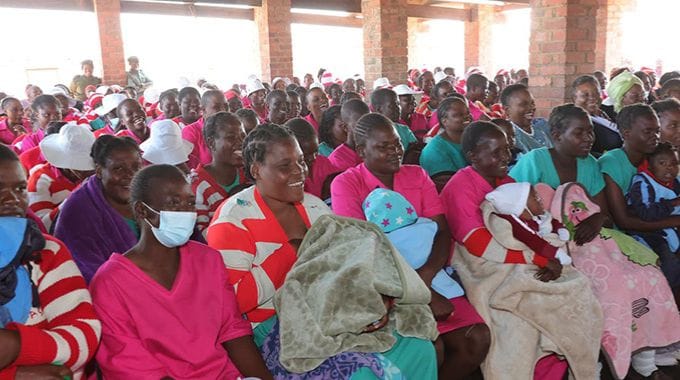
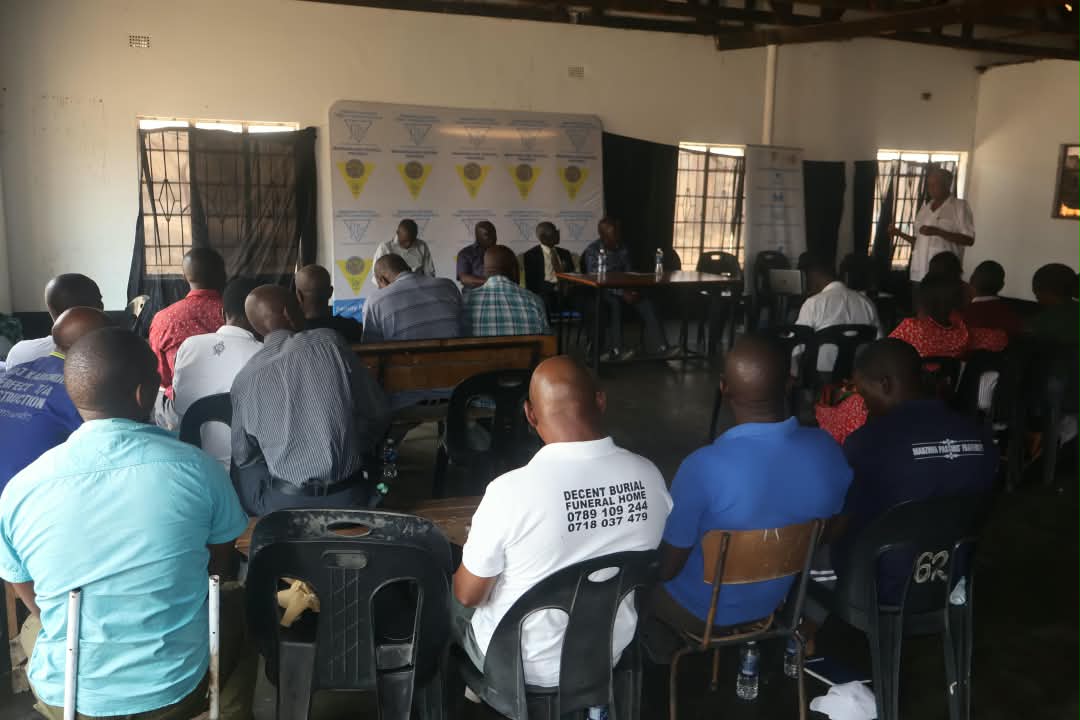
The calls were made during a breast cancer awareness meeting organised by Second Chance Trust at Well Woman Clinic in Highlands over the weekend.
Tsikayi said breast cancer risk generally increased with age, but younger women also needed to be aware of the disease.
“One in eight women in their lifetime may develop breast cancer. As we get older, the risk also increases, particularly in our 60s, 70s and 80s,” she said.
However, she said doctors were also seeing breast cancer among younger women, although the reasons for this required further investigation.
“Nowadays, that alertness and awareness have to extend to our girls in their 20s,” she said.
Tsikayi said many women presented at health facilities when the disease was already advanced, highlighting the need for greater awareness and timely medical assessment.
She identified several factors associated with breast cancer risk, including family history, early menstruation, late menopause, breast density, alcohol consumption, smoking and obesity.
Women who begin menstruating before the age of 12 may face an increased risk, while those who experience menopause after 55 may have prolonged exposure to oestrogen, a hormone associated with some breast cancers.
Tsikayi also highlighted breast density as a risk factor, explaining that women with dense breast tissue generally have a higher risk of breast cancer than those with predominantly fatty breast tissue.
“You just need to know your breast density,” she said.
She said obesity was another concern, particularly among postmenopausal women, because fat tissue can produce oestrogen.
“When we become obese, the source of oestrogen then comes from our fat cells. So, when we have more fat cells than you need, you’re now producing more oestrogen than you actually need,” she said.
Tsikayi encouraged women to maintain a healthy weight, eat well and exercise regularly.
“Exercise has also been found to reduce risk. We’re recommending 45 minutes of exercise three to five times a week. We’re talking about 150 minutes a week,” she said.
She said walking, going to the gym, gardening and household activities could contribute to physical activity.
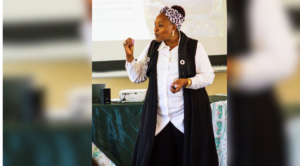
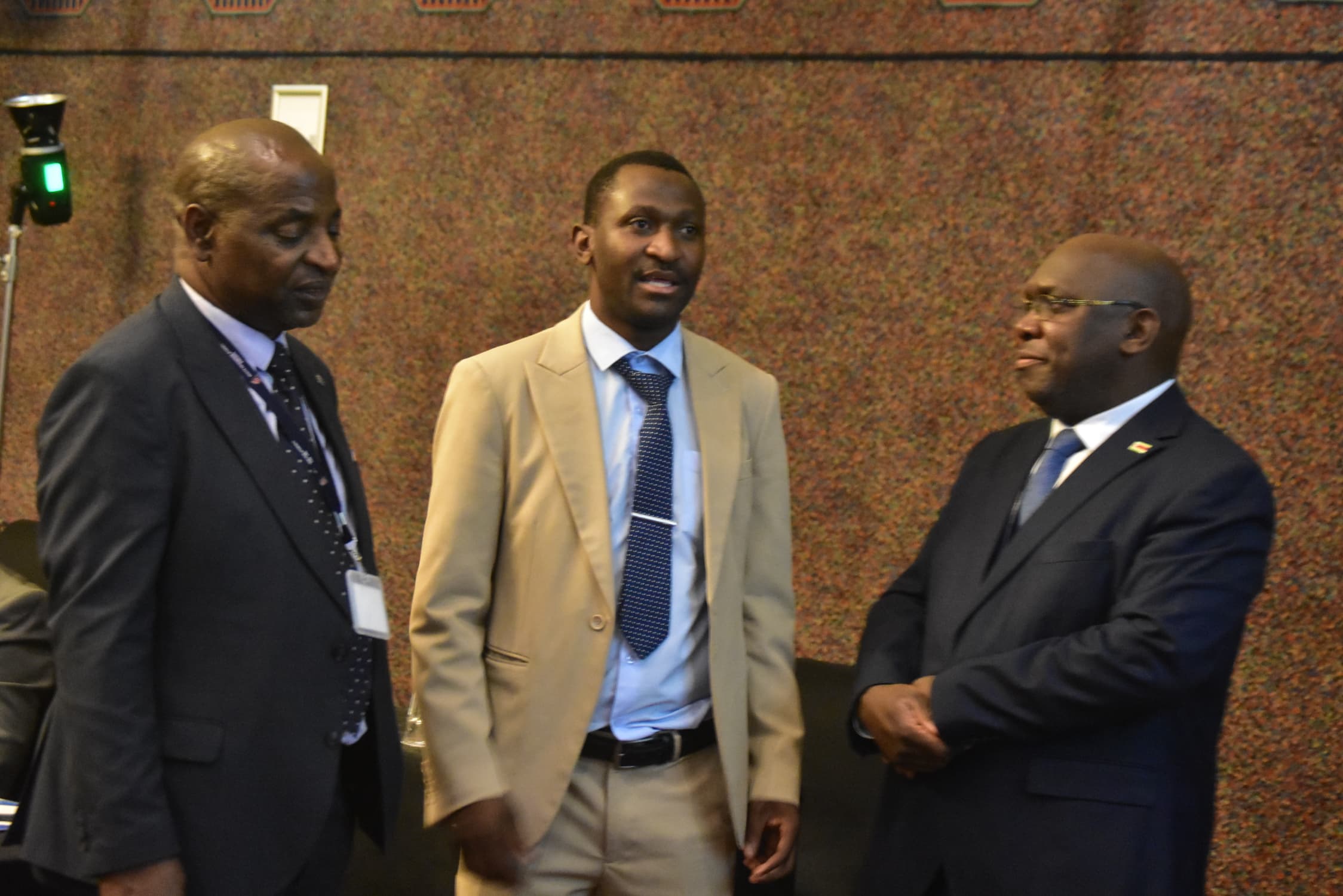
Keynote speaker Tendai Hlupo-Mamvura said addressing breast cancer required cooperation between the Government, private sector and civil society.
She said the Government alone could not shoulder the responsibility of tackling the disease and called for more organisations to support awareness and screening services.
Hlupo-Mamvura said fear of a possible diagnosis discouraged some women from seeking screening.
“Most of us do not do the screening, no matter how many times people tell us to check. What helps is to have a centre where people can go and someone can actually do the screening,” she said.
She urged women not to let fear prevent them from seeking medical attention.
“If the diagnosis is there, fear is not going to make it go away, unfortunately. But taking some kind of action is what will help you and give you a fighting chance to survive,” she said.
Second Chance founder Keretia Chikowore said the event was intended to celebrate survivors, remember those who had died from breast cancer and promote early diagnosis and emotional support for affected families.
“Our theme, ‘Every Story Is Unique – My Life, My Way,’ reminds us that every cancer journey is different and deserves to be heard, respected, and supported,” she said.
Chikowore said the gathering also aimed to encourage people facing cancer and remind them that they did not have to go through the experience alone.