By Kuda Pembere
Zimbabwe has been commended for involving communities in climate-related research and demonstrating political commitment to building climate-resilient health systems.
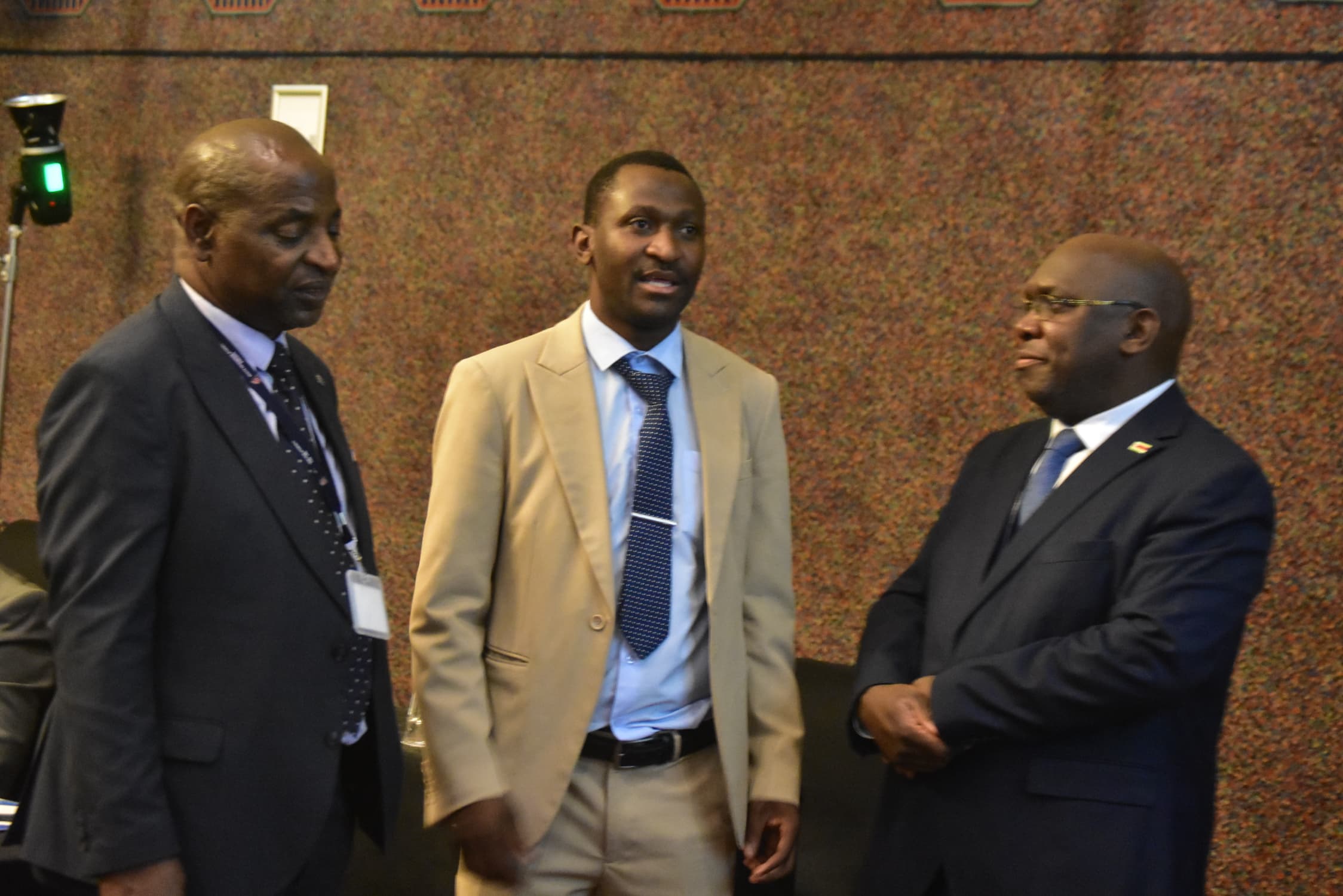
Wellcome Trust Technology Lead for Data for Science and Health Dr Felipe Colon-Gonzalez said collaboration between government, academia and communities was helping translate research findings into policies and interventions to protect public health.
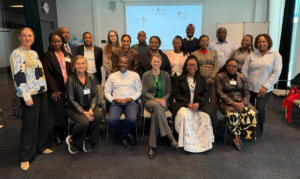
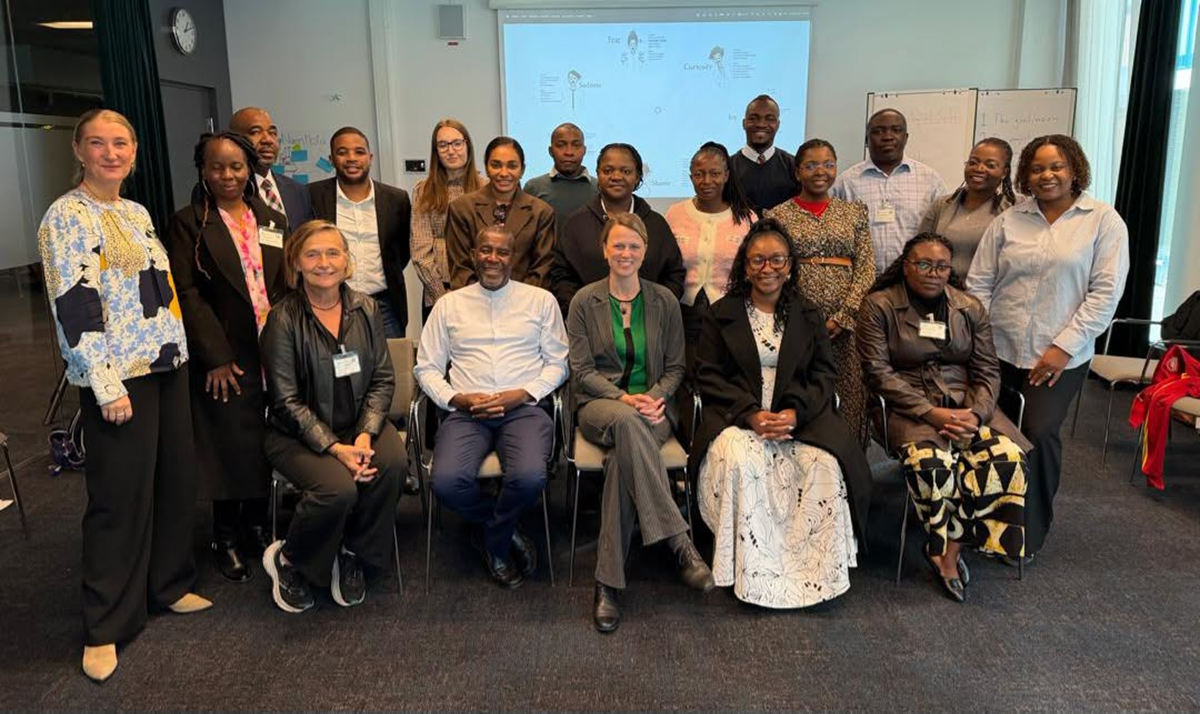
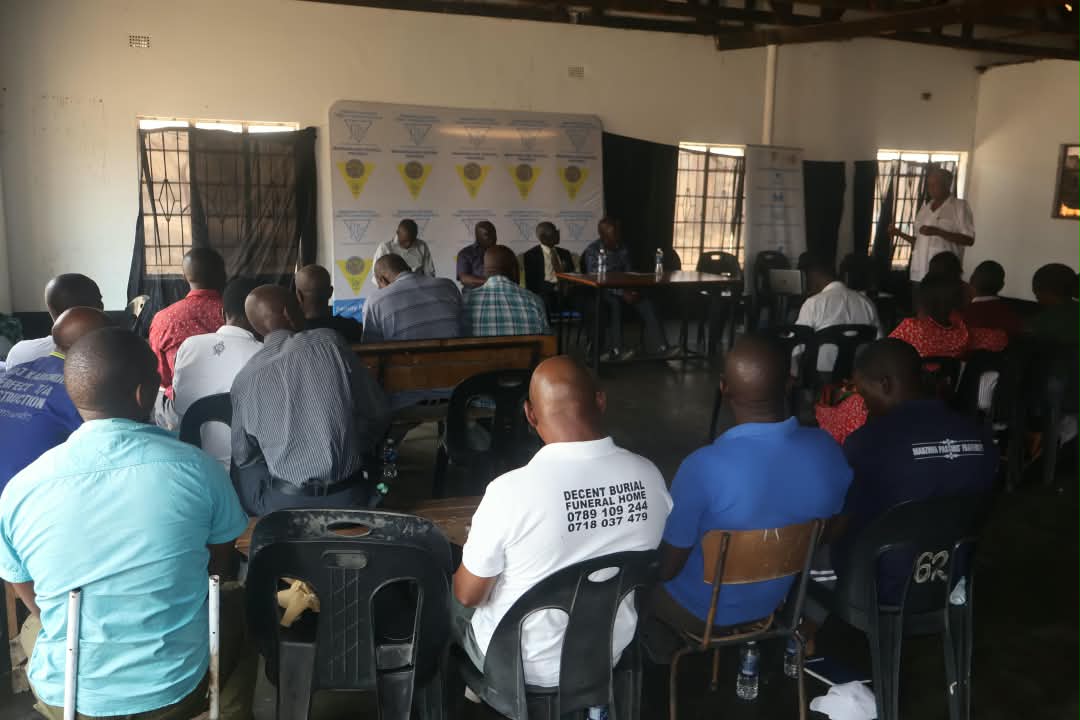
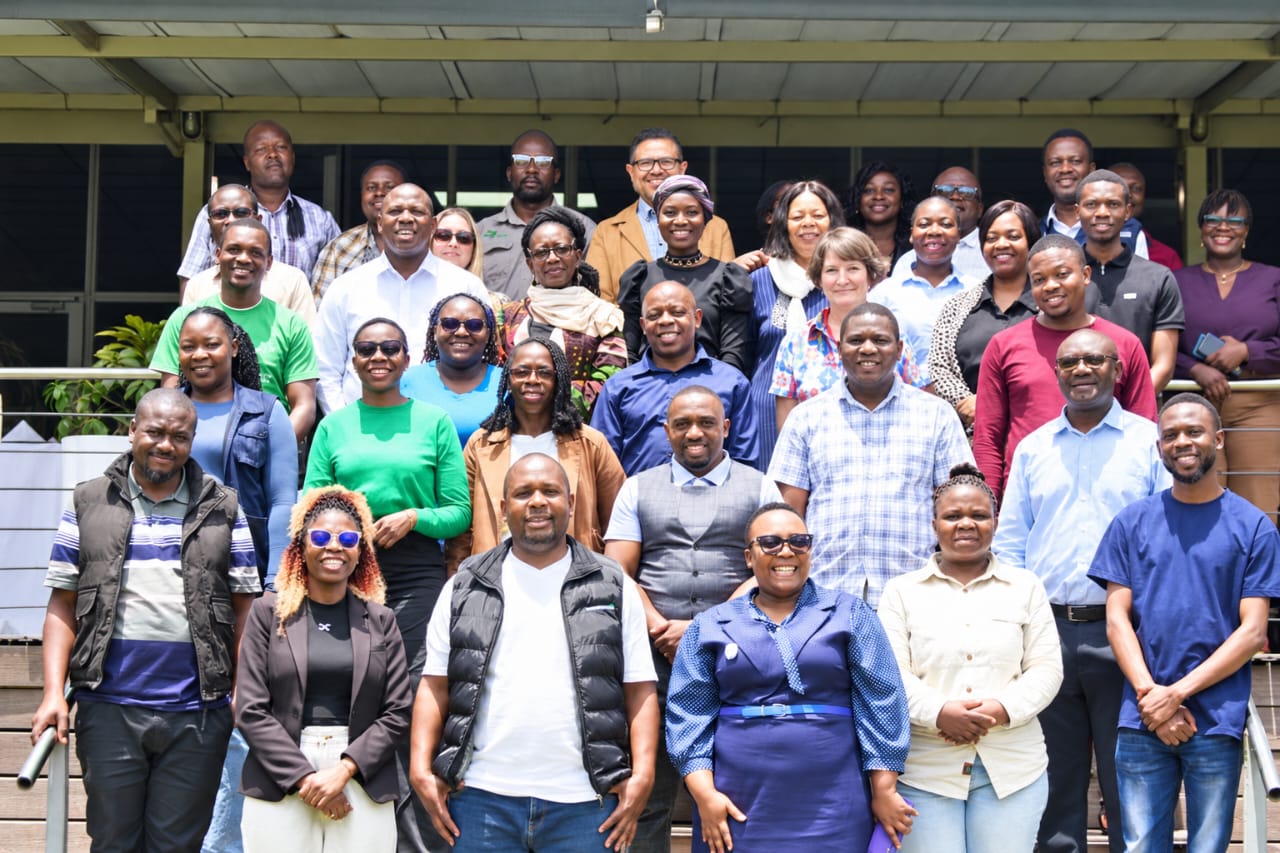
He was speaking on the sidelines of a stakeholder co-design workshop on ecosystem-based adaptation priorities in Zimbabwe, convened by the Centre for Sexual Health and HIV/AIDS Research Zimbabwe (CeSHHAR) which is spearheading the Climate- Health research on pregnancy and heat in Mount Darwin.
The commendation comes as Zimbabwe develops a National Health Adaptation Plan (HNAP) to guide the health sector’s response to climate change.
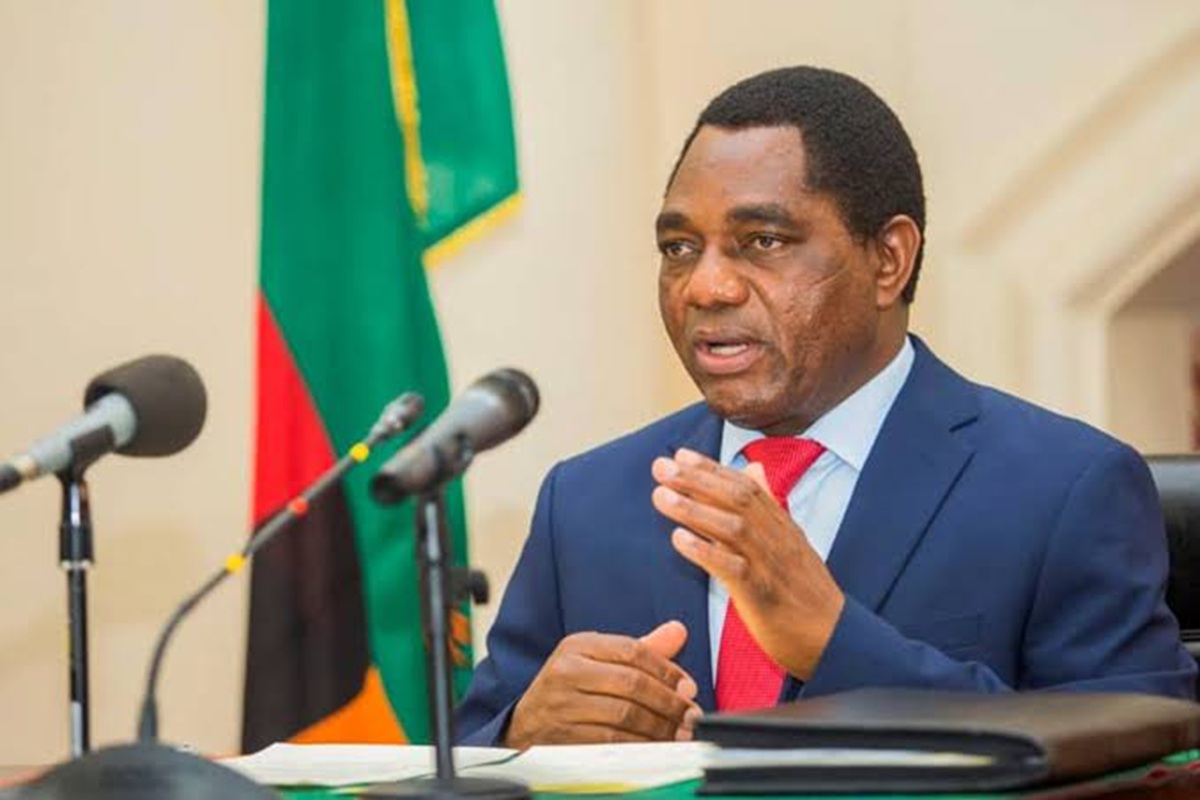
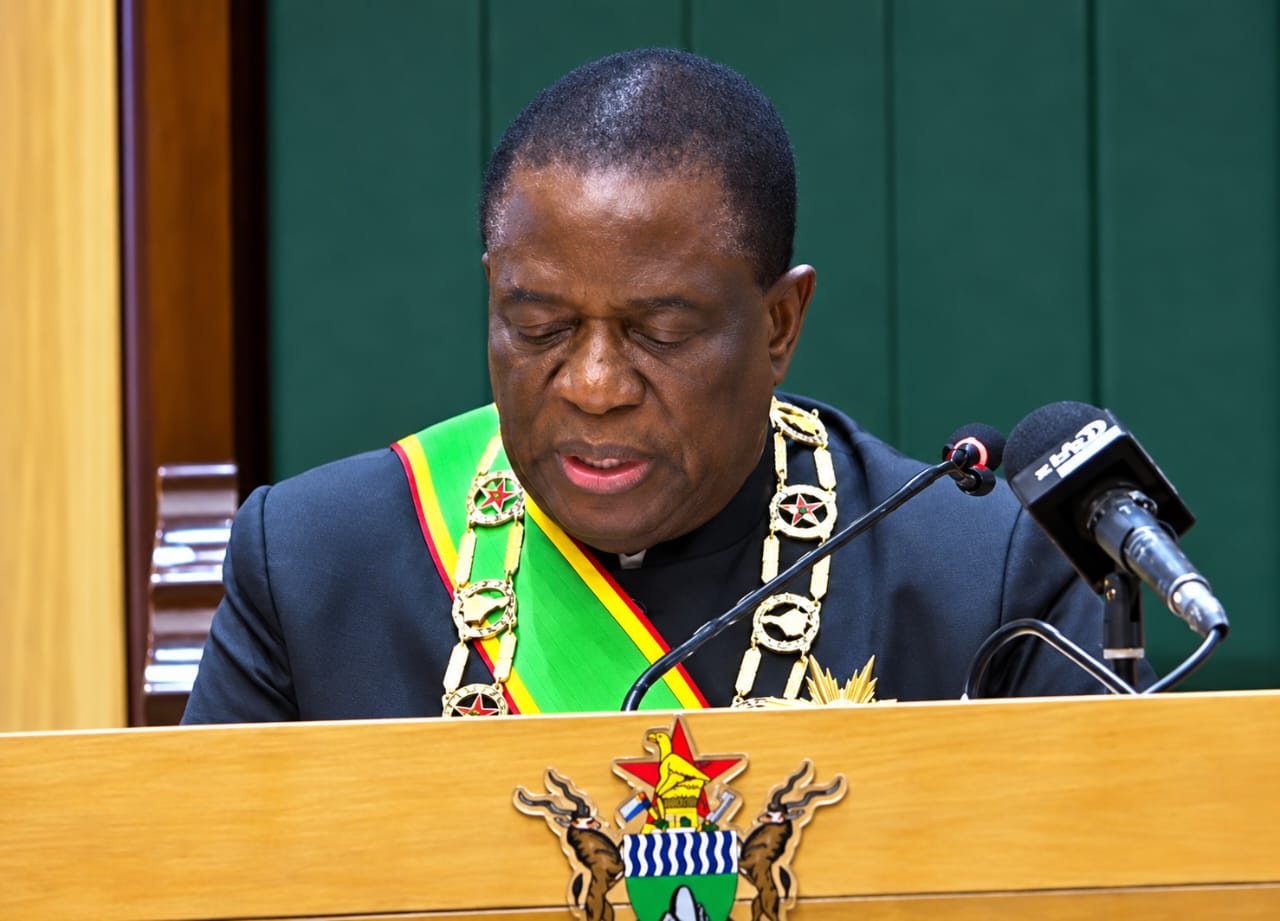
The initiative also follows the Harare Declaration, endorsed during the first Climate and Health Africa Conference in 2024, where African health ministers committed to strengthening climate resilience in health systems and addressing climate change’s health impacts. President Emmerson Mnangagwa delivered the keynote address at the conference.
Colon said Wellcome’s climate and health programme sought to put health at the centre of climate action, including international negotiations, policymaking and the development of decision-support tools.
“One of the important strategic programmes that we have at Wellcome is called Climate and Health, and in that programme what we want to do is to put health at the heart of climate action,” he said.
He lauded Zimbabwe’s approach to research, particularly the links between academic institutions, government departments and communities.
“One of the things that we have really liked about the work that is happening here in Zimbabwe is that there is a strong connection between academia, government and the local communities, where local communities have provided quite a lot of input for guiding the work that is being developed in academia,” Colon said.
Colon said research often failed to influence policy when academics did not adequately engage government and communities.
“Some of the decision-support tools that are generated in academia are never translated or never adopted by policy and decision-makers,” he said.
Colon said Zimbabwe had made progress in connecting research with practical interventions, crediting work led by Dr Fortunate Machingura and her team.
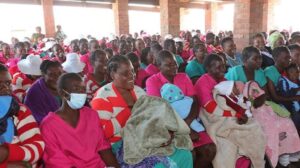
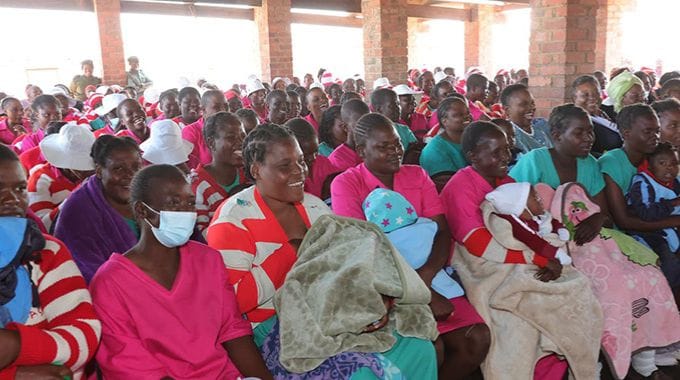
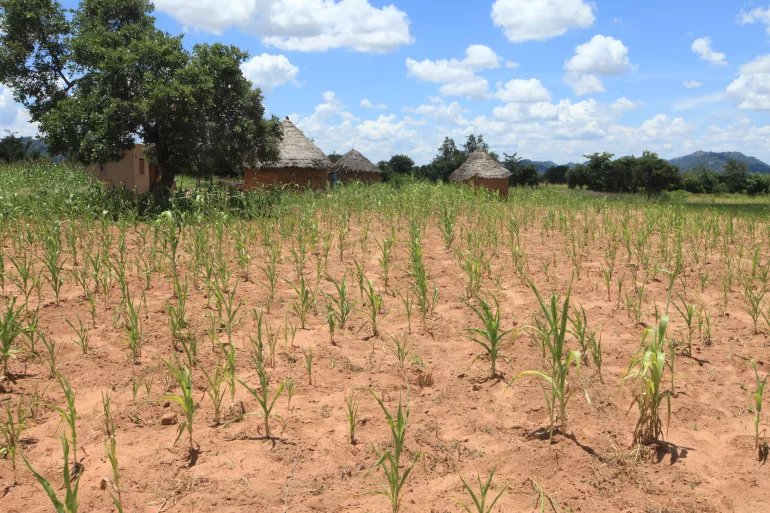
He singled out initiatives in Mount Darwin, where radio messages have been used to help reduce communities’ vulnerability to climate-related risks.
“I am particularly impressed by the work that they have done with rural communities in Mount Darwin, where, by using simple technologies like radio messages, they have reduced the vulnerability of people,” he said.
Using climate information to protect health
With Zimbabwe preparing for a potentially strong El Niño, Colon said climate forecasts could give authorities time to anticipate health risks and direct resources where they were most needed.
He said El Niño could influence weather patterns globally, but forecasts issued months in advance offered an opportunity to prepare.
“One of the advantages of El Niño is that it can be forecast well ahead in time, so you have a predictability of about three to four months,” he said.
“If we can use that climate information to predict what the impacts down the road might be, we can save lives, we can save resources, we can save time.”
Colon said the goal was to turn weather and climate data into what he described as climate and health intelligence, helping decision-makers identify interventions to protect lives and resources.
Integrating climate and health data
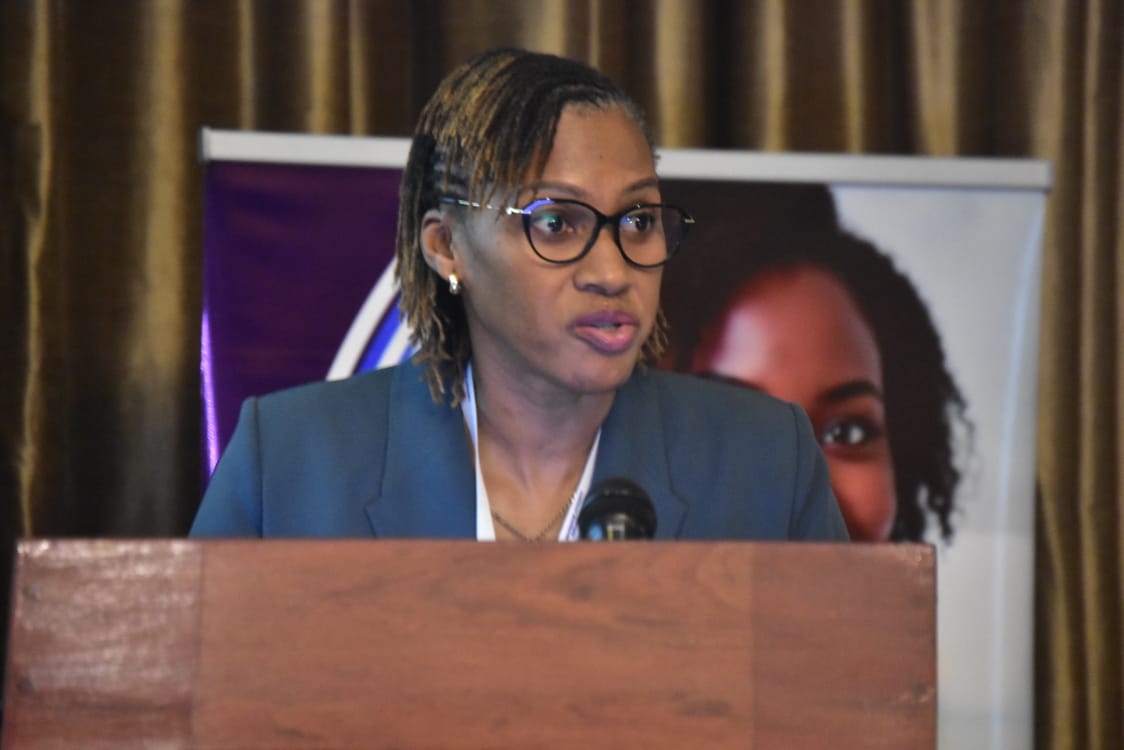
CeSHHAR Director for Climate and Health and Zimbabwe Country Director for the Southern Africa Consortium on Climate and Health Science and Policy Centres, Dr Fortunate Machingura, said the workshop brought together government ministries, local authorities, non-governmental organisations and United Nations agencies to discuss findings from climate and health research.
She said the research sought to identify practical, locally driven solutions to protect communities from climate change’s health effects.
Machingura warned that Zimbabwe could face increased risks from extreme heat and heavy rainfall over the next eight to 18 months during the El Niño period.
She said researchers were working with the health and environment sectors to integrate climate and weather information into existing health information systems, helping authorities better understand climate-related health risks.
Machingura said one challenge was determining how much of a particular health outcome could be attributed specifically to climate change rather than other contributing factors.
“We know that climate has devastating impacts on specific health outcomes, but we don’t know what proportion of those health outcomes would have happened anyway because of other confounders or confounding reasons,” she said.
She said policymakers cannot wait years for research to establish every link between climate change and health outcomes before acting.
“Decision-makers want tools that are easy for them to use, that they use on a day-to-day basis, and not new parallel systems, but tools that are embedded in systems that they’re already using,” Machingura said.
She said researchers were collaborating with the Ministry of Health and the Ministry of Environment to combine climate indicators with health data through a climate information service.
The initiative is intended to link the District Health Information Software 2 (DHIS2), used for health data management, with climate information from the environment sector.
Machingura said the integration could help authorities incorporate climate information into systems they already use to monitor health services and plan interventions.
She said collaboration between the health and environment sectors was important because climate-related disasters often place additional pressure on health facilities.
“When people get ill and people get sick, they don’t go to the Ministry of Climate. They go to Health, to the clinic, to the hospital,” Machingura said.
“So it is our health facilities that are often burdened when the disaster strikes. These two sectors are now working together with us as researchers, coming with evidence and information to help them build tools. And this work is led by the Ministry.”
Climate threats to health services
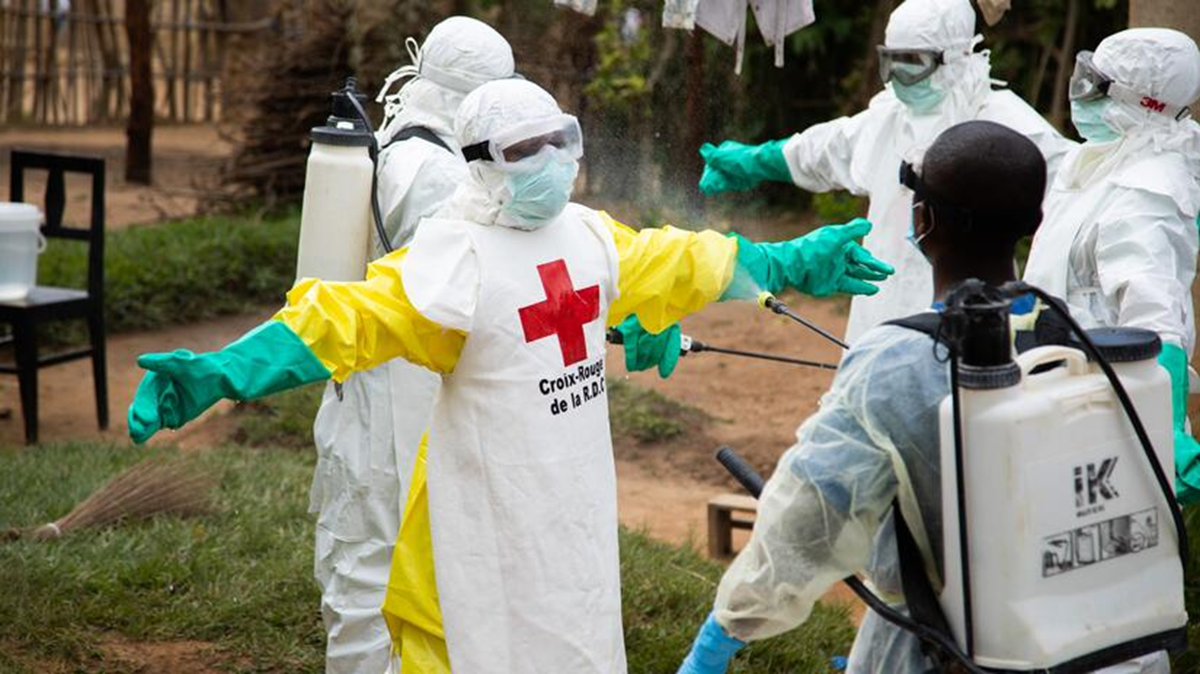
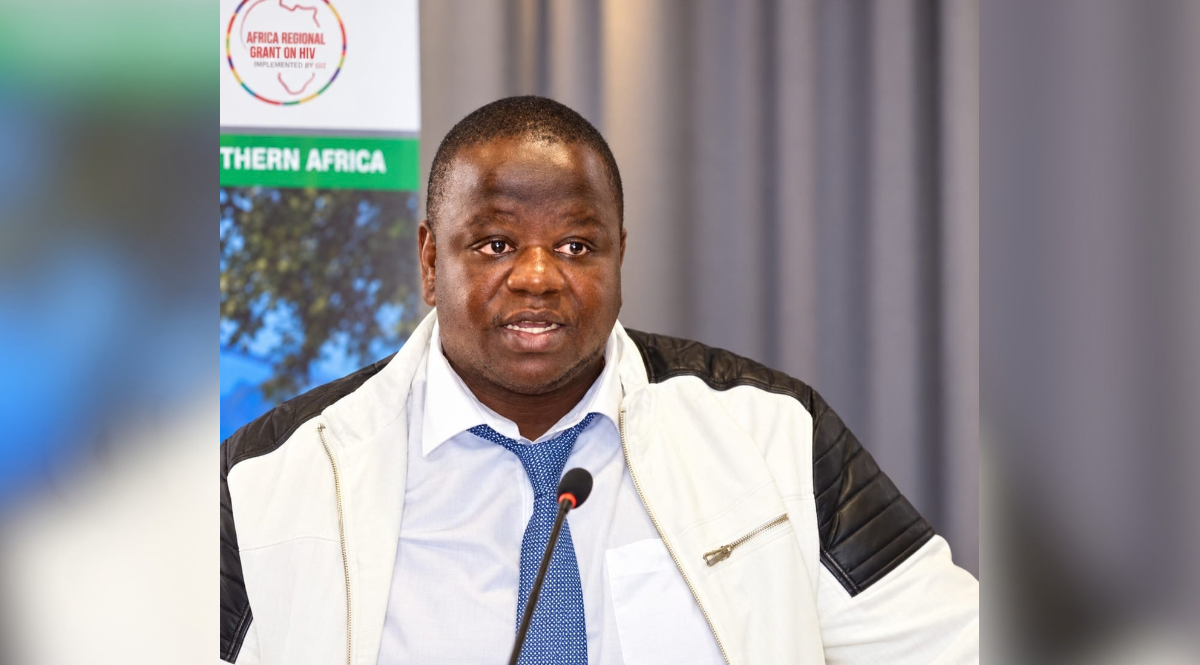
Dr Benjamin Mandewere, Principal Climate Change Adaptation Officer in the Ministry of Environment, Climate and Wildlife, said climate change threatened public health, citing cyclones and floods that damage health facilities and disrupt access to medicines, particularly in remote areas.
He said improving energy supplies at rural health facilities could strengthen service delivery and make remote postings more attractive to health workers, helping address staffing challenges in underserved communities.