By Michael Gwarisa
In pursuit of the figure 8 or hourglass shape, women, especially social media influencers across the world, are increasingly undergoing procedures to remove the floating ribs, also known as the 11th and 12th ribs. The trend is widely discussed online and is often linked to dramatic overnight transformations.
In Zimbabwe, although nothing has been proven, names such as Madam Boss and Luminitsa have previously circulated on social media debates, with some users speculating that certain influencers may have experimented with extreme body modification trends. These conversations highlight how the global craze has influenced local perceptions of beauty and body image.
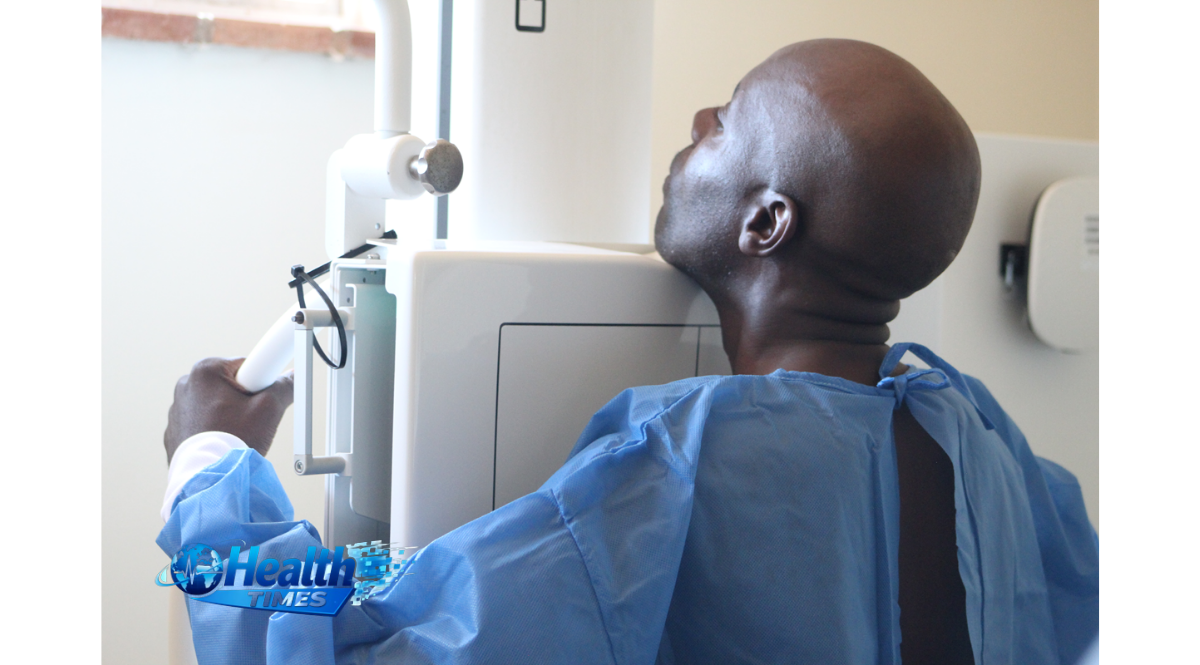
However, a 2024 cross-sectional study published in Multidisciplinary Respiratory Medicine showed that removal of the 11th and 12th floating ribs for cosmetic reasons can adversely affect lung function. The researchers explained that floating ribs contribute to the structural integrity of the chest during breathing, so removing them can disrupt how the chest expands and contracts.
According to the study, these ribs play a subtle but critical role in the mechanics of breathing. Although they do not attach to the sternum like the upper ribs, they anchor key muscles that stabilise the lower thoracic cage. This stability allows the chest wall to expand and contract efficiently during inhalation and exhalation.
The researchers found that surgically removing these ribs alters the shape, rigidity, and movement patterns of the lower chest. Even though the procedure is performed outside the true ribcage that houses the heart and lungs, the loss of these supports can lead to reduced chest wall compliance, increased breathing effort, altered diaphragm movement caused by changes in muscular attachments, lower lung capacity measurements during deep inhalation, and potential long-term issues such as chronic discomfort, reduced stamina, and a higher risk of respiratory complications.
The study emphasises that floating ribs are not simply aesthetic appendages but part of a complex system that protects vital organs while maintaining the biomechanical integrity needed for normal respiration. Disrupting this arrangement for cosmetic reasons, even when performed by experienced surgeons, can therefore have unintended functional effects.