By Kuda Pembere
Stakeholders in Zimbabwe’s healthcare sector have called for stronger collaboration among health insurers, healthcare providers, patients, regulators, government and law enforcement agencies to curb healthcare fraud, warning that fraudulent practices are draining resources meant for patient care.
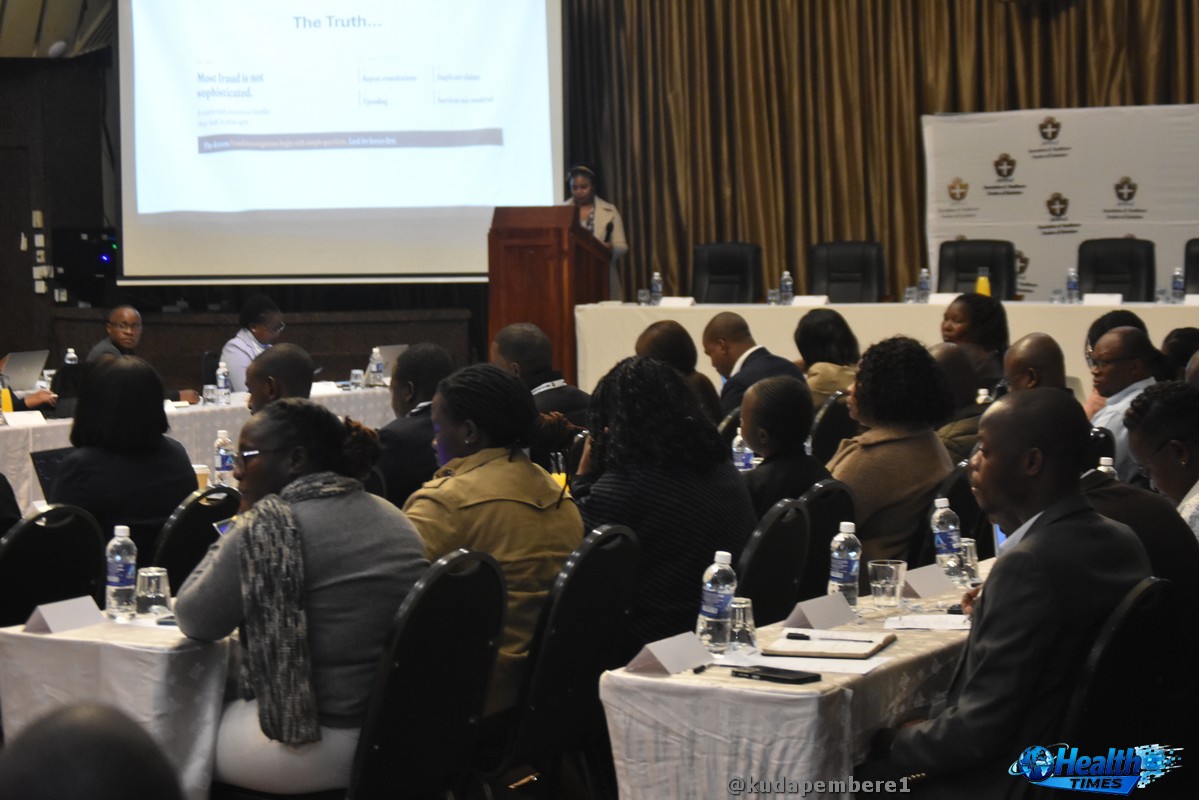
The call was made during the Association of Healthcare Funders of Zimbabwe (AHFoZ) Healthcare Fraud Indaba held recently in Harare. The meeting brought together regulators, private investigators, medical aid societies and healthcare providers to discuss strategies for tackling fraud within the country’s healthcare system.
Speaking at the indaba, AHFoZ representative Dr Onesai Chiguvare said combating healthcare fraud requires collective action from every stakeholder.
“Combatting fraud is a team effort, just like in a football team. It requires the medical aid societies who act as the goalkeepers, the healthcare providers are the defenders with the regulators in midfield while investigators are the strikers. In the stands are the patients and medical aid society members,” she said.
Dr Chiguvare outlined five of the most common forms of healthcare fraud currently being detected.
“We have seen repeat consultations. This is where the same member receives the same diagnosis from the same provider over multiple visits, week after week. The signal is a visit frequency anomaly.
“Then there is unbundling, where service providers charge separately for services that, clinically and contractually, should fall under one consultation. The signal is line-item proliferation.
“We also see excessive prescribing, where treatment volumes drift well beyond clinical necessity and beyond peer-group norms. The signal is an outlier compared to the peer cohort.
“Another common trend is ghost patients. Claims are submitted and paid for services that were never provided, and in some cases the patient does not even exist. The signal is failed member verification.
“We also encounter collusion, where the provider and the member work together. It is the hardest pattern to detect because both parties remain silent. The signal here is relational rather than transactional,” she said.
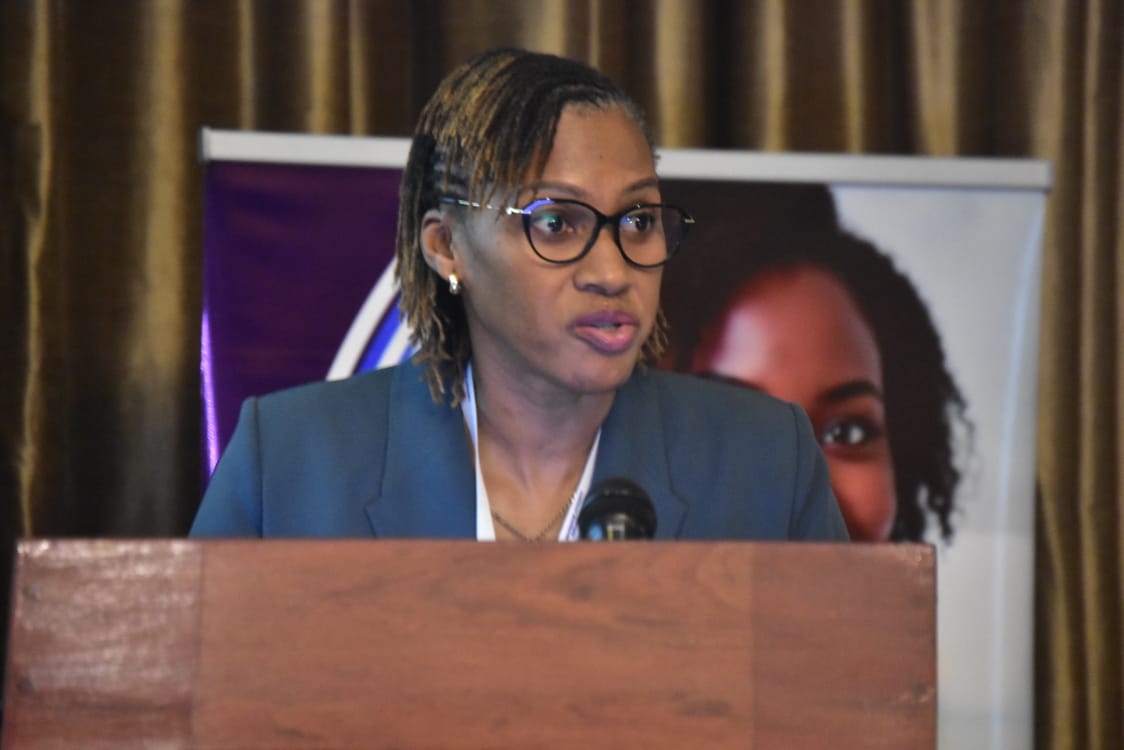
HealthPoint chief financial officer Hope Chibanda said healthcare fraud has far-reaching consequences for patients, healthcare funders, regulators and the broader economy.
“Every dollar lost to fraud is a dollar unavailable for patient care,” she said.
Chibanda said healthcare fraud takes both visible and hidden forms.
“Visible problems include false claims, upcoding and duplicate billing. Hidden problems include collusion, abuse, waste, poor governance and the erosion of trust,” she said.
She said medical aid societies, hospitals, doctors, laboratories, pharmacies, patients, regulators, police and technology partners must work together to tackle the problem.
“Working in silos defeats the fight against healthcare fraud. Fraud flourishes where information stops,” Chibanda said.
She urged stakeholders to move beyond discussions and implement practical measures.
“Collaboration alone is not enough. We should move from meetings and committees to action. Action means shared intelligence, joint investigations, analytics, accountability and enforcement. Collaboration without action merely documents the problem,” she said.
According to AHFoZ, Zimbabwe recorded an estimated 1,577 healthcare fraud cases in 2024, particularly within the private healthcare sector. As a result, 13 healthcare service providers and medical practitioners were blacklisted and barred from providing services under medical aid schemes.
The association estimates that healthcare funders lose more than US$500,000 every quarter to fraudulent claims linked to organised fraud within the health sector.